

Introduction
In the complex realm of real estate investment, syndication has emerged as a powerful strategy that allows multiple investors to pool their resources for larger property acquisitions. However, navigating the legal landscape of real estate syndication requires meticulous planning and a comprehensive understanding of regulations. This article aims to provide a clear and concise set of guidelines for legally structuring your real estate syndication. By adhering to these principles, you can not only safeguard your investment but also ensure compliance with applicable laws, thereby fostering trust and transparency among your investors. Whether you are a seasoned investor or a newcomer to the field, these guidelines will serve as a valuable resource in establishing a robust legal framework for your syndication endeavor.
Table of Contents
- Understanding the Legal Framework for Real Estate Syndications
- Identifying the Appropriate Business Structures for Syndication
- Navigating Regulatory Compliance and Investor Protections
- Establishing Clear Agreements and Roles Among Syndication Participants
- Closing Remarks
Understanding the Legal Framework for Real Estate Syndications
Real estate syndications operate within a complex legal framework designed to protect both investors and sponsors. Understanding this framework begins with familiarizing oneself with applicable federal and state securities laws. Syndications typically involve raising capital through securities offerings, meaning that the syndication may be subject to Regulation D, particularly Rules 506(b) or 506(c). These regulations facilitate private placements while ensuring proper disclosures are made, minimizing the risks of legal repercussions.
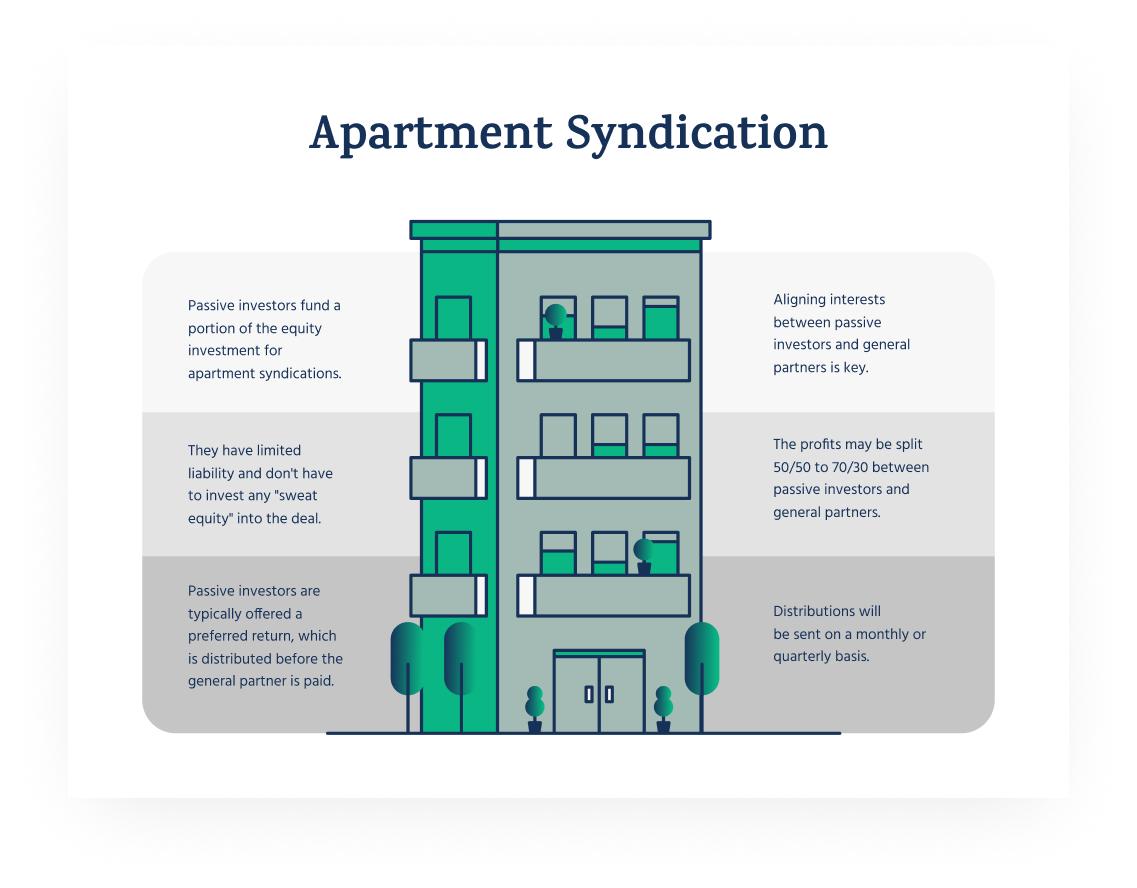
Additionally, it is crucial to establish a well-structured operating agreement that outlines the rights and responsibilities of all parties involved, along with the financial arrangements. The agreement should address aspects such as distribution of profits, management fees, and exit strategies. A detailed, clear structure helps prevent conflicts and aligns the interests of both investors and sponsors. Here are some key points to consider:
- Compliance with local laws: Each state has its own regulations that may impact the syndication.
- Investor qualifications: Ensure that investors meet necessary qualifications to participate.
- Disclosure documents: Prepare an offering memorandum to inform potential investors.
| Legal Aspect | Importance |
|---|---|
| Regulation D Compliance | Reduces risk of SEC enforcement actions |
| Operating Agreement | Clarifies roles and financial obligations |
| Investor Disclosures | Ensures transparency and informed decision-making |
Identifying the Appropriate Business Structures for Syndication
When structuring a real estate syndication, choosing the right business entity is vital to ensure compliance with legal requirements and tax efficiency. Common structures include the following:
- Limited Liability Company (LLC): A flexible structure that protects personal assets while allowing pass-through taxation.
- S Corporation: Offers limited liability and avoids double taxation, but has strict ownership requirements.
- C Corporation: Suitable for larger syndications, allowing for unlimited shareholders but subject to double taxation.
- Limited Partnership (LP): Comprises general partners who manage the business and limited partners who contribute capital but have limited liability.
Each structure has unique advantages and considerations, making it essential to evaluate them based on factors such as the number of investors, desired level of management involvement, and financing needs. Below is a brief comparison to guide your decision:
| Structure | Liability Protection | Tax Treatment | Investor Restrictions |
|---|---|---|---|
| LLC | Yes | Pass-Through | No |
| S Corporation | Yes | Pass-Through | Limited to 100 Shareholders |
| C Corporation | Yes | Double Taxation | No Limit |
| Limited Partnership | Yes (General Partners Only) | Pass-Through | No |
Navigating Regulatory Compliance and Investor Protections
In the complex landscape of real estate syndication, understanding the framework of regulatory compliance is paramount. Syndicators must navigate a variety of federal and state laws to ensure their offerings are both compliant and attractive to potential investors. Key considerations include:
- Securities Regulations: Compliance with the Securities Act of 1933 and the regulations set forth by the SEC is critical. Syndicators often rely on exemptions such as Regulation D to avoid the exhaustive registration process.
- State-Level Compliance: Each state has its own set of rules regarding real estate syndications, which can include licensing requirements and specific disclosures to investors.
- Tax Considerations: Understanding the tax implications for both the syndicator and investors is essential. Opportunities such as 1031 exchanges or utilizing REIT structures can be advantageous.
Investor protection is equally important. It ensures a robust relationship between syndicators and their investors, fostering trust and encouraging future participation. To solidify this protection, syndicators should consider implementing:
- Clear Offering Documents: Providing detailed private placement memorandums (PPMs) that outline risks, projected returns, and operational procedures can help manage investor expectations.
- Regular Communication: Establishing communication channels ensures investors remain informed of their investment’s status and any changes that may arise during the syndication process.
- Independent Audits: Engaging third-party audits can add an extra layer of credibility and transparency, reassuring investors about the handling of their funds.
Establishing Clear Agreements and Roles Among Syndication Participants
In any successful real estate syndication, it is paramount to create a framework that clearly outlines the roles and responsibilities of each participant involved. By doing so, confusion can be minimized and efficiency maximized. Key agreements should cover aspects such as investment obligations, decision-making authority, and profit-sharing arrangements. Establishing these parameters ensures that every member understands their contributions and the expectations set upon them. Additionally, transparent communication regarding any potential risks or conflicts of interest fosters a healthy operating environment.
It is also beneficial to document these agreements formally through written contracts. This not only serves as a reference point for all parties but also provides legal protection in the event of disputes. Consider using a table to summarize essential roles within the syndicate:
| Role | Responsibilities | Authority |
|---|---|---|
| General Partner | Oversee operations, manage assets | Final decision-making on property management |
| Limited Partner | Invest funds, receive returns | Limited authority; input on major decisions |
| Advisory Board | Provide strategic guidance | Consultative authority |
By laying down these foundational elements, syndicators can ensure a smoother process and heightened trust among participants, paving the way for a more fruitful and harmonious partnership.
Closing Remarks
effectively structuring your real estate syndication is not only vital for compliance with legal standards but also essential for optimizing investor relations and maximizing returns. By adhering to the guidelines outlined in this article, you can navigate the complex landscape of real estate syndication with confidence and clarity. As the industry continues to evolve, staying informed about regulatory changes and best practices will enable you to adapt and thrive. We encourage you to consult with legal and financial professionals to ensure that your syndication aligns with your individual goals and obligations. Thank you for taking the time to explore these important considerations, and we wish you success in your real estate endeavors.