

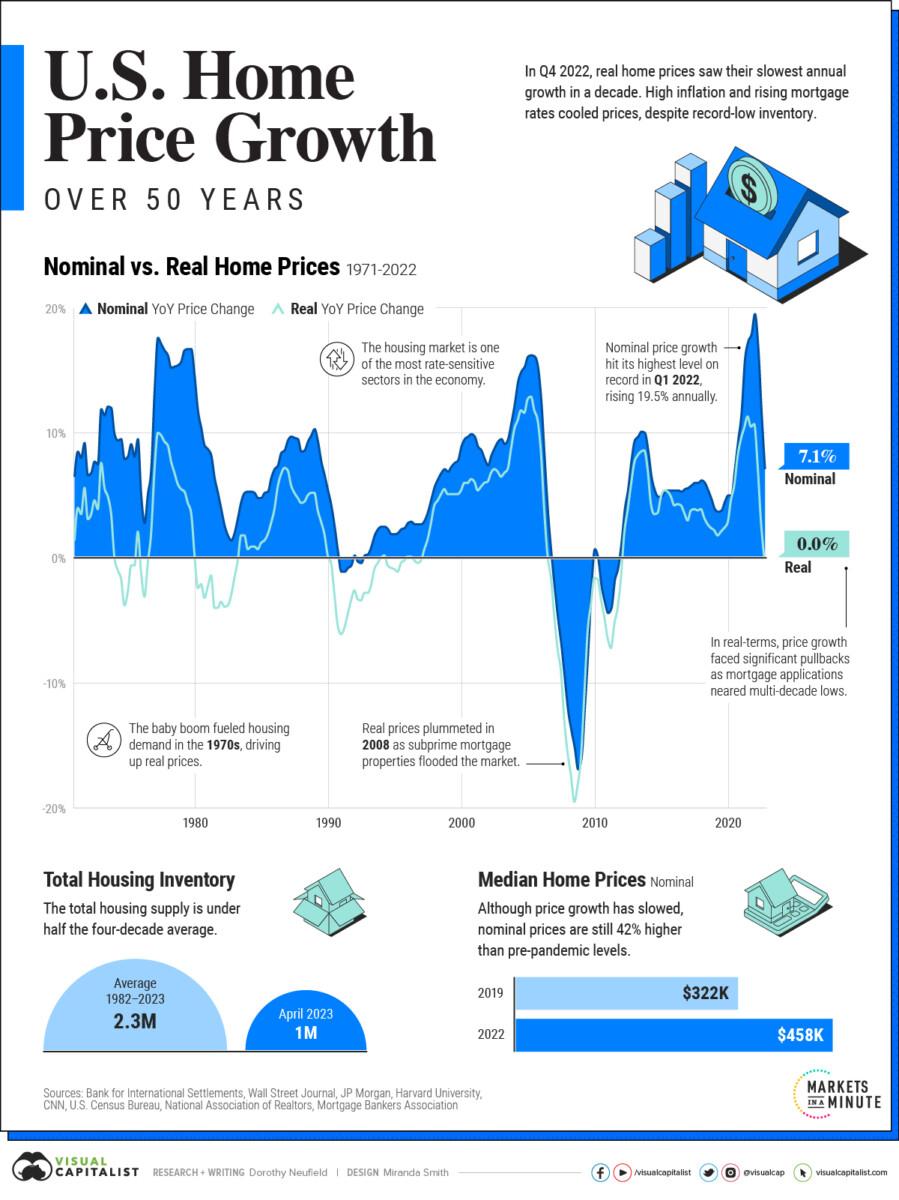
In recent years,the real estate market has experienced unprecedented fluctuations,with property prices reaching historic highs in many regions around the globe. For homeowners, prospective buyers, and investors alike, these rising prices can evoke a mix of excitement and concern. But what exactly is driving this surge in real estate values? In this article, we will delve into the key factors influencing the current market landscape. From shifting demographics and economic trends to the impact of government policies and technological advancements, understanding the complexities behind rising real estate prices is essential for making informed decisions in today’s dynamic surroundings. Whether your looking to buy, sell, or simply stay informed, gaining insight into these driving forces will help you navigate the ever-evolving world of real estate with confidence.
Table of Contents
- Exploring Economic Indicators Impacting Real Estate Price Trends
- Evaluating Supply and Demand Dynamics in Housing Markets
- Assessing the Role of Government Policies on Property Valuation
- Strategies for Navigating Rising Real Estate Prices for Buyers and Investors
- closing Remarks
Exploring Economic Indicators Impacting Real Estate Price Trends
Economic indicators play a crucial role in shaping real estate price trends, revealing insights that can aid both buyers and investors in making informed decisions. Key indicators include interest rates, employment levels, and economic growth rates. When interest rates are low,financing becomes cheaper,leading to increased demand for homes,subsequently driving prices upward. Conversely, high-interest rates can suppress buyer activity, creating downward pressure on prices. Additionally, robust job growth often correlates with stronger real estate markets, as more employed individuals can afford to invest in property. Monitoring these indicators helps stakeholders to forecast potential shifts in market dynamics.
Moreover, supply and demand dynamics also strongly influence real estate prices. Understanding local market inventory levels is essential; a scarcity of available homes combined with high buyer interest typically results in price escalations.To provide a clearer perspective, the table below illustrates the relationship between these economic indicators and their potential impact on real estate prices:
| Economic Indicator | Impact on Real estate Prices |
|---|---|
| Low Interest Rates | Increase in Prices |
| High Employment Rates | Increase in Prices |
| Strong Economic Growth | Increase in Prices |
| High Inventory Levels | Decrease in Prices |
understanding these economic indicators allows for a more strategic approach to navigating the real estate market. Whether you are a buyer looking for a home or an investor seeking opportunities, being aware of these factors can significantly enhance decision-making and investment success.
Evaluating Supply and Demand Dynamics in Housing Markets
In understanding the intricate workings of the housing market, evaluating the balance between supply and demand is crucial for grasping the ongoing surge in real estate prices. Key indicators of demand include population growth,job creation,and rising income levels. When consumers’ purchasing power increases or new employment opportunities emerge,demand for housing surges. Conversely,on the supply side,factors such as land availability,construction costs,and regulatory policies play notable roles. Limited land due to environmental constraints or lengthy permit processes can stifle new developments, exacerbating the imbalance when demand outstrips the available housing stock.
The interplay of these factors can lead to notable fluctuations in housing prices. As an example, in many urban areas, the demand for properties has escalated, driven by urban migration and changing lifestyle preferences. Simultaneously, construction has not kept pace due to challenges like labor shortages and increasing material costs. This dynamic can be summarized in the following table:
| Factor | Impact on Housing Prices |
|---|---|
| Population Growth | Increases demand for housing |
| Job Creation | Enhances purchasing power |
| Construction Costs | Restricts new supply |
| Regulatory Policies | Can delay or limit development |
These fundamental elements not only shape the current landscape but also set the groundwork for future price trajectories.Stakeholders must monitor these dynamics carefully, as shifts in either demand or supply can create significant ripples throughout the market. By keeping a finger on the pulse of these trends, investors, homebuyers, and policymakers can make informed decisions that align with the evolving housing ecosystem.
Assessing the Role of Government Policies on Property Valuation
Government policies play a pivotal role in shaping the landscape of real estate valuation. By implementing regulations and incentives,authorities can significantly influence market dynamics. Key factors include:
- Tax Incentives: Property tax reductions or credits can stimulate demand,driving prices up as buyers capitalize on lower costs.
- Interest Rates: Central banks influence borrowing costs; lower rates tend to increase property valuations by making mortgages more affordable.
- Zoning Laws: Changes in zoning regulations can either restrict or enable development, directly impacting supply and, consequently, property prices.
- Subsidies: Government aid for low-income housing can encourage investment, affecting overall property values in the surrounding area.
The direct correlation between government actions and property valuation is often illustrated through specific regional trends.As a notable example, the implementation of new infrastructure projects typically enhances property desirability. The following table highlights some recent policies across selected cities and their effects on real estate markets:
| City | Policy | Impact on Valuation |
|---|---|---|
| New York | Transit-Oriented Development Tax Incentives | Increased demand by 20% in nearby neighborhoods |
| Los Angeles | Affordable Housing Act | Average home prices rose by 15% |
| Chicago | Property Tax Freeze | Stabilized values during economic downturn |
Strategies for Navigating Rising Real Estate Prices for Buyers and Investors
As the real estate market continues to experience upward price pressure, both buyers and investors can adopt several strategic approaches to navigate this challenging landscape. First, it’s crucial to conduct thorough research to understand local market trends and identify emerging neighborhoods that may offer better value.Utilize tools like real estate analytics and local market reports to gauge pricing dynamics and seek properties that are underappreciated but poised for growth. Don’t hesitate to leverage the expertise of local real estate agents who can provide insight into areas with strong gratitude potential.
Additionally, exploring alternative financing options can significantly enhance your purchasing power. Consider strategies such as fixed-rate mortgages,which can offer stability against rising interest rates. You might also look into joint ventures or partnerships that allow for shared investment costs. Moreover, focusing on multi-family units or buy-and-hold strategies could provide better cash flow opportunities, enabling you to capitalize on rental income while waiting for property values to appreciate. Here’s a summary of effective strategies to consider:
| Strategy | Description |
|---|---|
| Research Emerging Markets | Identify neighborhoods with potential for appreciation. |
| Leverage Local Expertise | consult agents for insights on the market. |
| Consider Alternative Financing | Explore fixed-rate mortgages and partnerships. |
| Focus on Rental Income | invest in multi-family properties for steady revenue. |
Closing Remarks
As we conclude our exploration of the factors driving the rise in real estate prices, it’s clear that the dynamics at play are both complex and interdependent. From economic indicators like interest rates and employment rates to demographic shifts and urban development trends,each element contributes to the broader narrative of the housing market.
Understanding these factors is not just crucial for potential homebuyers and investors, but also for policymakers who aim to foster balanced growth and accessibility within our communities. As we navigate this evolving landscape, staying informed will empower you to make educated decisions.
Whether you’re contemplating your first home purchase, looking to diversify your investment portfolio, or simply trying to make sense of the market fluctuations, remember that knowledge is your greatest asset. We hope this article has provided you with valuable insights and a clearer perspective on the ongoing changes in the real estate sector.
Thank you for joining us on this journey. Stay tuned for more in-depth analyses and discussions that will equip you with the tools you need to thrive in today’s real estate market. Happy house hunting!