

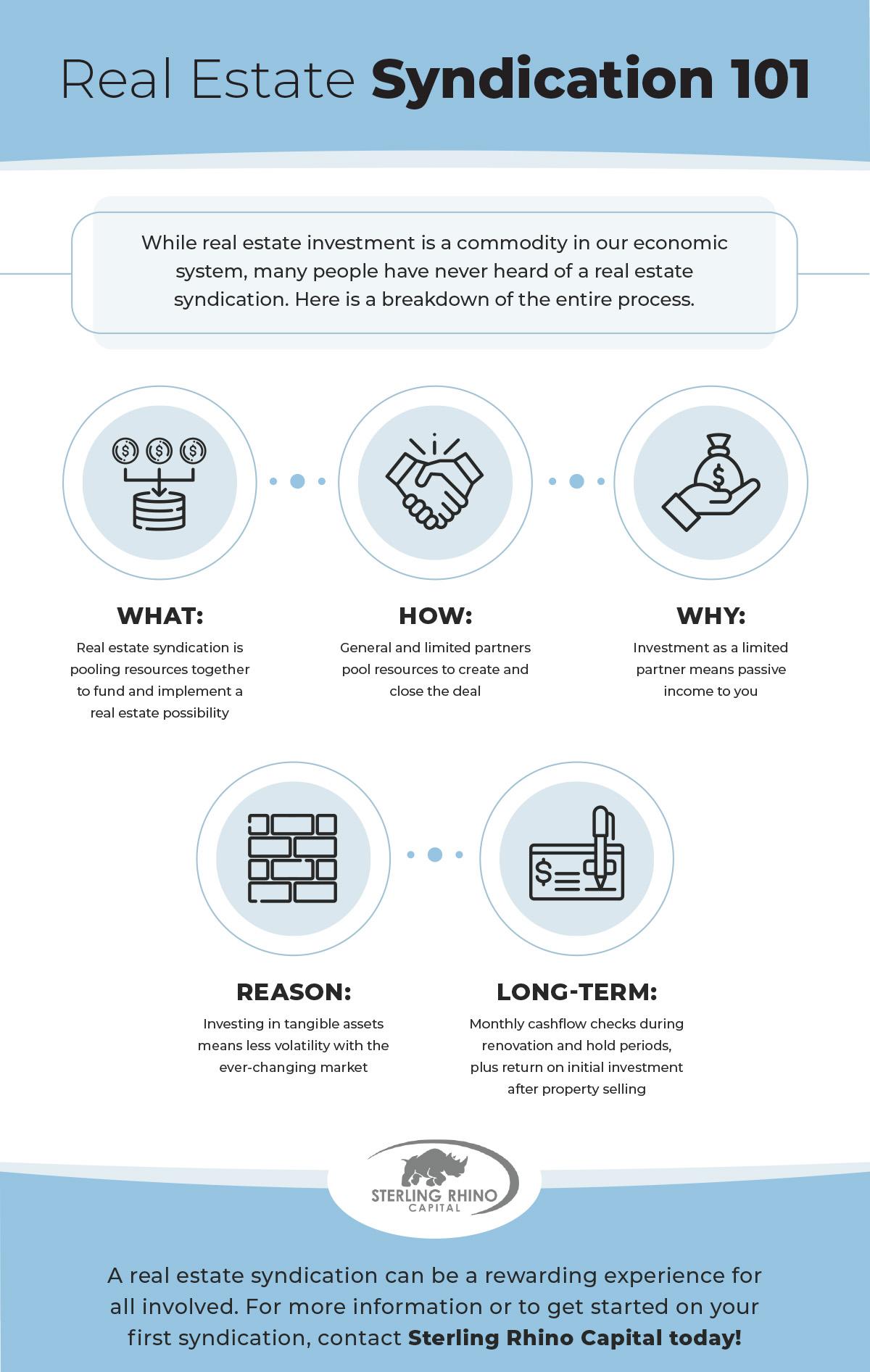
In the ever-evolving world of real estate investing, syndication has emerged as a powerful strategy, offering individuals the opportunity to pool resources adn invest in larger properties than they could afford independently. This collaborative approach not only democratizes access to lucrative real estate deals but also leverages the expertise of seasoned professionals to navigate market challenges. However,like any investment avenue,real estate syndications come with their own set of advantages and pitfalls. Weather you’re a seasoned investor looking to diversify your portfolio or a newcomer eager to explore this dynamic space, understanding the benefits and drawbacks of real estate syndications is crucial. In this article,we will delve into the critical aspects of these investment structures,guiding you on how to evaluate their potential impact on your financial journey. Join us as we dissect the nuances of real estate syndications and equip you with the insights needed to make informed investment decisions.
Table of Contents
- Understanding the Structure and Function of Real Estate Syndications
- Key Advantages of Participating in Real Estate Syndications
- Potential Risks and Challenges to Consider in Syndication Investments
- Best Practices for Assessing Syndication Opportunities and Making Informed Decisions
- Concluding Remarks
Understanding the Structure and Function of Real Estate Syndications
Real estate syndications provide a unique investment opportunity, allowing multiple investors to pool their resources to purchase a larger asset than any individual could afford alone. The structure typically includes a syndicator, often a seasoned real estate professional, who manages the investment and operational aspects, securing the property and strategizing its enhancement. Investors contribute capital in exchange for a share of the profits, wich can come from rental income and gratitude.This collaborative model enables investors to mitigate risks and diversify their portfolios while leveraging expert management.
Within this framework, understanding the roles involved is essential. Passive investors contribute funds but do not actively participate in property management, while active syndicators handle the day-to-day operations. Often, structures are designed to align interests, with syndicators receiving a management fee and a percentage of the profits, ensuring they are incentivized to maximize returns.Here is a simple overview of the typical roles and potential benefits:
| Role | Responsibilities | Potential Benefits |
|---|---|---|
| Syndicator | Manages investment, secures property, oversees operations | Receive management fees and profit share |
| Passive Investor | Provides capital, receives returns without involvement | Opportunity for income and asset appreciation |
Key Advantages of Participating in Real Estate Syndications
Participating in real estate syndications offers several significant advantages for investors looking to diversify their portfolios without the heavy lifting frequently enough associated with property management. First and foremost, syndications allow individuals to pool their resources, enabling access to larger, more lucrative investments that might otherwise be unattainable.This collective investment approach not only reduces individual financial burden but also spreads risk across multiple stakeholders. Additionally, investors benefit from the expertise of seasoned professionals who manage the properties, handle tenant relations, and ensure compliance with local regulations, thereby providing peace of mind and freeing up time for other pursuits.
Another compelling reason to consider syndications is the potential for passive income generation along with significant tax advantages. By investing in real estate through syndications, stakeholders can gain exposure to income-producing assets while remaining hands-off. This setup typically provides regular distributions resulting from rental income or property appreciation. Moreover, the tax benefits associated with owning real estate—such as depreciation and mortgage interest deductions—can enhance overall returns significantly. Below is a comparison of key benefits that highlight the attractive aspects of real estate syndications:
| Advantages | Details |
|---|---|
| Diversification | Invest in larger assets with less capital, spreading financial risk. |
| Professional Management | Expert managers handle property operations and tenant relations. |
| Passive Income | Regular distributions from rental income without active involvement. |
| Tax Benefits | Deductions for depreciation and other expenses enhance returns. |
Potential Risks and Challenges to Consider in syndication Investments
Syndication investments, while offering numerous opportunities for passive income, also come with a range of potential risks that investors should meticulously evaluate. One of the primary concerns is market volatility, which can significantly impact property values and rental demand. Factors such as economic downturns, changes in interest rates, and shifts in local real estate markets can lead to decreased returns or unforeseen losses. Additionally, the lack of control over property management decisions can be unsettling for investors who prefer to have a hands-on approach to their investments.
Another challenge lies in the illiquidity of real estate assets. Unlike stocks or bonds, real estate syndications often require a longer investment horizon, making it challenging to cash out quickly if needed. investors may also face facts asymmetry, where the syndicator has more knowledge about the investment than the investors themselves. This can lead to misaligned expectations and disappointing outcomes. It’s crucial to thoroughly assess the syndicator’s track record and the transparency of the investment model before committing funds. Here’s a brief overview of common risks associated with syndication investments:
| Risk Category | Description |
|---|---|
| Market Risks | Fluctuations in property values and rental income |
| Management Risks | Lack of oversight and control over property operations |
| Liquidity Risks | Difficulties in selling shares quickly |
| Transparency Risks | Potential opacity in the syndication’s financial dealings |
Best Practices for Assessing Syndication Opportunities and making Informed Decisions
When considering syndication opportunities, it’s crucial to conduct thorough due diligence to ensure that the investment aligns with your financial goals. Start by analyzing the track record of the sponsor or syndicator. Look into their past projects, success rates, and investor feedback. Establish a clear understanding of the investment strategy, whether it be focusing on multifamily units, commercial properties, or flipping houses. To aid your evaluation, consider these key factors:
- Experience and reputation of the syndicator
- Market analysis and location of the properties
- Projected returns versus risks involved
- Fee structures and how they impact profitability
after gathering and analyzing this information, it becomes vital to weigh both the benefits and potential drawbacks of the investment. Consider assembling a simple overview in a table format to compare diffrent syndication opportunities side-by-side:
| Opportunity | Projected Returns | Risk Level | Investment Duration |
|---|---|---|---|
| Multifamily Syndication A | 8% – 10% | Low | 5 years |
| Commercial Property B | 10% – 12% | Moderate | 7 years |
| Fix and Flip C | 15% – 20% | High | 1-2 years |
Arming yourself with this comparative approach not only clarifies the potential benefits but also highlights concerns that may affect your final investment decision. Make sure to consult with financial advisors or real estate experts to ensure a balanced perspective is maintained throughout the assessment process.
Concluding Remarks
evaluating real estate syndications requires careful consideration of both their benefits and drawbacks. By weighing the potential for passive income against the risks associated with market fluctuations and management involvement, investors can make informed decisions that align with their financial goals. As with any investment opportunity, due diligence is paramount—conduct thorough research, assess the credentials of sponsors, and understand the specific terms of your investment. With the right knowledge and strategy, real estate syndications can be a valuable addition to your portfolio, offering opportunities for diversification and long-term growth.Whether you’re a seasoned investor or just starting your journey, staying informed and vigilant will empower you to navigate the complexities of real estate syndications successfully. Thank you for reading, and we hope this guide has provided you with valuable insights to enhance your investment strategy.Happy investing!