

Introduction
In recent years, blockchain technology has emerged as a transformative force, reshaping various sectors by enhancing transparency, security, and efficiency.The real estate market, historically plagued by complexity and inefficiencies, is not an exception to this trend. As property transactions typically involve multiple intermediaries, extensive paperwork, and lengthy processes, the integration of blockchain promises to streamline these operations, reduce costs, and mitigate risks. This article aims to analyze the profound impact of blockchain on real estate transactions, exploring both its potential advantages and the challenges it presents. By examining case studies, industry trends, and expert insights, we will uncover how this innovative technology may redefine the landscape of real estate dealings, paving the way for a more efficient and reliable market.
Table of contents
- Understanding Blockchain Technology in Real Estate Transactions
- Evaluating Transparency and Security Enhancements through Blockchain
- Assessing the Efficiency of Smart Contracts in Property deals
- Recommendations for Stakeholders on Integrating Blockchain Solutions
- Final Thoughts
Understanding Blockchain Technology in Real Estate Transactions
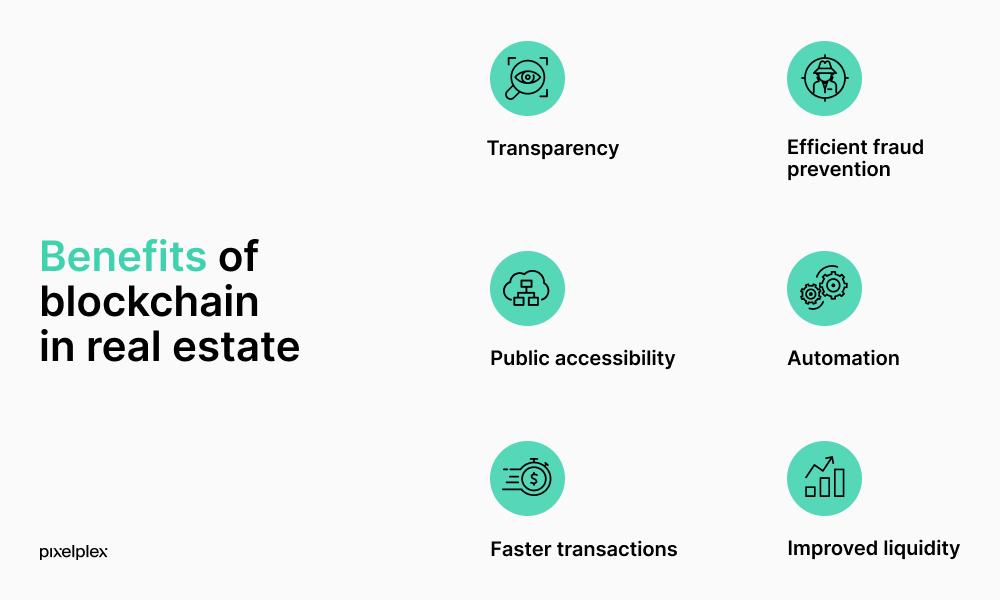
Blockchain technology is revolutionizing how real estate transactions are conducted by introducing an unprecedented level of security and transparency. At its core,blockchain acts as a decentralized ledger that records and stores data in a manner that is nearly unfeasible to alter. This intrinsic security reduces the risk of fraud, which has been a long-standing issue in real estate dealings. By ensuring that every transaction is securely logged, buyers and sellers can have increased confidence in the accuracy of property titles and ownership records. Key benefits include:
- Enhanced transparency: All parties involved have access to the same verified information.
- Improved efficiency: Smart contracts automate processes, reducing the need for intermediaries.
- Cost reduction: Lower transaction fees and reduced administrative costs.
The integration of blockchain into real estate transactions also facilitates faster closings by eliminating time-consuming paperwork and reducing the lag time associated with customary verification methods. In a blockchain framework,all necessary documents can be digitized and securely shared,allowing for real-time updates and streamlined interaction.Additionally, this technology holds the potential for innovative models of property ownership and investment, such as tokenization. Through the creation of digital tokens representing shares of property, investors can easily trade and invest in real estate without the burdens of direct ownership.The following table illustrates some emerging models influenced by blockchain:
| Model | Description |
|---|---|
| tokenization | Dividing ownership into digital tokens for trading. |
| Fractional Ownership | Multiple parties share ownership, making real estate more accessible. |
| Decentralized Marketplaces | Direct buying/selling without intermediaries, enhancing accessibility. |
Evaluating Transparency and Security Enhancements through Blockchain
Blockchain technology holds the promise of significant improvements in transparency and security within real estate transactions. By creating an immutable ledger, blockchain ensures that all details surrounding property ownership, transaction histories, and legal documentation are securely recorded and easily accessible to authorized parties. This level of transparency minimizes the risk of fraud, as every transaction is verifiable and cannot be altered retroactively. Key features contributing to enhanced transparency include:
- Real-time access: Stakeholders can view the status of transactions as they occur, reducing information asymmetry.
- Decentralization: With no single entity controlling the data, the risk of manipulation is significantly lowered.
- Audit trail: Each transaction creates a permanent record, facilitating straightforward audits and reviews.
The security enhancements brought by blockchain further fortify the real estate sector against various vulnerabilities.By utilizing cryptographic techniques, blockchain protects sensitive information from unauthorized access, ensuring that only relevant parties can view specific transaction details. Moreover,the use of smart contracts automates processes like payments and property transfers,reducing human error and potential disputes. Key security features include:
- Data encryption: Sensitive information is encrypted, safeguarding it against data breaches.
- Permissioned access: Smart contracts enable only qualified individuals to trigger actions within the blockchain.
- Resilience against tampering: The decentralized nature of blockchain makes it highly resistant to manipulative attacks.
Assessing the Efficiency of Smart Contracts in Property Deals
The introduction of smart contracts into property transactions has proven to enhance efficiency by eliminating the need for intermediaries such as real estate agents and notaries.These self-executing contracts, with the terms of the agreement directly written into code, facilitate seamless transactions based on predetermined conditions. This automation not only speeds up the buying and selling process but also reduces operational costs significantly. Key benefits of smart contracts in real estate include:
- Transparency: All parties have access to the contract, minimizing the risk of disputes.
- security: The blockchain ledger ensures data integrity and protection against fraud.
- Cost-Effectiveness: Reduced fees associated with traditional transaction methods.
- Speed: Transactions can be completed in a matter of hours rather than weeks.
However, while smart contracts offer clear advantages, their effectiveness is contingent upon various factors such as technological adoption and regulatory acceptance. The integration of blockchain technology necessitates that all stakeholders, including buyers, sellers, and financial institutions, are willing to embrace these innovations. A extensive understanding of the technology and a robust legal framework are essential for maximizing the potential of smart contracts in real estate. To illustrate the current state of smart contract adoption in property deals,the following table summarizes key statistics:
| Parameter | Value |
|---|---|
| Number of Properties Sold via smart Contracts (2023) | 2,500+ |
| Average Time to Complete Transaction | 72 Hours |
| Percentage Reduction in Transaction Costs | 15-30% |
| Stakeholder Awareness Level | 60% |
Recommendations for stakeholders on Integrating Blockchain Solutions
To successfully integrate blockchain solutions into real estate transactions,stakeholders must first embrace a collaborative mindset. This includes fostering partnerships across various sectors—such as technology firms, legal advisors, and regulatory bodies—to ensure a comprehensive understanding of blockchain’s capabilities and limitations. key actions include:
- Conducting Workshops: Initiate training sessions to familiarize all parties involved with blockchain operations and benefits.
- Standardizing Protocols: Establish uniform standards and protocols for implementing blockchain in real estate transactions to enhance interoperability.
- Regulatory Engagement: Engage with regulatory authorities to create a supportive framework that addresses concerns while encouraging innovation.
Furthermore, stakeholders should consider piloting blockchain applications on a limited scale prior to full implementation.This approach allows for real-world testing of smart contracts and decentralization features, providing insights into areas such as transaction speed, security, and user adoption.Suggested pilot initiatives include:
| Pilot Initiative | Purpose | Expected Outcome |
|---|---|---|
| Smart contracts for Sales | Streamline property transfer processes | Reduced transaction times |
| Tokenization of Assets | Access to smaller investments | Increased liquidity in the market |
| Blockchain-based Title Registry | Enhance transparency and security | Reduced fraud |
Final Thoughts
the integration of blockchain technology into real estate transactions represents a significant paradigm shift, poised to reshape the industry in essential ways.By enhancing transparency, improving security, and streamlining processes, blockchain emerges as a powerful tool in addressing longstanding challenges such as fraud, inefficiency, and lack of trust among stakeholders. As we move forward, the adoption of blockchain within the real estate sector will likely depend on continued collaboration among technology providers, regulatory bodies, and industry participants to establish standardized practices and legal frameworks that facilitate this conversion.
Moreover, the potential for smart contracts to automate and simplify transactions signals a future where real estate deals coudl be executed with unprecedented speed and reliability. however, it is crucial to remain vigilant about the challenges posed by regulatory compliance, technological barriers, and the need for education and awareness among all parties involved.Ultimately, as the real estate sector grapples with the implications of blockchain, proactive engagement and adaptability will be vital. As we navigate this evolving landscape, the insights gained through rigorous analysis of blockchain’s impact will not only guide industry stakeholders but also lay the groundwork for a more efficient and equitable real estate market in the digital age. The journey is just beginning, and those who embrace it will likely redefine the future of property transactions.