

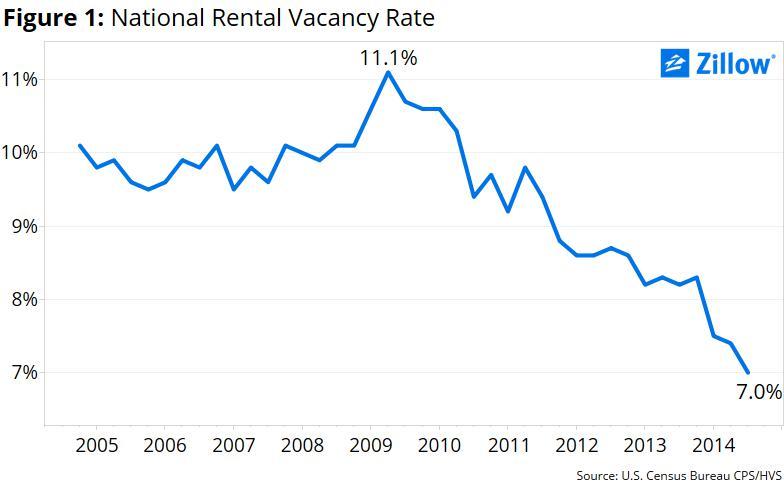
In the intricate landscape of housing economics, rental vacancy rates serve as a critical indicator of market health and a barometer for potential housing trends. As urban populations evolve and housing demand fluctuates, understanding the dynamics behind vacancy rates offers invaluable insights for policymakers, investors, and industry stakeholders alike. This article delves into the complex interplay between rental vacancy rates and housing market conditions, exploring how these rates not only reflect current economic realities but also forecast future trends. By examining various factors that influence vacancy rates—including economic shifts, demographic changes, and housing policies—we aim to elucidate the implications of these fluctuations on rental markets and, by extension, the broader economy. Through rigorous analysis, we seek to equip readers with a complete understanding of rental vacancy rates, empowering informed decision-making in a rapidly changing housing landscape.
Table of Contents
- Understanding Rental vacancy Rates and Their Role in Housing Market Dynamics
- Factors Influencing Rental Vacancy Rates: Economic Indicators and Local Trends
- Assessing the Impact of Vacancy Rates on Rental pricing and Investment Strategies
- strategic Recommendations for Mitigating Vacancy Risks in Emerging Markets
- To Conclude
Understanding rental Vacancy Rates and Their Role in housing Market Dynamics
Rental vacancy rates serve as a critical indicator of housing market health, reflecting the balance between rental supply and demand. A high vacancy rate often signals an oversupply of rental units, which can lead to decreased rental prices as landlords compete to attract tenants. conversely, a low vacancy rate may indicate a robust rental market, frequently enough resulting in increased rents and perhaps signaling housing demand that outstrips supply. Factors influencing these rates include economic conditions, employment rates, migration trends, and local housing policies that can either encourage or inhibit new construction.
Understanding these dynamics is essential for both investors and policymakers.By analyzing rental vacancy rates, stakeholders can identify strategic opportunities within the housing market.For instance, areas with persistently high vacancy rates may warrant investment in rehabilitation projects or community enhancements to boost desirability. On the other hand, regions experiencing low vacancy rates may be prime locations for new residential developments. The interplay of these factors can be summarized in the following table:
| Vacancy Rate | Market Implication | Actionable Strategy |
|---|---|---|
| High (Above 7%) | Oversupply of rentals; downward pressure on rents | Invest in property enhancements; consider price adjustments |
| Balanced (5-7%) | Stable supply and demand | Monitor market trends for future opportunities |
| Low (Below 5%) | High demand; upward pressure on rents | Explore new development projects; assess land acquisition |
Factors Influencing Rental Vacancy Rates: Economic Indicators and Local Trends
Rental vacancy rates are shaped by a myriad of economic indicators that reflect broader market dynamics. Unemployment rates, as an example, directly impact the demand for rental properties; higher unemployment frequently enough leads to decreased tenant availability as individuals delay moving or downsize.similarly, median income levels influence renters’ ability to pay and their willingness to relocate. Regions with rising wages typically experience a drop in vacancy rates, while stagnation in income can lead to increased vacancies as affordability becomes a pressing concern.Other key economic indicators include interest rates, which can affect both housing supply and demand, as an increase may deter potential buyers from purchasing homes, thus leaving more individuals in the rental market. these economic factors weave together to form a complex tapestry that determines how quickly properties are filled or remain vacant.
Local trends further complicate vacancy rates,as thay reflect the unique characteristics and circumstances of specific areas. The demographics of a neighborhood—such as age distribution, lifestyle preferences, and population growth—play a crucial role in shaping demand for rental units. Areas with vibrant cultural scenes or proximity to employment hubs often attract younger tenants and higher occupancy levels. Additionally,seasonal changes can influence rental activity; for instance,academic cities may see spikes in vacancy rates during summer months when students leave for the break. Property type and condition, alongside local housing policies and zoning laws, also significantly impact vacancy rates, as they dictate the types of rentals available and their attractiveness to potential renters. Understanding these local trends enables landlords and investors to make more informed decisions regarding rental strategies and property management.
assessing the Impact of Vacancy Rates on Rental Pricing and Investment Strategies
Vacancy rates serve as a crucial indicator of market health and demand dynamics in the rental sector. A decline in these rates often signals a robust demand for rental properties, which can lead to increased rental pricing.Conversely, high vacancy rates may reflect an oversupply of rental units or a lack of interest in specific locations, compelling landlords to reduce rent to attract tenants. This interplay between vacancy levels and pricing is essential for real estate investors and property managers, as understanding these trends allows for informed decision-making regarding property acquisitions, pricing strategies, and investment portfolios.
moreover, discerning how vacancy rates influence investment strategies can empower stakeholders to maximize returns. For instance, when vacancy rates are low, investors may be more inclined to invest in new developments or renovations, anticipating higher returns due to increased rental income. In contrast, during periods of high vacancy, a defensive strategy might potentially be prudent, such as focusing on maintaining existing properties and adjusting tenant incentives, including offering rent reductions or additional amenities. Adaptability is key in navigating varying market conditions, and a comprehensive analysis of vacancy trends equips investors with the insights needed to pivot their strategies effectively.
Strategic Recommendations for Mitigating Vacancy Risks in Emerging Markets
To effectively address vacancy risks in emerging markets, it’s essential to adopt a multifaceted strategy that incorporates market research, community engagement, and adaptive pricing models. Market analysis should focus not just on current economic conditions, but also on demographic trends that indicate future demand. Understanding the desires and needs of potential tenants can guide property developers and investors in tailoring their offerings, ensuring they resonate with the target audience. Additionally, leveraging technology-driven platforms can provide real-time data, allowing for agile responses to changing market conditions.
Moreover, fostering community relationships is vital for creating attractive living environments that encourage long-term occupancy. Engaging with local stakeholders, including businesses and municipal governments, can lead to initiatives that enhance the overall appeal of the area. Consider implementing incentive programs targeted at both landlords and tenants, such as tax breaks for maintenance improvements or rental discounts for long-term leases. These incentives can create a more dynamic and responsive rental market. The following table illustrates key recommendations and potential benefits:
| Proposal | Potential Benefit |
|---|---|
| Conduct Market Research | Identifies trends for informed decision-making |
| Community Engagement | builds tenant loyalty and stimulates local economy |
| Adaptive Pricing Models | Increases competitiveness and reduces vacancy rates |
| Incentive Programs | Encourages long-term rentals and property upgrades |
To Conclude
As we conclude our analysis of rental vacancy rates and their implications for housing markets, it is evident that these rates serve as vital indicators of economic health and residential demand. The intricate relationship between vacancy rates and various market dynamics—including rental pricing, investment opportunities, and regional demographic trends—underscores the complexity of housing markets.
Higher vacancy rates may signal an oversupply of rental units or economic challenges within a region, prompting landlords and investors to reassess their strategies. Conversely, low vacancy rates often indicate a strong demand that can lead to increased rental prices and a more competitive market habitat.
understanding these trends not only aids stakeholders in making informed decisions but also enhances our comprehension of broader economic patterns. Policymakers, investors, and urban planners alike must consider these metrics as they navigate the evolving landscape of housing. As we move forward, continued research and monitoring of rental vacancy rates will be crucial for anticipating shifts in the housing market and responding proactively to emerging challenges.
a thorough analysis of rental vacancy rates offers invaluable insights into the intricacies of the housing market.These insights not only facilitate strategic decision-making but also pave the way for a more sustainable and responsive housing environment. As we look to the future, a nuanced understanding of vacancy trends will be essential for fostering balanced and equitable housing solutions across communities.