

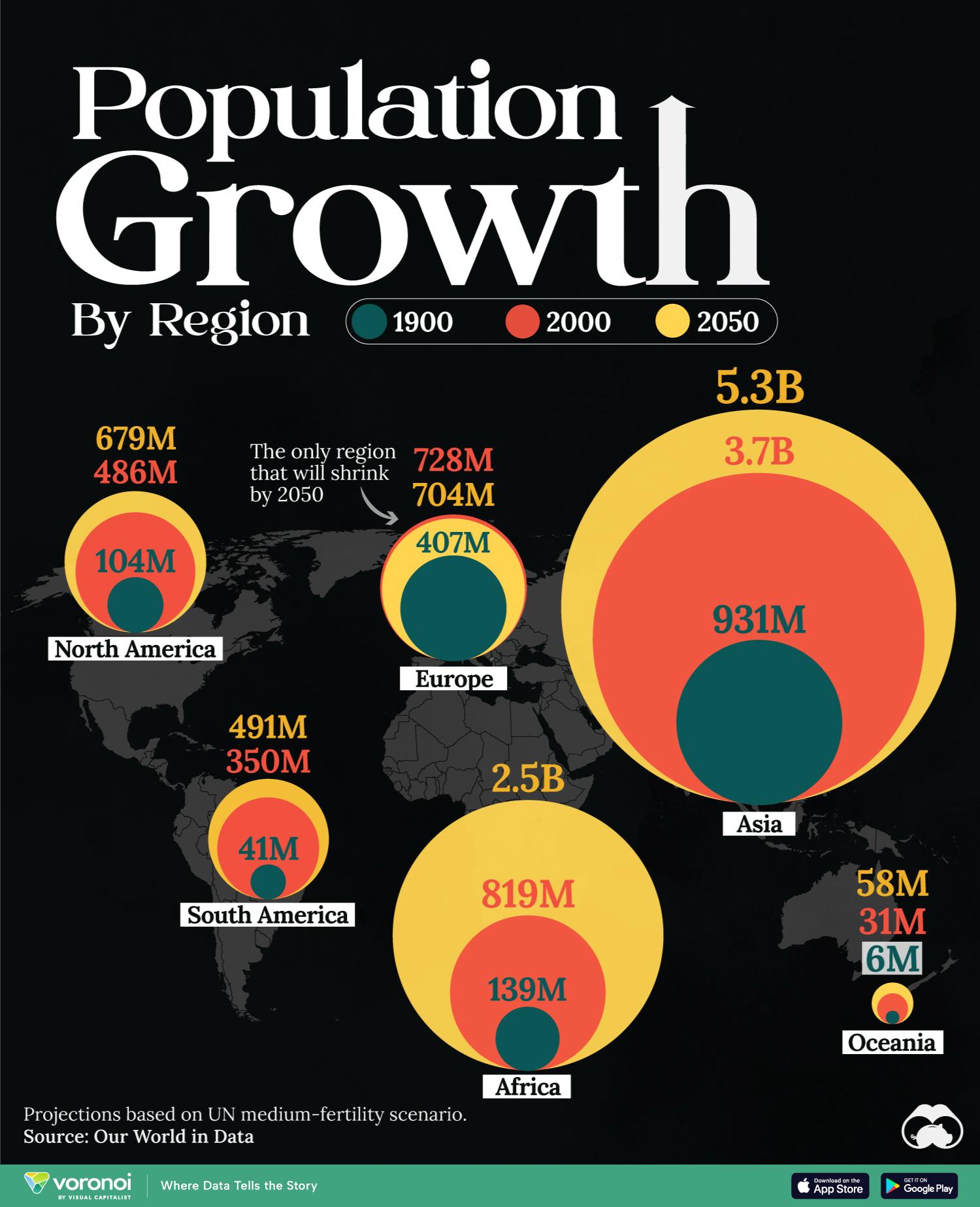
Title:
Introduction:
As urban centers continue to swell and suburban areas expand, understanding the interplay between population growth and real estate demand has become a critical area of analysis for investors, policymakers, and urban planners alike. Population growth—driven by factors such as natural demographic shifts and migration—directly influences the dynamics of the housing market, affecting both residential and commercial sectors. This article aims to dissect the multifaceted relationship between demographic changes and real estate demand, examining key indicators that forecast market trends and informing strategic decision-making.By delving into historical data, current market conditions, and projected growth trajectories, we seek to uncover the underlying mechanisms that shape real estate activity in a rapidly evolving landscape. Through this analytical lens, we will highlight the implications of population growth on housing prices, inventory levels, and growth strategies, equipping stakeholders wiht the insights necessary to navigate an increasingly complex market environment.
Table of Contents
- Understanding the Correlation Between Population Growth and Housing Demand Dynamics
- Identifying Key Demographic Trends Influencing Real Estate Markets
- Evaluating the Impact of Urbanization on Property Valuation and Investment Opportunities
- Strategic Recommendations for Real Estate Stakeholders in Response to Population Shifts
- in Retrospect
Understanding the Correlation Between Population Growth and Housing Demand Dynamics
Population growth is a meaningful driver of housing demand, influencing various dimensions within the real estate market. As more individuals and families move to urban areas in search of opportunities, the demand for residential properties naturally escalates. This demand not only encompasses single-family homes but also multifamily units,affordable housing,and luxury apartments.The key factors contributing to this correlation include:
- Increased Employment Opportunities: As the population expands, businesses require more employees, creating a ripple effect that stimulates the housing market.
- Urbanization Trends: More peopel gravitate towards cities, intensifying the competition for housing and driving prices upwards.
- Changing Demographics: Younger generations are entering the housing market, leading to evolving needs for different types of housing options.
Moreover, the relationship between population growth and housing demand is further complicated by supply-side factors. Limited land availability, zoning regulations, and construction costs can restrict the flow of new housing units into the market, exacerbating existing shortages. This dynamic can lead to a significant gap between supply and demand, resulting in increased property prices. A closer examination reveals several critical takeaways:
| Factor | Impact on Housing Demand |
|---|---|
| Population Increase | Higher demand for diverse housing options |
| Urbanization | Escalating prices due to competition |
| Economic Growth | More disposable income, spurring home purchases |
Identifying key Demographic Trends Influencing Real Estate Markets
Understanding demographic trends is crucial in assessing the intricacies of real estate demand. As populations swell, largely influenced by factors such as migration, birth rates, and an aging society, real estate markets must adapt to changing demographics. Here are some pivotal trends shaping the landscape:
- Urban Migration: An increasing number of individuals are gravitating towards urban centers in search of job opportunities, amenities, and lifestyle. This migration often leads to heightened demand for residential properties in cities.
- Millennial Homebuyers: As millennials, now the largest generational group, enter the housing market, their preferences for open spaces, eco-pleasant features, and technology integration dictate the types of homes that are built.
- Aging Population: The growing population of retirees has initiated a demand for age-friendly housing options, including single-story homes and communities with accessible facilities.
The impact of these trends can be quantified through analyzing population statistics and housing availability. The following table illustrates the predicted shifts in population,emphasizing regions expected to experience significant growth:
| Region | Current Population | Projected Growth (Next 10 Years) |
|---|---|---|
| Urban Centers | 9.5 million | 15% |
| Suburban Areas | 6.2 million | 10% |
| Rural Areas | 3.1 million | 2% |
Incorporating the knowledge of these demographic shifts equips real estate professionals with the insight needed to forecast demand accurately.By aligning their strategies with the expectations and needs of an evolving population, they can position themselves advantageously in a highly competitive marketplace.
Evaluating the Impact of Urbanization on Property valuation and Investment Opportunities
The surge in urbanization, driven largely by population growth, has profound implications for property valuation and investment prospects. As metropolitan areas expand, demand for residential and commercial real estate necessarily intensifies. Factors contributing to these shifts include:
- Increased Demand: More residents lead to an uptick in housing needs, subsequently elevating property prices.
- Infrastructure Development: Urbanization frequently enough sparks enhancements in infrastructure, such as roads and public transport, which can augment property values.
- Investment Influx: A rising population attracts investors seeking profitable opportunities in growing markets, thereby influencing valuations.
Moreover, the characteristics of urbanized areas can dictate the type of investment opportunities available. In established urban centers,property valuation tends to be stable yet competitive,whereas emerging suburbs might offer affordable options for investors willing to explore untapped markets. To illustrate this dynamic, consider the following table showing the average property values in different urban areas:
| Urban Area | Average Property Value | Investment Appeal |
|---|---|---|
| Downtown City A | $850,000 | High |
| Suburb B | $350,000 | Moderate |
| Emerging District C | $250,000 | Varying |
Investors must also consider the socio-economic factors that accompany urbanization. Variables such as employment rates, or local amenities can significantly influence both property values and investment viability. As urbanization continues, understanding these factors is crucial for making informed investment decisions.
Strategic Recommendations for Real Estate stakeholders in Response to Population Shifts
To effectively navigate the evolving landscape shaped by population shifts, real estate stakeholders must adopt a proactive approach.Market research is essential to identify emerging trends and areas of potential demand. Stakeholders should start by:
- Analyzing demographic data to understand population characteristics, such as age, income levels, and family size.
- Monitoring migration patterns to pinpoint regions experiencing growth or decline.
- engaging with local governments to understand zoning laws and future development plans that align with population needs.
additionally, adapting to the specific requirements of shifting populations can enhance investment outcomes. Real estate professionals should consider:
- Diversifying property offerings by increasing options for multi-family units, affordable housing, and senior living facilities, catering to various demographics.
- Fostering sustainable developments that incorporate community amenities to attract buyers and renters who prioritize livability.
- Leveraging technology for virtual tours and enhanced marketing efforts to reach potential tenants and buyers in a digitized market.
| Proposal | Impact |
|---|---|
| Market Research | Identifies opportunities for investment and development. |
| Diverse property Offerings | Addresses varying needs of a growing population. |
| Sustainable Developments | Attracts environmentally conscious buyers and renters. |
| Technology Utilization | Enhances marketing reach and engagement. |
In Retrospect
the intricate relationship between population growth and real estate demand presents a multifaceted issue that requires careful consideration from investors, policymakers, and urban planners alike. As our analysis indicates, population expansion often leads to increased demand for housing, commercial spaces, and infrastructure, thereby influencing market dynamics in both predictable and unexpected ways.
The demographic shifts—such as urbanization trends, changes in household composition, and migration patterns—underscore the importance of adapting real estate strategies to align with evolving population metrics. moreover, the implications of these trends extend beyond mere numbers; they call for a deeper understanding of social and economic contexts that drive housing needs and preferences.As we look to the future, it is indeed essential to integrate data-driven forecasting with innovative planning and sustainable development practices. The partnership between demographic analytics and real estate development is crucial in crafting solutions that not only meet immediate demand but also promote long-term community resilience. By proactively addressing the challenges posed by population growth, stakeholders can better position themselves to capitalize on emerging opportunities within the real estate market. Ultimately, a strategic approach to understanding these dynamics will serve to enhance both economic stability and the quality of life for residents in rapidly growing areas.