

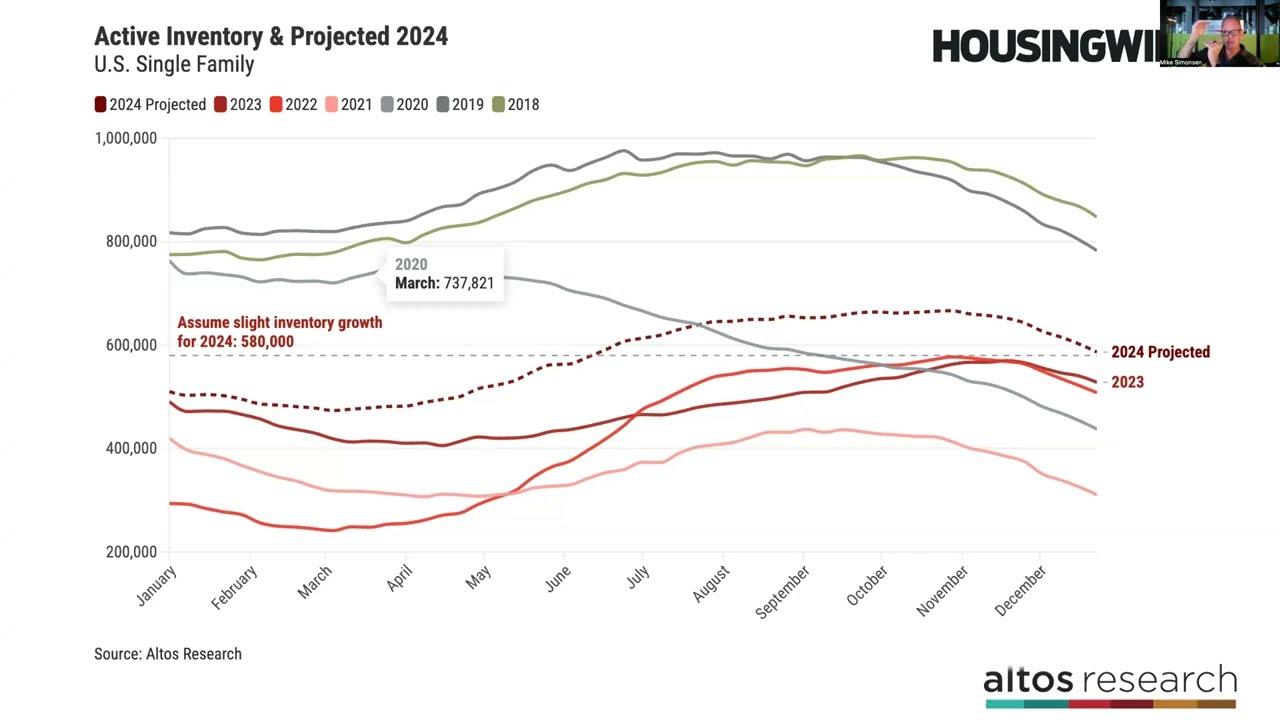
As we step into 2024, the real estate landscape is poised for transformation amidst a backdrop of economic fluctuations, evolving consumer behaviors, and technological advancements. Industry stakeholders—from investors and developers to homebuyers and renters—must be equipped with a thorough understanding of the trends shaping the market this year. In this article, we will delve into the pivotal real estate market trends that are emerging, offering insights into shifting demand patterns, financing dynamics, and the increasing impact of sustainability. By navigating these trends effectively, real estate professionals can not only adapt to current conditions but also seize opportunities for growth and innovation in an ever-competitive market. Join us as we unveil the key trends that will define the real estate sector in 2024 and beyond.
Table of Contents
- Emerging market Dynamics and Economic Influences
- Technological Innovations Shaping Real Estate Transactions
- Sustainability and Urban development Trends to Consider
- Strategic Investment Opportunities for Savvy Buyers
- In Summary
Emerging Market Dynamics and Economic Influences
The landscape of emerging markets is witnessing a transformative shift, underscored by a variety of economic factors that substantially influence their real estate sectors. Investors shoudl pay close attention to increasing urbanization, which drives up demand for residential and commercial spaces. Coupled with this, digital transformation is not only reshaping traditional business models but also influencing how real estate is marketed, sold, and managed. Key market dynamics include:
- Foreign direct Investment (FDI)
- Currency Fluctuations
- Regulatory Changes
- Sustainability Trends
As global economic recovery continues to gain momentum, these elements are pivotal in shaping real estate valuations and operational strategies. For instance, understanding the foreign investment climate in emerging markets can help gauge where notable opportunities lie. Additionally, the relationship between interest rates and real estate pricing cannot be understated. The following table summarizes critical economic influences projected for 2024:
| Economic Indicator | 2024 Projections |
|---|---|
| GDP Growth | 5.2% |
| Inflation Rate | 3.5% |
| Investment Inflows | $15 Billion |
Technological Innovations Shaping Real Estate Transactions
The real estate landscape is evolving rapidly, driven by a wave of technological advancements that have transformed how transactions are conducted. Blockchain technology is at the forefront, providing a secure and clear method for property ownership verification and transaction history, which minimizes fraud risks.Moreover, the rise of Artificial Intelligence (AI) is enabling real estate professionals to analyze market trends, assess property values, and enhance customer service through predictive analytics and personalized engagement.This integration of AI not only streamlines processes but also empowers agents with valuable insights to better serve their clients.
Additionally, virtual and augmented reality (VR/AR) technologies are reshaping property viewing experiences, allowing potential buyers to explore listings from the comfort of their homes. Imagine hosting a 3D virtual tour that enables clients to visualize spaces without physically visiting. The emergence of smart contracts is another game-changer, automating transaction completion once predetermined conditions are met, thereby reducing paperwork and accelerating the closing process. Together, these innovations are creating a more efficient and user-friendly environment for real estate transactions, catering to the expectations of a tech-savvy clientele.
Sustainability and Urban Development trends to Consider
The integration of sustainable practices in urban development is becoming paramount as cities evolve to meet the demands of a growing population. Developers are increasingly focusing on eco-friendly construction techniques and materials, aiming to reduce the carbon footprint of new projects. key trends shaping this movement include:
- Green Building Certifications: More developers are pursuing certifications such as LEED and BREEAM to enhance the marketability of their projects.
- Mixed-Use Developments: These projects promote reduced reliance on vehicles, combining residential, commercial, and recreational spaces to foster walkable communities.
- Smart City Innovations: Integrating technology is making cities more efficient, from energy management systems to waste reduction strategies.
additionally, the incorporation of green spaces in urban planning not only enhances aesthetic appeal but also contributes to improved air quality and mental well-being for residents. Investments in urban parks, rooftop gardens, and community greenhouses are gaining traction. This is further evidenced by data demonstrating the positive impact of greenery on urban life:
| Green Space Initiative | Expected Impact |
|---|---|
| Community Parks | 20% increase in local property values |
| Urban Rooftop Gardens | reduction in energy costs by up to 30% |
| Tree Canopy Expansion | Improved air quality and reduced heat islands |
Strategic Investment Opportunities for Savvy Buyers
As the real estate landscape shifts in 2024, astute investors are poised to capitalize on emerging opportunities that promise ample returns. The convergence of technology and demographic trends is reshaping the market, making it essential for buyers to stay ahead. Notable strategies include:
- Targeting Secondary Markets: With urban centers becoming saturated, shifting focus to growing secondary cities can yield lucrative investment opportunities.
- Embracing Sustainable Properties: Green buildings are gaining traction, attracting environmentally conscious tenants and offering long-term savings.
- Leveraging Technology: Utilizing real estate tech tools for property management and analytics can optimize ROI and streamline operations.
A closer look at future trends reveals exciting sectors worth considering for strategic investments. The increase in remote work has lead to a surge in demand for properties that cater to work-from-home professionals. Additionally, the following sectors are anticipated to flourish:
| Sector | Investment Potential |
|---|---|
| multi-family Units | High |
| Vacation Rentals | Medium |
| Commercial Spaces for Flex Work | High |
In Summary
As we look ahead to 2024, understanding the evolving landscape of the real estate market is crucial for investors, homeowners, and industry professionals alike.The trends highlighted in this article underscore the dynamic shifts shaping the market, from technological advancements and changing consumer preferences to economic factors influencing property values.
By staying informed and adapting to these emerging patterns, stakeholders can position themselves advantageously in a competitive environment. Whether you are considering a new investment, looking to sell, or simply seeking to enhance your market knowledge, keeping a keen eye on these trends will empower you to make informed decisions.
As we continue to navigate the complexities of the real estate sector, let us embrace the opportunities that lie ahead. In a year marked by uncertainty, proactive engagement, and strategic planning will be key to flourishing in the evolving market landscape. Thank you for joining us on this journey to uncover the vital trends that will define real estate in 2024 and beyond.