

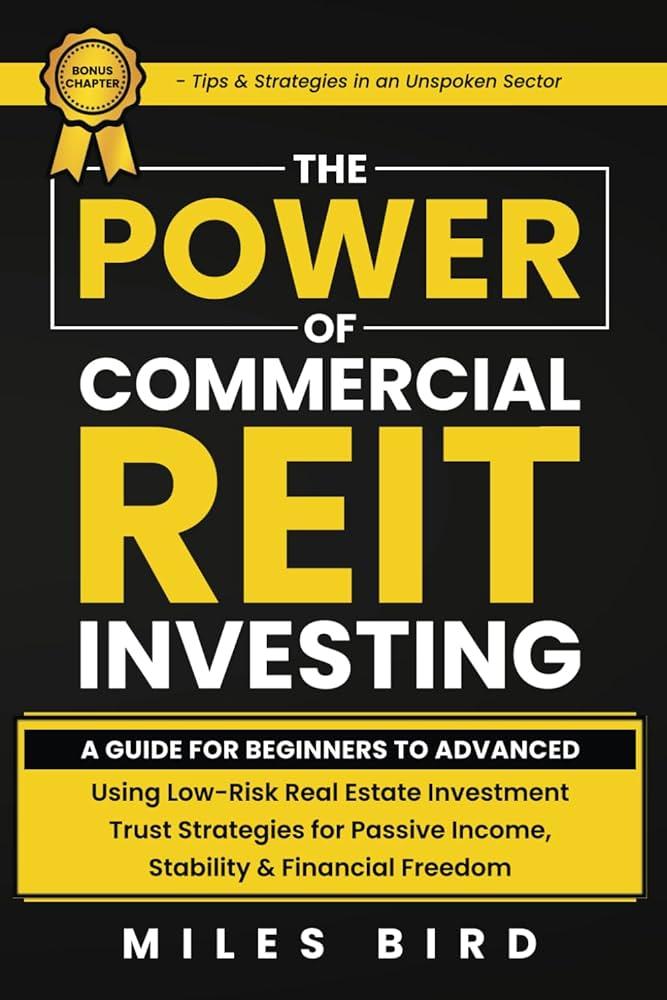
In today’s dynamic financial landscape,Real Estate Investment Trusts (REITs) have emerged as a cornerstone for savvy investors looking to diversify their portfolios while tapping into the lucrative world of real estate. With their ability to generate steady income through dividends and provide potential for capital appreciation, REITs offer a compelling avenue for investors seeking both growth and stability.Though, navigating the complexities of the REIT market requires a strategic approach. This article will explore effective investment strategies tailored for smart investors who aim to maximize their returns while minimizing risk. From understanding the different types of REITs and their operational nuances to leveraging market trends and economic indicators, we will equip you with the insights necessary to enhance your investment decisions and build a robust REIT portfolio. Join us as we delve into the core principles that can elevate your approach to REIT investing, setting you on a path toward financial success.
Table of Contents
- Understanding the Different Types of REITs and Their Market Roles
- Key Metrics to Evaluate for Successful REIT portfolio Selection
- Diversification Techniques to Mitigate Risks in REIT Investments
- Leveraging market Trends: Timing Your REIT Investments for Optimal Returns
- in Retrospect
Understanding the different Types of REITs and Their market Roles
Real Estate Investment Trusts (REITs) encompass a variety of types, each serving distinct market roles, catering to a diverse set of investment strategies. The major categories include equity REITs, which primarily own and operate income-generating real estate; mortgage REITs, which offer financing for income-producing real estate by purchasing or originating mortgages and mortgage-backed securities; and hybrid REITs, which incorporate elements of both equity and mortgage REITs. Furthermore, within these categories, investors can find specialized REITs focusing on specific sectors such as retail, healthcare, and industrial properties, each presenting unique risks and rewards that can align with different investment goals.
Understanding these classifications not only aids in identifying potential investments but also in gauging their performance during varying market conditions. As an example, equity REITs are typically more sensitive to fluctuations in property values, while mortgage REITs react more to interest rate changes. Below is a simple comparison table highlighting these distinctions:
| Type of REIT | Primary Focus | Risk Factors |
|---|---|---|
| Equity REITs | Own and manage real estate properties | Market value fluctuations |
| Mortgage REITs | Invest in real estate mortgages | Interest rate sensitivity |
| Hybrid REITs | Combination of equity and mortgage investments | Mixed risk exposure |
Key Metrics to Evaluate for Successful REIT Portfolio Selection
Beyond these fundamental metrics, investors should also consider the Dividend Yield, which indicates the income generated relative to the share price, making it a crucial factor for income-focused investors. The Occupancy Rate of properties within the REIT gives insight into the market demand and the effectiveness of property management. Lastly, staying informed about the Geographic and Sector Diversification within the portfolio can help mitigate risks associated with economic downturns in specific markets or sectors. By focusing on these metrics, investors can build a more resilient and profitable REIT portfolio.
diversification Techniques to Mitigate Risks in REIT Investments
Investing in Real Estate Investment Trusts (REITs) carries inherent risks, but applying diversification techniques can help mitigate these challenges. One of the primary strategies is to spread your investments across various types of REITs. This can include sectors such as residential, commercial, healthcare, and data centers. By investing in a mix of REITs, you can reduce your exposure to downturns in any single market and create a more stable investment portfolio. Additionally, consider geographical diversification; investing in REITs that operate in different regions can protect you from localized economic issues.
Another effective technique is to incorporate non-correlated assets into your REIT portfolio.This includes assets that do not move in tandem with real estate markets, such as bonds or international stocks. This multifaceted approach helps cushion your portfolio during market volatility, as these assets may perform well when REITs are underperforming. Furthermore, it’s wise to regularly reassess your portfolio to align with changing market conditions, ensuring that your diversification strategy remains effective over time. Below is a simplified table showcasing different types of REITs and their potential benefits:
| Type of REIT | Investment Focus | Potential Benefit |
|---|---|---|
| Residential | Apartments, single-family homes | Stable cash flow from rental income |
| Commercial | Office buildings, retail spaces | High growth potential in urban areas |
| Healthcare | Nursing facilities, hospitals | Demand surge from aging population |
| Data Centers | Tech facilities, storage | Growth from data consumption increase |
Leveraging Market Trends: timing Your REIT Investments for Optimal Returns
Investing in Real Estate Investment Trusts (REITs) requires a keen understanding of market trends to maximize returns. Savvy investors recognise the meaning of timing and often look for signals indicating when to enter or exit a position. Key indicators might include interest rate fluctuations, economic cycles, and real estate market forecasts. By monitoring these trends, you can effectively position your portfolio to capitalize on market upswings while avoiding potential downturns.Key factors to analyze include:
- Economic Indicators: Keep an eye on GDP growth rates and employment stats.
- interest Rate Trends: Increases can negatively impact REIT prices, while decreases can boost them.
- Sector Performance: certain REIT sectors, like residential or commercial, may perform differently based on market conditions.
Another crucial aspect of optimizing REIT investments involves sector diversification. different sectors may react uniquely to the prevailing economic climate, presenting opportunities to balance risk and reward. Consider how various sectors perform under different circumstances and align your investments accordingly. Below is a simplified overview of sector performance during economic fluctuations:
| Sector | Performance During Economic Expansion | Performance During Economic Recession |
|---|---|---|
| Residential REITs | Stable growth due to housing demand | Resilience as people always need housing |
| Commercial REITs | Increased rental income | Vacancies rise, lowering income |
| Healthcare REITs | Steady demand driven by aging populations | Minimal impact, essential services remain |
In Retrospect
navigating the world of Real Estate Investment Trusts (REITs) can be both rewarding and complex. By adopting the strategies outlined in this article,such as thorough research,diversification,and maintaining a long-term perspective,you can position yourself to maximize your returns while minimizing risks. Remember, the key to successful investing lies in continuous learning and adapting to market changes. As you embark on your REIT investment journey, stay informed, keep an eye on market trends, and don’t hesitate to seek advice when needed. With patience and diligence, you can enhance your portfolio and enjoy the benefits that REITs have to offer. Happy investing!