

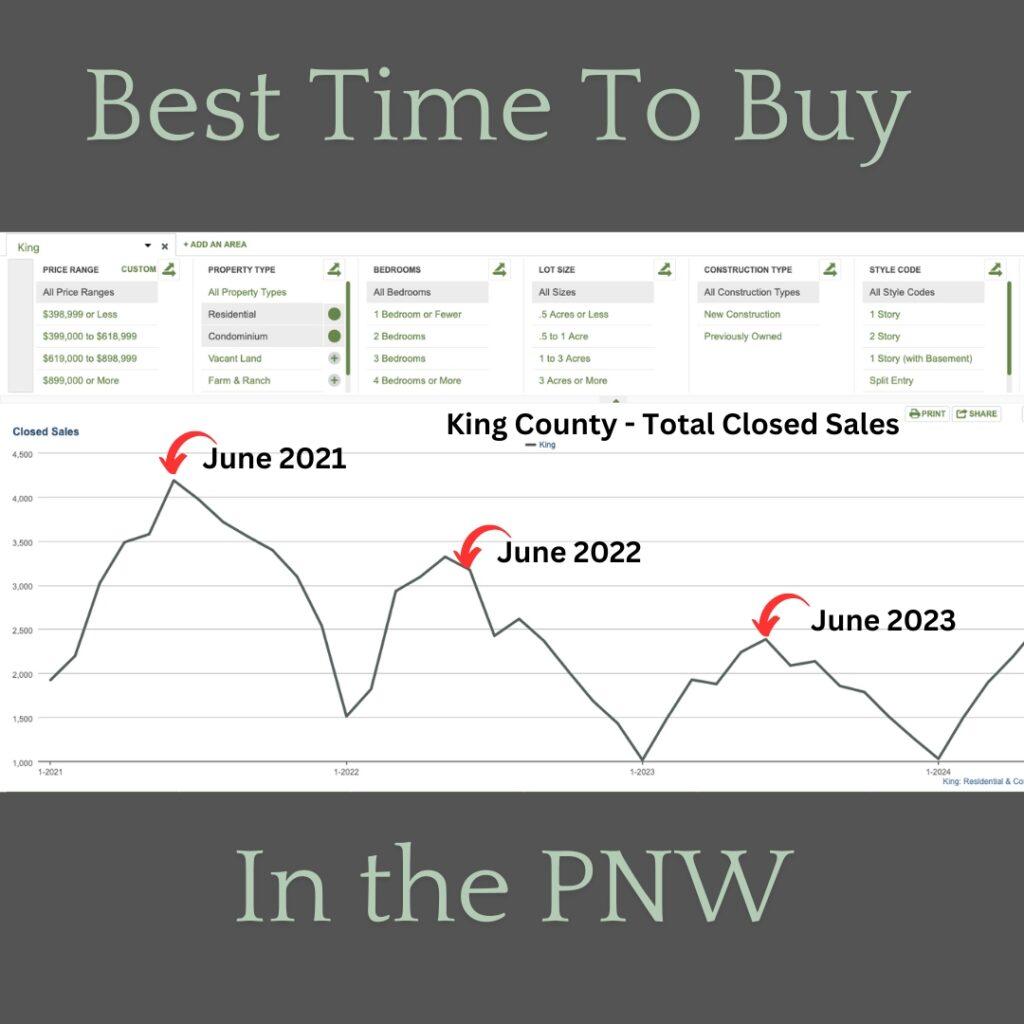
In the ever-evolving landscape of real estate, timing can be the difference between a lucrative investment and a costly mistake. Navigating the peaks and valleys of market cycles requires not just intuition, but also a strategic approach grounded in data and informed analysis. In this article, we will delve into the art and science of market timing in real estate, uncovering smart strategies that seasoned investors and professionals use to capitalize on opportunities and mitigate risks. Whether you’re a first-time homebuyer, an aspiring landlord, or a seasoned investor looking to sharpen your competitive edge, understanding the nuances of market timing can empower you to make informed decisions. Join us as we explore key indicators, analytical tools, and expert insights that will help you master the timing of your real estate ventures and steer your financial future toward success.
Table of Contents
- Understanding market Cycles and Timing your Investments
- Key Indicators to Monitor for Optimal Entry and Exit Points
- Strategic Approaches to Capitalize on Seasonal Trends
- Utilizing Data Analytics for Informed Decision Making
- To Wrap It Up
Understanding Market Cycles and Timing Your Investments
Grasping the nuances of market cycles is essential for any investor looking to optimize their real estate portfolio. Market cycles generally progress through several stages: expansion, peak, contraction, and trough. Recognizing where the market currently sits within this cycle can significantly impact decision-making. as an example, purchasing during the trough phase can lead to considerable gains as the market shifts towards expansion. Key indicators to monitor include:
- Economic Trends: Follow GDP growth, employment rates, and consumer confidence.
- Real Estate Fundamentals: analyse supply and demand metrics, inventory levels, and local market conditions.
- Interest Rates: Keep an eye on shifts that can affect borrowing costs.
Moreover,timing your investments not only involves understanding the broader market context but also requires a focus on personal financial readiness. effective investment timing considers not just market indicators but also your own financial situation, risk tolerance, and investment strategy. A disciplined approach often includes creating a real estate investment timeline that aligns with your financial goals. This could involve:
- Setting Clear Objectives: Define short-term and long-term goals.
- Building a Cash Reserve: Prepare for possible financial downturns.
- Establishing monitoring Protocols: Regularly review and adjust your investment strategy as market conditions change.
key Indicators to Monitor for Optimal Entry and Exit Points
To navigate the complexities of the real estate market effectively, it’s crucial to keep an eye on several key indicators that signal optimal entry and exit points. Start by monitoring market trends, which can provide insights into price movements and demand fluctuations. Tools like moving averages or the Relative Strength Index (RSI) can offer a clearer picture of whether the market is overbought or oversold. Additionally, consider studying economic indicators such as job growth, interest rates, and inflation rates, as these factors heavily influence buyer confidence and property values.
Another vital aspect involves analyzing local market conditions. Pay attention to supply and demand dynamics in specific neighborhoods or regions, as this variation can greatly impact property values. Use metrics such as median sales price,average days on market,and inventory levels to determine whether it’s an favorable time to buy or sell. For an at-a-glance overview, refer to the table below, which outlines important indicators and their implications:
| Indicator | Implication |
|---|---|
| Days on Market | Shorter days indicate high demand; longer days suggest oversupply. |
| Median Sale Price | Increasing prices can signal a seller’s market; decreasing implies a buyer’s market. |
| inventory Levels | Low inventory often leads to bidding wars, while high inventory can depress prices. |
Strategic Approaches to Capitalize on Seasonal Trends
Understanding and leveraging seasonal trends can significantly enhance your real estate investment strategy. By analyzing historical data and market behavior, investors can identify prime opportunities during peak seasons, often seeing a boost in consumer demand. Some effective strategies to consider include:
- Timing Your Listings: Position your properties for sale during high-demand seasons, such as spring and summer, to attract more buyers.
- Seasonal Marketing Campaigns: Tailor your marketing efforts to reflect seasonal interests, highlighting property features that appeal to buyers’ desires at different times of the year.
- Staging for Seasonal Appeal: Enhance the aesthetic of your listings with seasonal staging that resonates with potential buyers, showcasing the property’s best attributes.
Moreover, understanding the cyclical nature of real estate markets allows investors to anticipate downturns and prepare accordingly. This foresight can lead to strategic buying opportunities during off-peak periods when prices may be lower. Consider the following key approaches:
| season | Investment Focus |
|---|---|
| Spring | New listings, renovations |
| Summer | Family-friendly properties |
| Autumn | Investment in fixer-uppers |
| Winter | Second home buyers |
By implementing these strategies and maintaining a vigilant watch over market dynamics, real estate investors can not only optimize their returns but also navigate through the fluctuating landscape with greater confidence and acumen.
Utilizing Data Analytics for Informed Decision Making
In the fast-paced world of real estate, having a firm grasp on data analytics can significantly influence your decision-making process. By harnessing real estate market data, investors can identify the optimal times to buy or sell properties. This analytical approach involves examining various factors that can impact market trends, including:
- Historical Trends: Analyzing past property values, sales figures, and market cycles helps predict future movements.
- Demographic Insights: Understanding changes in population, income levels, and migration patterns can reveal potential hot spots for investment.
- Economic Indicators: Monitoring interest rates, employment rates, and local economic conditions provides context for market shifts.
Moreover, utilizing a structured methodology for data analysis can reveal actionable insights. Such as, employing statistical tools and data visualization techniques can help distill vast amounts of information into digestible formats. Consider a comparative analysis table that presents key metrics across different regions:
| region | Median Home Price | Annual Appreciation (%) | Days on Market |
|---|---|---|---|
| Downtown | $550,000 | 5.2% | 30 |
| Suburbs | $400,000 | 3.8% | 45 |
| Urban Outskirts | $350,000 | 4.5% | 60 |
Such tables facilitate rapid comparisons and help investors pinpoint the most promising areas for their next venture. By employing data analytics as a cornerstone of your investment strategy, you not only bolster your decision-making capabilities but also position yourself for long-term success in an ever-evolving market.
to Wrap it Up
mastering real estate market timing is not merely about luck or intuition; it’s a strategic endeavor that requires careful analysis, market awareness, and proactive decision-making. By understanding the key indicators that affect market cycles, leveraging technology, and utilizing data-driven insights, you position yourself to make informed investments that can yield significant returns. Remember, the real estate landscape is ever-evolving, and staying ahead of the curve means continually educating yourself and adapting to new trends.
As you embark on your journey to master market timing, embrace the strategies shared in this article and remain vigilant. The right opportunity may arise when you least expect it, and being prepared can make all the difference. Whether you’re a first-time buyer, seasoned investor, or simply exploring your options, these smart strategies will empower you to navigate the complexities of the real estate market with confidence. Happy investing!