

Introduction
Navigating the real estate market can be a complex endeavor, especially for first-time homebuyers and prospective investors. One of the critical preliminary steps in this journey is securing loan pre-approval,a process that not only enhances a buyer’s credibility but also streamlines the financing stages of property acquisition. This article provides essential insights into the real estate loan pre-approval process, detailing its importance, the requirements involved, and the strategic advantages it offers in a competitive market. By understanding the intricacies of pre-approval, stakeholders can make informed decisions that align with their financial capabilities and investment goals, ultimately fostering a smoother transaction experiance. Through a thorough examination of industry standards and best practices, this discourse aims to equip readers with the knowledge necessary to navigate the pre-approval landscape with confidence and precision.
Table of Contents
- Overview of the Real Estate Loan Pre-Approval framework
- Key Documentation and Eligibility Criteria for Pre-Approval
- Assessment of Creditworthiness and Financial Stability
- Strategies for Streamlining the Pre-Approval Process
- Final Thoughts
Overview of the Real Estate Loan Pre-Approval Framework
Understanding the real estate loan pre-approval framework is crucial for prospective homebuyers.This process acts as a valuable tool that lenders use to evaluate an applicantS financial health and readiness to take on a mortgage. During the pre-approval phase, lenders will assess various factors, including the borrower’s credit score, income, debt-to-income ratio, and employment history. Based on these assessments, potential buyers receive a pre-approval letter, which outlines a specific loan amount that they are likely eligible to borrow. This letter not only enhances one’s credibility in the eyes of sellers but also helps buyers set a realistic budget for their home search.
Key components of the pre-approval process include:
- Credit Evaluation: A thorough overview of the borrower’s credit history and score.
- Income Verification: Confirmation of the applicant’s earnings through pay stubs or tax documents.
- Debt Analysis: Examination of existing debts to understand the overall financial picture.
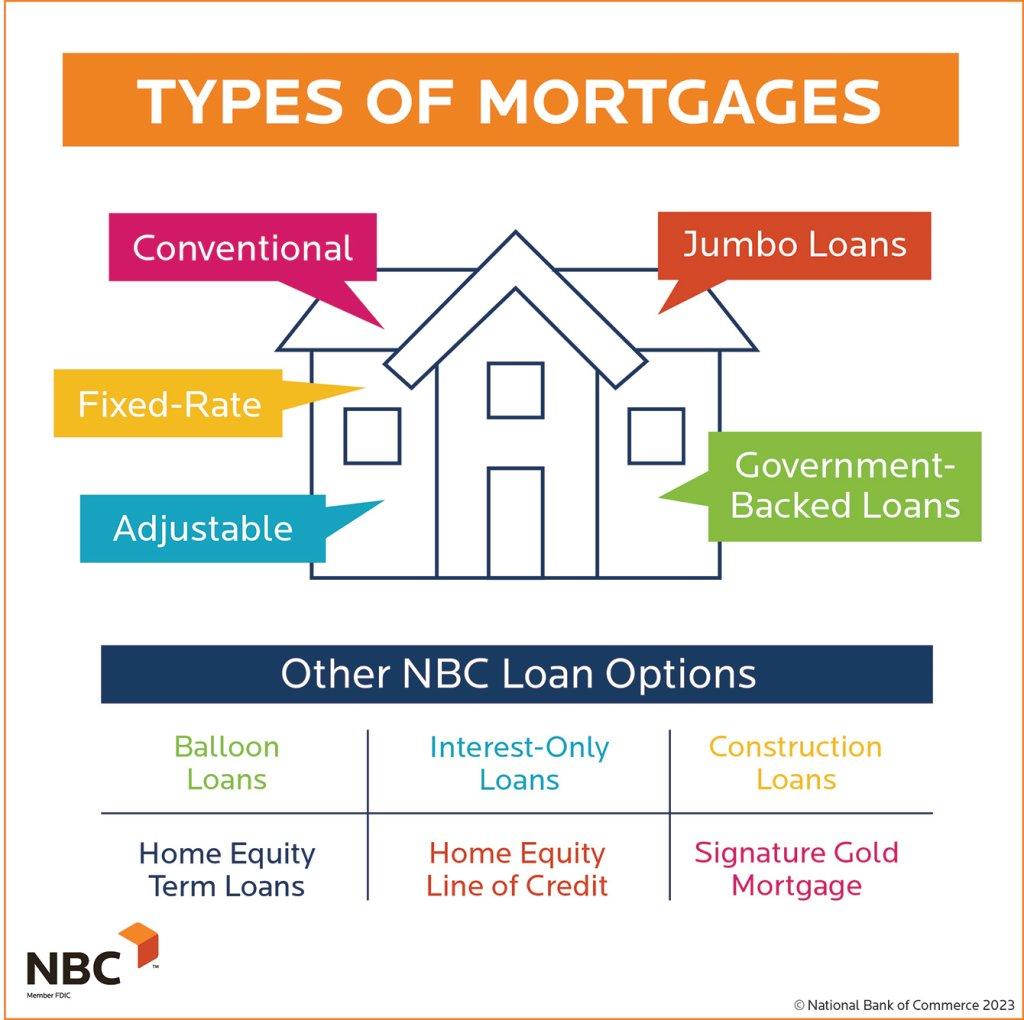
- Loan Types: Identification of suitable loan options based on the borrower’s needs.
| Factor | Importance |
|---|---|
| Credit Score | Critical for determining loan eligibility and interest rates. |
| Income Verification | Essential for assessing payment capability. |
| Debt-to-Income Ratio | Indicates financial stability and potential loan amount. |
| Employment History | Demonstrates job stability and reliability. |
Key Documentation and Eligibility Criteria for Pre-Approval
To navigate the pre-approval process for a real estate loan successfully, specific documentation is vital. Potential borrowers typically need to provide the following key documents:
- Proof of Identity: Valid government-issued ID, such as a driver’s license or passport.
- Income Verification: Recent pay stubs, W-2 forms, or tax returns for self-employed individuals.
- Credit History: While lenders will conduct their own checks, providing a recent credit report can expedite the process.
- Employment Verification: A letter from your employer confirming your position and salary may be required.
Eligibility criteria for pre-approval consist of several factors that lenders evaluate to determine your mortgage worthiness. These criteria generally include:
| Criteria | Details |
|---|---|
| Credit Score | Most lenders require a minimum score typically between 620 and 740. |
| Debt-to-Income Ratio | Generally,a ratio below 43% is preferred. |
| Down Payment | A down payment of at least 3-20% is commonly required, depending on the loan type. |
| Employment Stability | A stable employment history for at least two years is typically looked for. |
Assessment of Creditworthiness and Financial Stability
When seeking a real estate loan,lenders conduct a meticulous evaluation of an applicant’s creditworthiness and financial stability to mitigate risks. this assessment typically involves examining the following key elements:
- Credit Score: A vital metric that reflects financial behavior, indicating the likelihood of repayment.
- Debt-to-Income Ratio (DTI): A calculation that compares monthly debt payments to gross monthly income, helping lenders gauge the applicant’s ability to manage additional debt.
- Employment History: Stability in employment suggests reliable income, often favorably influencing a lender’s decision.
- Assets and Savings: The presence of substantial assets and savings can bolster confidence in an applicant’s financial resilience.
Furthermore, lenders may employ a comprehensive approach by analyzing additional factors such as payment history, loan-to-value ratio, and any potential red flags observed in credit reports. This multi-faceted evaluation helps in constructing a well-rounded view of the applicant’s financial health. The following table outlines common elements considered in this analysis:
| Factor | Description |
|---|---|
| Credit Score | Numerical representation of creditworthiness range from 300 to 850. |
| DTI Ratio | Percentage of income allocated to debt obligations. |
| Employment Stability | Duration and reliability of current job or profession. |
| assets | Value of savings, investments, and other owned properties. |
Strategies for streamlining the Pre-Approval Process
To enhance efficiency in the pre-approval process, begin by organizing all necessary documentation upfront.Collect crucial financial documents such as income statements, tax returns, bank statements, and proof of assets. Having these documents readily available can substantially reduce delays and expedite your application. additionally,consider using digital tools and software specifically tailored for the real estate industry that allow for the seamless upload and sharing of documents. This not only saves time but also minimizes paper clutter,making it easier for all parties involved to access information quickly.
Another effective strategy is to establish clear lines of communication among all stakeholders. Frequent updates and open dialogues between lenders, real estate agents, and clients can proactively address potential issues before they escalate.To streamline requirements, create a checklist that outlines all steps and necessary materials for the pre-approval. Implementing a workflow chart can also clarify each party’s responsibilities and timelines. Below is a simple checklist table that outlines essential steps in the process:
| Step | Description |
|---|---|
| document Collection | gather all necessary financial documents. |
| application Submission | Submit a complete loan application form. |
| Pre-Approval Review | Wait for lender assessment and feedback. |
| Client Communication | Keep all parties informed throughout the process. |
Final thoughts
navigating the real estate loan pre-approval process is a critical step for prospective homeowners and investors alike. Understanding the intricacies of credit evaluation, documentation requirements, and the potential impacts of interest rates can significantly enhance your preparation and confidence.A well-informed borrower is better equipped to make strategic decisions that align with their financial goals. By securing a pre-approval, not only do you signal to sellers your serious intent, but you also gain a clearer viewpoint on your budget, paving the way for a more streamlined purchasing experience. As the real estate landscape continues to evolve, staying abreast of these essential insights will empower you to maneuver the market with greater efficacy, ensuring a triumphant transaction. Should you require further guidance or wish to explore specific financing options, consulting with a financial advisor or mortgage professional is always advisable.