

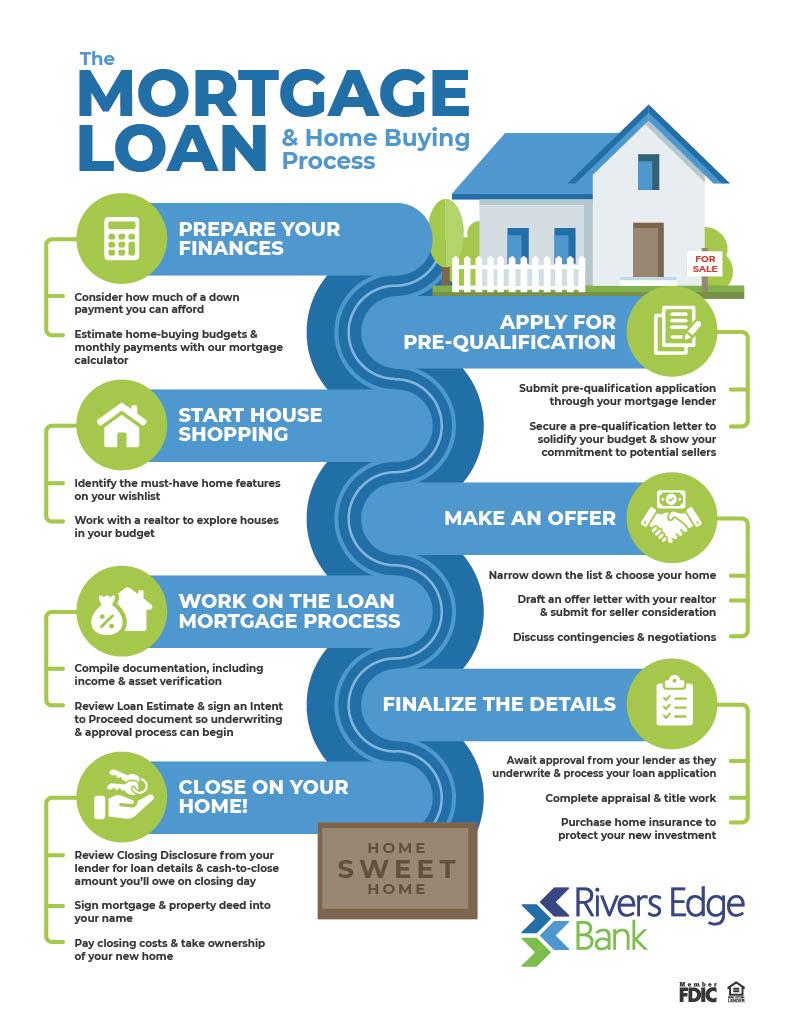
Navigating the mortgage qualification process can be complex,especially for individuals with bad credit. In an environment where homeownership remains a pivotal aspect of achieving financial security and stability, understanding the intricacies of mortgage loans alongside the challenges presented by poor credit history is essential. This article aims to provide a comprehensive guide for prospective homebuyers facing credit challenges, outlining the options available, the steps necessary for improving one’s credit standing, and the practical strategies to enhance the likelihood of mortgage approval. By equipping readers with the knowledge and resources needed, we hope to empower them to take informed steps toward owning their own homes, despite the hurdles that may arise from bad credit.
table of Contents
- Understanding the Impact of Bad Credit on Mortgage Qualification
- Exploring Alternative Mortgage Options for Borrowers with Bad Credit
- Strategies to Improve Credit Scores Before Applying for a Mortgage
- Preparing Financial Documentation to Strengthen Your Mortgage Application
- In Summary
Understanding the Impact of Bad Credit on Mortgage Qualification
when considering a mortgage application, lenders place notable emphasis on credit scores.A low credit score can limit options for prospective homebuyers, making it more challenging to secure a favorable mortgage rate or even qualify for a loan altogether. This is largely due to the perception that individuals with bad credit pose a higher risk to lenders. In the context of mortgage qualification, this often translates into stricter requirements, such as higher down payments and higher interest rates, wich can further complicate the homebuying process for those with less than stellar credit histories.
Potential homebuyers with bad credit should also be aware of how their credit issues can affect other aspects of the mortgage process. The implications of bad credit on mortgage qualification may include:
- Increased scrutiny during the application process
- Limited options for loan types
- Potential for loan rejection
In many cases, borrowers may need to explore alternative financing options or programs designed to assist those with poor credit. Understanding these factors is crucial for devising a strategic plan, as it allows individuals to improve their credit standing or seek specialized lenders that may offer more lenient terms.
Exploring Alternative Mortgage Options for Borrowers with Bad Credit
When traditional lending avenues are inaccessible due to poor credit history, borrowers should consider alternative mortgage options that offer flexibility and tailored solutions. One viable path is the use of private lenders, who may impose less stringent credit requirements than banks.Their willingness to negotiate terms can provide essential leeway for borrowers seeking a mortgage. Additionally, exploring FHA loans is crucial, as these government-backed mortgages typically allow for lower credit scores and down payments while still offering competitive interest rates. Familiarity with subprime mortgages is also beneficial, as these loans are specifically designed for individuals with bad credit and can act as a stepping stone toward improved financial standing.
Borrowers looking for alternative financing should also keep in mind the potential of rent-to-own agreements, which provide the prospect to lease a property with the option to purchase later. This arrangement allows the borrower to build their credit and save for a larger down payment over time. additionally, considering a co-signer can enhance the likelihood of securing favorable mortgage terms, with the co-signer’s credit history offsetting the borrower’s deficiencies. Furthermore, many lenders offer hard money loans, which are asset-based and do not focus heavily on credit scores; however, they often come with higher interest rates. Ultimately, these options can definitely help pave the way for borrowers to achieve homeownership, despite the hurdles posed by their credit history.
Strategies to Improve Credit Scores Before Applying for a Mortgage
Improving your credit score before applying for a mortgage is crucial, especially if you have a less-than-stellar history. Begin by addressing any outstanding debts. Focus on paying down high credit card balances as this can significantly affect your credit utilization ratio,which ideally should be below 30%. Additionally, ensure that all bills are paid on time; set up reminders or automate payments to avoid missed deadlines. If you have any collections or late payments,reach out to creditors to negotiate settlements or request the removal of negative marks,which can also positively impact your score.
Next, review your credit report carefully for any inaccuracies or errors that might potentially be dragging your score down. You are entitled to a free report annually from each of the three major credit bureaus. Dispute any discrepancies you find; correcting these can lead to a quick improvement. Furthermore, consider becoming an authorized user on a family member’s credit card with a good payment history. This adds their positive credit details to your report, aiding in raising your score. limit any new credit inquiries before applying for a mortgage, as excessive applications can be viewed unfavorably by lenders.
Preparing Financial Documentation to Strengthen Your Mortgage Application
When applying for a mortgage, especially with a low credit score, having complete and accurate financial documentation is crucial. Lenders assess your ability to repay the loan based on your financial history and current circumstances. Providing comprehensive documentation will not only enhance your credibility but also expedite the approval process. Essential documents include:
- Proof of Income: Recent pay stubs, tax returns, and profit/loss statements if self-employed.
- Bank Statements: Statements from the past few months to show your savings and transactions.
- Debt Information: Documentation of current debts, including credit cards, loans, and any outstanding bills.
- Identification: A valid government-issued ID and your Social Security number.
It is also helpful to provide additional supporting documents that demonstrate financial obligation. These may include a history of on-time bill payments, rental payment history, or statements from financial advisors. Organized documentation can greatly improve your chances of securing a mortgage despite credit challenges. Consider using a simple table to summarize your financial overview:
| Document Type | Description |
|---|---|
| income Verification | Pay stubs or tax returns from the last two years |
| Bank Statements | Statements from the last three to six months |
| Debt Statements | List of current debts and monthly payments |
| ID Verification | Government-issued ID and Social Security number |
In Summary
navigating the mortgage qualification process with bad credit can be a complex and challenging journey. However, it is essential to remember that while a low credit score may present obstacles, it does not preclude the possibility of homeownership. By understanding the various options available, such as FHA loans, subprime lenders, and the importance of improving your credit score, you can better position yourself to achieve your goals.
Moreover, seeking guidance from financial advisors or mortgage professionals can provide invaluable insight and support tailored to your unique situation. With diligence and informed decision-making,it is indeed possible to secure a mortgage that meets your needs despite past credit challenges. Ultimately, perseverance and a proactive approach can pave the way to prosperous homeownership, providing both stability and a sense of accomplishment for those willing to invest the necessary effort.