

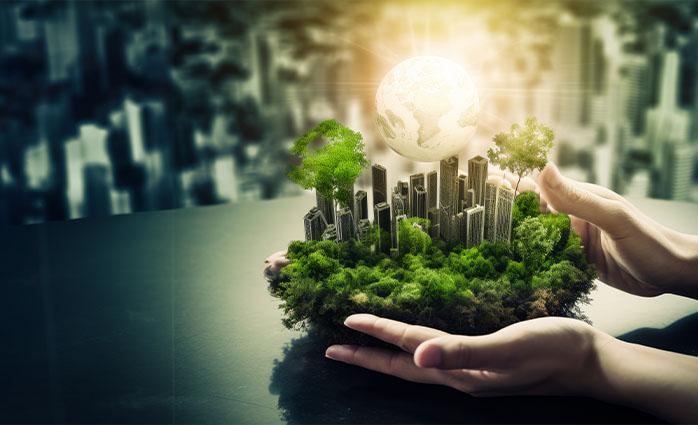
In today’s rapidly evolving world, the conversation around sustainability has transcended environmental circles and seeped into nearly every industry—most notably, real estate development. As urban populations grow and the demand for housing increases, the way we build and manage our living spaces has become more critical than ever. Sustainable practices are no longer just a trend; they are an essential component of responsible development. Not only do these practices mitigate environmental impact, but they also offer long-term economic benefits and elevate the quality of life for communities. In this article, we will explore why embracing sustainability in real estate development is not just a choice, but a necessity for future-proofing our cities and ensuring a healthier planet for generations to come. Join us as we delve into the compelling reasons that make sustainable development a pivotal aspect of the modern real estate landscape.
Table of Contents
- The Economic Benefits of Sustainable Real Estate Development
- Integrating Green Building Standards for Long-Term Value
- Enhancing Community Well-Being through Eco-Friendly Practices
- Promoting Environmental Stewardship in Property Management
- Insights and Conclusions
The Economic Benefits of Sustainable Real Estate Development
The shift towards sustainable real estate development is not just an ethical imperative; it also presents significant economic advantages that can lead to long-term profitability. Properties designed with sustainability in mind typically incur lower operational costs due to reduced energy consumption and water usage. Furthermore, they can command higher market values and rental rates because an increasing number of consumers and businesses prioritize eco-friendly features. This trend is evident as more developers are incorporating advanced green technologies like solar panels and efficient HVAC systems, creating spaces that are not only energy-efficient but also desirable to tenants.
Moreover, sustainable developments can significantly boost local economies. By prioritizing sustainable practices, developers contribute to job creation in emerging green industries and construction sectors that focus on energy-efficient materials and technologies. Additionally, sustainable real estate can enhance community appeal, drawing in more residents and businesses, which in turn stimulates local commerce. This eco-centric development strategy fosters an environment conducive to economic growth, creating a virtuous cycle where sustainable practices benefit the environment while simultaneously bolstering local and regional economies.
Integrating Green Building Standards for Long-Term Value
Embracing green building standards is not just a trend; it is a strategic move that amplifies long-term value for real estate developments. By integrating sustainability into design and construction, developers can enhance the overall appeal of their properties. This approach addresses the growing consumer demand for environmentally-conscious living spaces, leading to increased occupancy rates and tenant satisfaction. Key components of green building standards often include:
- Energy efficiency: Utilization of renewable energy sources and efficient appliances.
- Water conservation: Implementation of low-flow fixtures and rainwater harvesting.
- Resource management: Use of sustainable materials and waste reduction techniques.
- Indoor air quality: Advanced ventilation systems and non-toxic materials.
Moreover, properties that adhere to these standards have been shown to yield a higher return on investment. Not only do they enjoy lower operational costs due to reduced energy and water usage, but they also attract discerning buyers and tenants who prioritize sustainability. Additionally, many green certifications can unlock financial incentives, such as tax credits and grants, which enhance economic viability. Below is a summary of some popular green certification programs and their benefits:
| Certification Program | Benefits |
|---|---|
| LEED (Leadership in Energy and Environmental Design) | International recognition, increased property value, and access to incentives. |
| BREEAM (Building Research Establishment Environmental Assessment Method) | Enhances sustainability reputation, improves energy efficiency. |
| Green Globes | Flexible assessment, improved building performance. |
Enhancing Community Well-Being through Eco-Friendly Practices
Adopting eco-friendly practices in real estate development not only nurtures the environment but also fosters a sense of community well-being. By prioritizing sustainability, developers can create spaces that benefit the inhabitants and the ecosystems they inhabit. This approach leads to healthier living conditions, such as improved air quality, reduced noise pollution, and increased access to green spaces. Communities designed with nature in mind encourage residents to engage with their surroundings, which can enhance mental health and social cohesion.
Moreover, sustainable practices also provide economic advantages that resonate throughout the community. Properties that incorporate renewable energy sources, water conservation techniques, and sustainable materials tend to have lower utility costs and higher property values. Local economies benefit from the creation of green jobs and support for businesses that adhere to environmentally responsible practices. Below is a table highlighting the benefits of eco-friendly real estate developments:
| Benefit | Description |
|---|---|
| Health Improvement | Enhanced air quality and reduced toxins. |
| Cost Savings | Lower energy and water bills for residents. |
| Increased Property Value | Higher resale potential due to sustainable features. |
| Community Cohesion | Promotes social interactions through shared green spaces. |
Promoting Environmental Stewardship in Property Management
In the realm of property management, embracing sustainable practices not only fosters a healthier environment but also boosts the bottom line. Property managers have a pivotal role in driving the shift toward greener living spaces by integrating eco-friendly solutions into their operations. This commitment can manifest in various ways, such as:
- Implementing Energy-Efficient Systems: Utilizing smart technologies and energy-efficient appliances can significantly reduce utility costs while minimizing carbon footprints.
- Incorporating Green Landscaping: Choosing native plants and sustainable landscaping techniques can enhance biodiversity and require less water, making properties more resilient to climate change.
- Promoting Recycling Programs: Encouraging residents to participate in waste reduction efforts helps create a community culture focused on sustainability.
By adopting these practices, property managers can not only improve tenant satisfaction and retention but also increase property value over time. A proactive approach to environmental stewardship can attract socially conscious investors and buyers, ultimately leading to a competitive edge in the market. For instance, properties equipped with green certifications have shown a remarkable increase in demand, leading to:
| Type of Certification | Increase in Demand (%) |
|---|---|
| LEED Certified | 20% |
| BREEAM Rated | 15% |
| Green Globes | 10% |
by prioritizing sustainability, property management professionals can lead the charge towards a more responsible and prosperous real estate sector.
Insights and Conclusions
embracing sustainable practices in real estate development is not just an ethical choice—it’s a necessary one for a resilient future. As we face environmental challenges, the integration of eco-friendly methods in construction and urban planning becomes paramount. Not only do these practices conserve precious resources and protect our ecosystems, but they also enhance the value of properties, cultivate healthier communities, and support long-term economic viability.
Real estate developers, policymakers, and stakeholders must prioritize sustainability in their projects to ensure the well-being of future generations. By committing to innovative solutions that respect our environment, we can transform the industry into a driving force for positive change.
Let’s champion sustainability in every aspect of development and contribute to building a greener, more sustainable world. Together, we can pave the way for responsible growth that aligns with the needs of both people and the planet. Thank you for joining us on this journey towards a more sustainable future in real estate development.