

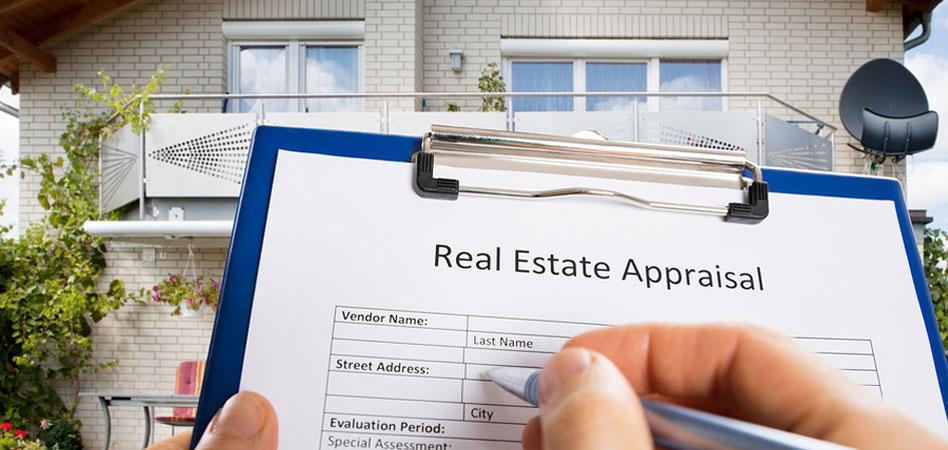
In the dynamic landscape of real estate, understanding the fluctuations in property values is crucial for stakeholders ranging from investors to homeowners and appraisers. “” delves into the intricacies of how market dynamics, economic conditions, and demographic shifts influence appraisal values over time. By examining monthly patterns, we uncover not only the immediate factors driving price changes but also the long-term trends that shape the real estate market. This analytical discourse aims to equip readers with the insights necessary to navigate the complexities of property valuation, enabling informed decision-making and strategic investments in an ever-evolving market. Through rigorous data analysis and trend exploration, we will elucidate the patterns that define the appraised value of properties, offering a comprehensive understanding of what drives real estate appraisal values month by month.
Table of Contents
- Understanding Monthly Fluctuations in Real Estate Appraisal Values
- Identifying Key Influencers of Value Changes in a Dynamic Market
- Evaluating Regional Variations and Their Impact on Appraisal Trends
- Strategic Recommendations for Stakeholders Based on Trend Analysis
- Insights and Conclusions
Understanding Monthly Fluctuations in Real Estate Appraisal Values
Understanding the patterns and reasons behind monthly fluctuations in real estate appraisal values is essential for stakeholders in the industry. The real estate market is inherently dynamic, influenced by a range of factors that can cause variations in appraisals. Seasonal trends, for example, often play a crucial role. During warmer months, housing demand typically peaks, driven by families looking to relocate before the new school year. This surge in demand can lead to increases in property values, which can drop in the colder months as fewer buyers enter the market. Other contributing factors include:
- Local Economic Conditions: Employment rates and economic growth can bolster housing demand.
- Interest Rates: Fluctuations in mortgage rates can influence buyer purchasing power.
- Inventory Levels: A lower supply of homes can heighten competition and increase values.
- Market Sentiment: Buyer confidence can fluctuate based on broader economic indicators.
To illustrate these points, consider the table below, which summarizes hypothetical appraisal values over six months in a specific market:
| Month | Appraisal Value ($) |
|---|---|
| January | 250,000 |
| February | 255,000 |
| March | 260,000 |
| April | 265,000 |
| May | 270,000 |
| June | 275,000 |
This pattern demonstrates a clear upward trend coinciding with the spring months, reflecting increased buyer activity and demand. Understanding these fluctuations can empower appraisers, buyers, and sellers alike to make informed decisions and anticipate market shifts better.
Identifying Key Influencers of Value Changes in a Dynamic Market
In the ever-evolving landscape of real estate, several key factors can significantly influence appraisal values. Understanding these influencers is crucial for stakeholders aiming to navigate market fluctuations effectively. Among the most critical elements are:
- Economic Conditions: The overall economic climate, including employment rates and consumer confidence, directly impacts buyer demand and, consequently, property values.
- Interest Rates: Fluctuations in mortgage rates can either stimulate or hinder purchaser activity, altering the demand-supply dynamics.
- Local Market Trends: Neighborhood-specific developments, such as new schools or infrastructure projects, can drastically affect localized property values.
Additionally, social factors play a pivotal role. Demographic shifts, changes in lifestyle preferences, and the rise of remote work have redefined buyer priorities. For a deeper understanding of how these parameters interact, analyzing empirical data can offer insights into valuation trends. The table below summarizes key metrics observed over the past three months:
| Month | Average Appraisal Value | Interest Rate (%) | Unemployment Rate (%) |
|---|---|---|---|
| September | $350,000 | 3.5 | 4.1 |
| October | $360,000 | 3.6 | 3.9 |
| November | $370,000 | 3.7 | 3.8 |
Evaluating Regional Variations and Their Impact on Appraisal Trends
Regional variations in real estate markets profoundly influence appraisal trends, highlighting discrepancies in property values driven by a variety of local factors. These may include economic conditions, demographics, regional policies, and local amenities. For instance, areas experiencing robust job growth and increasing population density often see a surge in property values, while regions plagued by economic decline may witness stagnant or declining appraisal values. Recognizing and analyzing these distinctions is essential for stakeholders aiming to develop strategic investment plans. Key aspects that impact regional variations can be summarized as follows:
- Supply and Demand Dynamics: A limited housing supply alongside rising demand typically drives prices higher.
- Local Economic Indicators: Employment rates and income levels play critical roles in shaping market confidence.
- Community Factors: Proximity to schools, healthcare, and recreational facilities significantly affects desirability.
To illustrate the correlation between regional variations and appraisal trends further, we can examine a comparative analysis of selected markets over the past year. The following table outlines the average appraisal values in different regions, showcasing the disparities that can inform investors and appraisers alike:
| Region | Average Appraisal Value (USD) | Year-On-Year Change (%) |
|---|---|---|
| Urban Area A | $450,000 | 8.5% |
| Suburban Region B | $320,000 | 5.2% |
| Rural Area C | $220,000 | -2.0% |
This data underscores the importance of closely monitoring appraisal trends on a regional basis, as variations can lead to significantly different investment outcomes and necessitate tailored valuation approaches.
Strategic Recommendations for Stakeholders Based on Trend Analysis
In the evolving landscape of real estate appraisals, stakeholders must adapt their strategies to stay ahead of fluctuations in market trends. By leveraging historical data and current market insights, investors and real estate professionals can make informed decisions that align with the projected growth trajectories. Key strategies include:
- Diversification: Explore mixed-use properties and varied geographical markets to mitigate risks.
- Enhanced Due Diligence: Invest in comprehensive market analysis before acquisitions, focusing on areas with upward appraisal trends.
- Technology Integration: Utilize advanced appraisal software and data analytics tools to streamline processes and improve accuracy.
Furthermore, continuous engagement with local market trends is imperative for appraisers and real estate agents. Stakeholders should regularly review appraisal values to identify patterns that indicate emerging opportunities or potential downturns. Recommended actions for sustained growth include:
| Action Item | Expected Outcome |
|---|---|
| Monthly Market Review | Identify shifts in demand and value appreciation. |
| Networking with Local Developers | Gain insights into upcoming projects that may affect regional valuations. |
| Consumer Behavior Analysis | Adjust strategies based on changing buyer preferences and purchasing power. |
Insights and Conclusions
the analysis of monthly trends in real estate appraisal values underscores the intricate interplay between various market forces, economic indicators, and regional nuances that shape property valuations. By closely monitoring these trends, stakeholders—including investors, appraisers, and policymakers—can gain invaluable insights that inform decision-making processes and strategic planning.
The fluctuations in appraisal values not only reflect the current state of the real estate market but also provide foresight into potential future movements. It is imperative that industry professionals remain vigilant in their analysis, leveraging data-driven methodologies to interpret shifts accurately and anticipate the implications on both short-term and long-term investment strategies.
As the market continues to evolve in response to external pressures such as economic conditions, interest rates, and consumer demand, maintaining a strong analytical framework will be essential for navigating the complexities of real estate appraisal. Ultimately, a robust understanding of these trends will empower stakeholders to capitalize on opportunities, mitigate risks, and foster sustainable growth in an ever-changing landscape.