

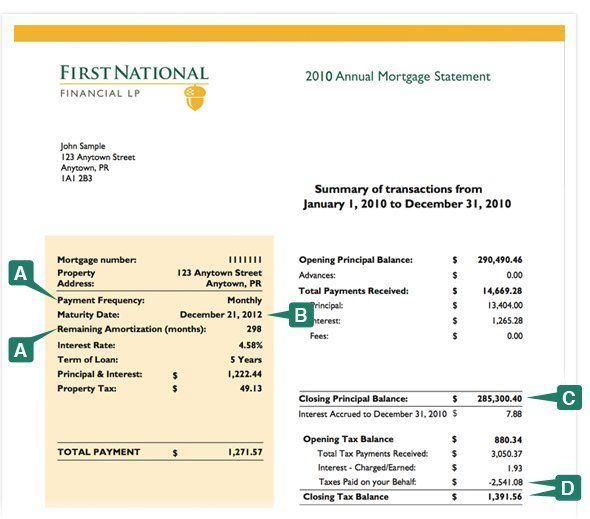
Understanding your mortgage statement is essential for any homeowner, yet many find the intricacies of these documents daunting. As one of the most significant financial commitments many individuals undertake, mortgages come with a myriad of terms, figures, and breakdowns that can be perplexing. This comprehensive guide aims to demystify the components of your mortgage statement, providing clarity on crucial elements such as principal, interest, taxes, and insurance. By equipping homeowners with the knowledge needed to decode their statements, we aim to empower them to manage their finances more effectively, make informed decisions, and ultimately, enhance their financial literacy in the realm of real estate. Whether you are a first-time homeowner or have years of experience, this guide serves as a valuable resource for understanding the vital information contained within your mortgage statement.
Table of Contents
- Understanding the Key Components of Your Mortgage Statement
- Analyzing Interest and Principal Payments for Financial Clarity
- Identifying Fees and Charges to Avoid Unexpected Costs
- Strategies for Effective Record-Keeping and Future Planning
- Future Outlook
Understanding the Key Components of Your Mortgage Statement
Deciphering your mortgage statement can initially appear daunting, but understanding its key components is essential for managing your loan effectively. Each statement typically includes several important sections that contribute to your overall mortgage picture. Key elements to examine include:
- Loan Summary: This section details the original loan amount, current balance, and interest rate.
- Payment Breakdown: It outlines how your monthly payment is divided among principal, interest, taxes, and insurance.
- Escrow Account: If applicable, this part shows contributions and disbursements for property taxes and homeowners insurance.
- Payment History: A record of your payments can help identify any late fees or discrepancies.
Moreover, additional fees or adjustments may be included in the statement. To illustrate these components, the following table summarizes a typical mortgage payment breakdown:
| Payment Type | Amount |
|---|---|
| Principal | $500 |
| Interest | $300 |
| Property Taxes | $200 |
| Homeowners Insurance | $100 |
| Total Payment | $1,100 |
Analyzing Interest and Principal Payments for Financial Clarity
Understanding the components of your mortgage payment is essential for effective financial planning. Typically, each mortgage payment consists of both principal and interest portions. The principal is the amount that reduces your original loan balance, while the interest is the cost of borrowing that money, calculated as a percentage of the remaining loan balance. Over time, as you make regular payments, a larger portion of your payment will go towards the principal, thus accelerating the process of building equity in your home. Here’s what you need to keep in mind:
- Principal Reduction: This indicates how much the mortgage balance is being lowered with each payment.
- Interest Paid: This shows the cost incurred for borrowing the principal amount, which is typically higher in the early years of the loan.
- Amortization Schedule: This outlines how the principal and interest proportions change over the life of the loan.
To better illustrate this, consider the following table showcasing an example of how your payments are allocated in different periods of your mortgage:
| Payment Period | Principal Payment | Interest Payment | Total Payment |
|---|---|---|---|
| 1st Year | $2,000 | $3,000 | $5,000 |
| 5th Year | $3,500 | $1,500 | $5,000 |
| 10th Year | $4,500 | $500 | $5,000 |
This breakdown not only sheds light on the cost of homeownership over time but also helps you evaluate your financial strategy. By regularly monitoring these elements, you can make informed decisions about refinancing options, strategies for additional payments, or even reassessing your budget to optimize your loan repayment process.
Identifying Fees and Charges to Avoid Unexpected Costs
Understanding your mortgage statement is crucial to ensuring you are fully aware of the costs associated with your loan. Mortgages often come with a variety of fees that can catch borrowers off-guard if not adequately scrutinized. Here are some common charges to look out for:
- Origination Fees: Fees charged by the lender for processing your loan application.
- Underwriting Fees: Costs related to the evaluation of your loan application.
- Servicing Fees: Monthly charges for managing your mortgage account.
- Escrow Fees: Costs associated with managing property taxes and insurance payments.
- Prepayment Penalties: Charges that may apply if you pay off your loan early.
Additionally, some fees can vary significantly based on lender practices or location, making it essential to do thorough research. Consider reviewing the following table for the average ranges of common fees:
| Fee Type | Average Cost |
|---|---|
| Origination Fee | $1,000 – $3,000 |
| Underwriting Fee | $400 – $600 |
| Servicing Fee | $10 – $30 per month |
| Escrow Fee | $300 – $700 |
| Prepayment Penalty | Varies by lender |
Strategies for Effective Record-Keeping and Future Planning
Effective record-keeping is crucial for managing your mortgage and ensuring you make informed financial decisions. Start by creating a systematic approach to documenting all your mortgage-related information. Consider maintaining a digital file that includes:
- Mortgage Agreement: Keep a copy of your original mortgage documents.
- Payments History: Track all your payments, noting dates and amounts paid.
- Interest Rate Changes: Record and monitor any shifts in your interest rates.
- Property Taxes and Insurance: Document expenses related to property tax and homeowners insurance.
Future planning is equally important as it helps you prepare for upcoming financial commitments and potential refinancing opportunities. To facilitate this, develop a schedule for regular reviews of your mortgage status and financial health. You may want to use the following table to project your financial landscape:
| Year | Projected Payment | Cumulative Payments | Loan Balance |
|---|---|---|---|
| 2024 | $18,000 | $18,000 | $182,000 |
| 2025 | $18,000 | $36,000 | $164,000 |
| 2026 | $18,000 | $54,000 | $146,000 |
Utilizing this information allows you to have a clearer picture of your mortgage journey while preparing for future milestones or adjustments you may need to make. An organized approach to record-keeping and future planning can provide peace of mind and ensure long-term financial stability.
Future Outlook
understanding your mortgage statement is essential for making informed financial decisions and effectively managing your home loan. By familiarizing yourself with the various components, including principal, interest, taxes, and insurance, you can gain greater clarity on your financial obligations and performance.
As we outlined in this comprehensive guide, regularly reviewing your mortgage statement allows you to identify potential discrepancies, track your payment progress, and evaluate your overall financial health. Whether you’re considering refinancing, planning to sell, or simply seeking to optimize your payments, being well-informed empowers you to take control of your mortgage experience.
We encourage you to approach each statement critically and utilize the knowledge gained from this guide to navigate your mortgage journey with confidence. Should you have further questions or require personalized assistance, do not hesitate to reach out to your mortgage provider or a financial advisor for support. By leveraging the information at your disposal, you’ll be better equipped to make strategic decisions that align with your long-term financial goals.