

Introduction:
As the real estate market continues to present lucrative investment opportunities, many individuals and groups are turning to syndication as a means to pool resources and capitalize on these prospects. However, successfully navigating the complexities of real estate syndication requires not only a deep understanding of the market but also a firm grasp of the legal frameworks that govern these investments. This article serves as a comprehensive guide to legally structuring your real estate syndication, offering insight into the essential components, regulatory requirements, and best practices that will help ensure compliance while maximizing the potential for profitability. By addressing key considerations such as entity formation, securities regulations, and investor relations, this guide aims to equip both seasoned investors and newcomers with the knowledge necessary to embark on their syndication journey with confidence and clarity.
Table of Contents
- Understanding the Legal Framework for Real Estate Syndication
- Selecting the Appropriate Business Entity for Your Syndication
- Navigating Securities Regulations and Compliance Requirements
- Establishing Clear Operating Agreements and Investor Relations
- Key Takeaways
Understanding the Legal Framework for Real Estate Syndication
Real estate syndication involves pooling resources from multiple investors to fund property acquisitions, but it is crucial to navigate the complex legal landscape to ensure compliance and protect all parties involved. Each syndication structure must adhere to federal and state securities laws, primarily governed by the Securities and Exchange Commission (SEC). This often means that syndicators must either register their offerings or fit within specific exemptions, such as Regulation D, which allows for private placements. Potential investors should also be classified properly—accredited investors or non-accredited investors may have different regulations applying to them, thus influencing the type of information that must be disclosed.
Moreover, a well-defined legal framework not only secures investor interests but also establishes clear operational guidelines. A typical syndication agreement will include the following elements:
- Offering Memorandum: A detailed document outlining the investment opportunity and associated risks.
- Operating Agreement: A contract that specifies the management structure and individual responsibilities.
- Securities Purchase Agreement: A form that governs the terms under which investors purchase equity in the syndication.
Communicating all terms and disclosures effectively is necessary for maintaining transparency and mitigating disputes. Regular compliance checks and legal audits can further enhance the syndication’s credibility and operational integrity.
Selecting the Appropriate Business Entity for Your Syndication
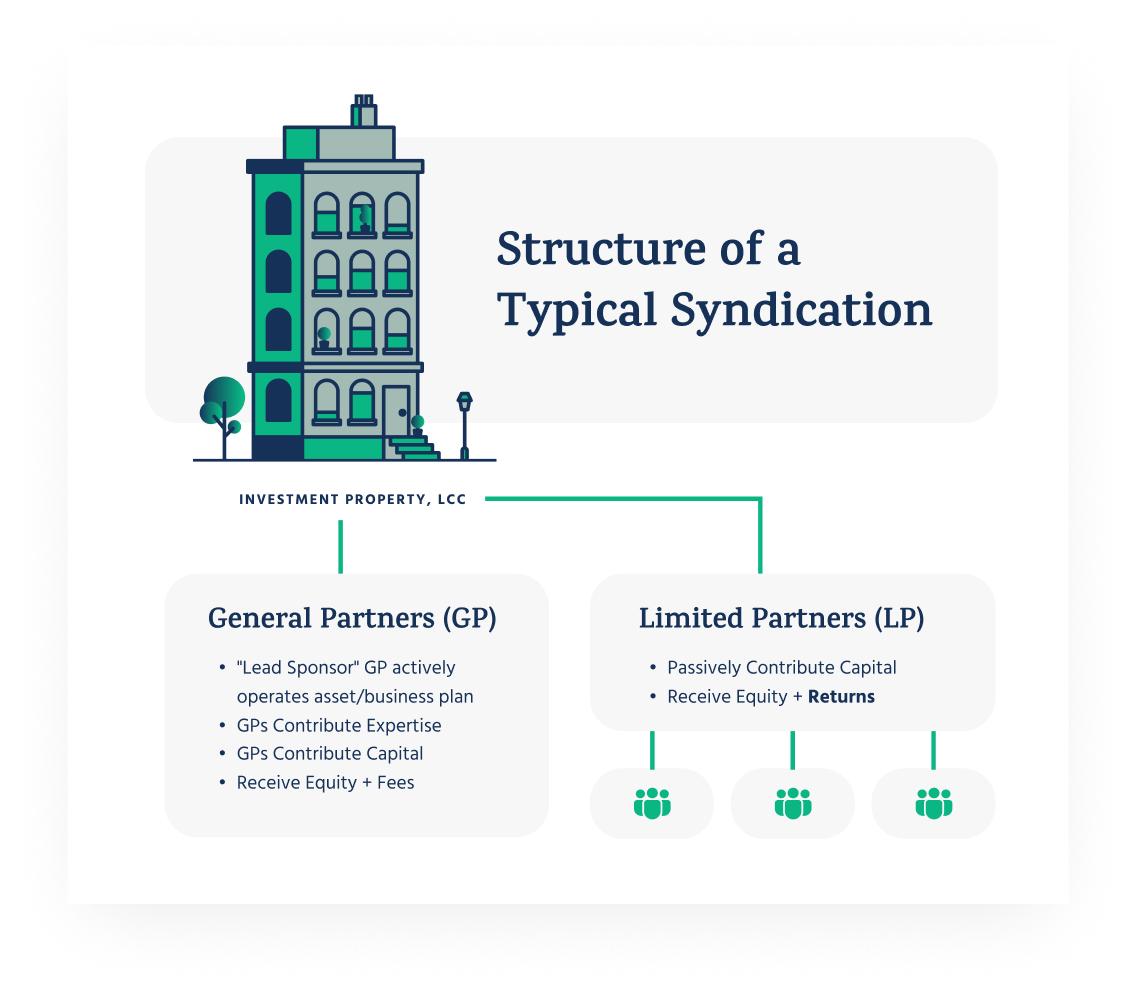
When embarking on a real estate syndication venture, the selection of the right business entity is crucial for legal protection, tax implications, and operational efficiency. Commonly considered entities include Limited Liability Companies (LLCs), Limited Partnerships (LPs), and Corporations. Each structure comes with its own set of advantages and disadvantages that should be assessed based on the specific goals and circumstances of the syndication. For instance, LLCs offer flexibility and protect personal assets from lawsuits, while LPs provide a more straightforward partnership structure with clear delineation between general and limited partners. Understanding these nuances is essential for aligning your syndication with your investment strategy.
Furthermore, tax implications play a significant role in the decision-making process. Depending on the chosen entity, the syndication could benefit from pass-through taxation, where profits and losses are passed directly to investors without being taxed at the corporate level. Below is a brief comparison of the key characteristics of various business entities suitable for real estate syndications:
| Entity Type | Liability Protection | Tax Treatment | Management Structure |
|---|---|---|---|
| LLC | Yes | Pass-through | Flexible |
| LP | Yes (Limited Partners) | Pass-through | General Partner manages |
| Corporation | Yes | Double taxation | Formal structure |
Navigating Securities Regulations and Compliance Requirements
Understanding the complex landscape of securities regulations is crucial for successfully structuring a real estate syndication. The primary regulatory body, the U.S. Securities and Exchange Commission (SEC), mandates that any offering of investment opportunities must comply with applicable laws to protect investors. Engaging the right legal counsel is essential, as they can help navigate the nuances of federal and state securities laws. When structuring your syndication, consider the following core principles:
- Private Placement Exemptions: Explore Regulation D under SEC rules, which allows for exemptions from full SEC registration.
- Accredited Investors: Ensure that the investors you target meet the criteria stipulated by the SEC, typically requiring a certain income or net worth.
- Disclosure Requirements: Prepare comprehensive offering documents that outline potential risks, returns, and financial projections to enhance transparency.
Ensuring compliance with state regulations is equally vital, as these can vary significantly. Many states require a notice filing, while others have specific regulations for syndications. A thorough understanding of the “Blue Sky Laws” in each state where you plan to solicit investments is needed to avoid legal repercussions. Below is a simple overview of critical factors to keep in mind:
| Factors | Federal Compliance | State Compliance |
|---|---|---|
| Offering Type | Regulation D, 506(b) or 506(c) | Blue Sky Law Requirements |
| Investor Criteria | Accredited vs. Non-Accredited | Varies by State |
| Filing Requirements | Form D Filing | Notice Filings and Fees |
Establishing Clear Operating Agreements and Investor Relations
Establishing comprehensive operating agreements is crucial for the smooth functioning of a real estate syndication. These agreements serve as the backbone of your venture, outlining the roles, responsibilities, and expectations of all parties involved. By defining terms clearly, such agreements can help prevent misunderstandings and foster a cooperative atmosphere among investors. Key components to consider in your operating agreement include:
- Ownership Structure: Detail the percentage of ownership allocated to each investor.
- Profit Distribution: Specify how profits will be shared among investors.
- Decision-Making Authority: Outline the process by which investment decisions will be made.
- Exit Strategies: Clarify how investors can exit the syndication and the terms associated.
Maintaining robust investor relations is equally important in real estate syndication, as it enhances trust and transparency. Engaging with your investors regularly through updates, performance reports, and feedback sessions can significantly strengthen these relationships. Consider implementing a structured communication plan that includes:
| Communication Type | Frequency | Purpose |
|---|---|---|
| Monthly Reports | Monthly | Performance updates and financial summaries. |
| Quarterly Meetings | Quarterly | Review of strategic direction and progress. |
| Annual Investor Day | Annually | Networking and detailed project overviews. |
This proactive approach to communication fosters a sense of ownership and partnership among investors, which is vital for long-term success in real estate syndication.
Key Takeaways
navigating the complexities of real estate syndication requires a thorough understanding of legal structures and regulatory obligations. By implementing the strategies outlined in this guide, you can ensure that your syndication is not only compliant but also positioned for success in the competitive real estate market. Whether you’re a seasoned investor or new to the field, taking the time to properly structure your syndicate will provide you with a sustainable foundation for growth and collaboration.
As you move forward, seek the counsel of legal and financial professionals to tailor your approach to your specific circumstances. With diligent planning and adherence to the relevant laws, you can unlock the full potential of your real estate investments while safeguarding the interests of all parties involved. Thank you for reading our guide; we wish you the best of luck in your real estate syndication endeavors.