

Introduction
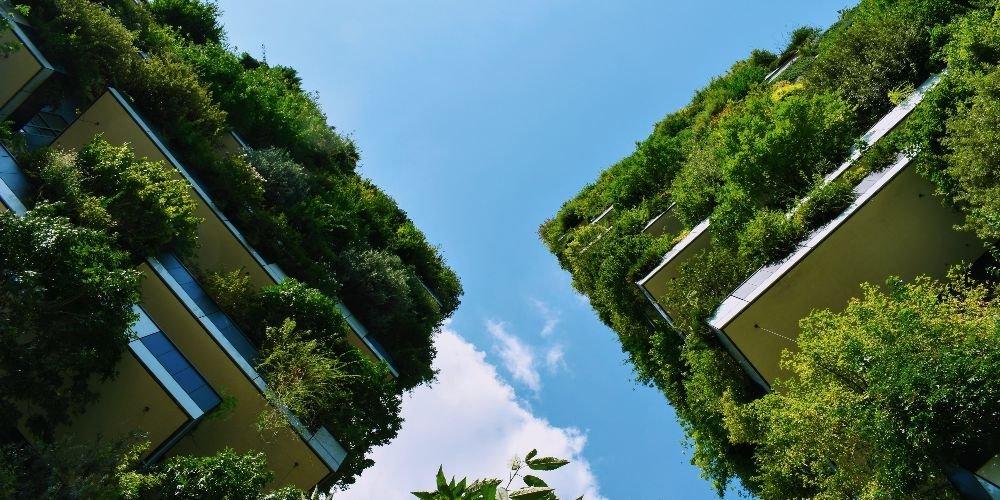
As global concerns surrounding climate change and environmental degradation intensify, the real estate sector is undergoing a profound change towards green and sustainable practices.The convergence of ecological awareness, technological advancements, and shifting consumer preferences has catalyzed a paradigm shift in how properties are developed, managed, and marketed. This article aims to systematically analyze the emerging trends in green and sustainable real estate, highlighting the principles that underpin this evolution, the innovations driving it, and the implications for investors, developers, and policy-makers alike. By examining the interplay between market dynamics, regulatory frameworks, and environmental considerations, we seek to provide a comprehensive understanding of how these trends are reshaping the landscape of real estate, ultimately fostering a more sustainable built surroundings.As we delve into this critical analysis, we will explore key factors such as energy efficiency, sustainable materials, and social obligation that are defining the future of real estate in an increasingly eco-conscious world.
Table of Contents
- Understanding the Role of Renewable Energy in Sustainable Property Development
- Integrating Smart Technology for Enhanced Energy Efficiency in Green Buildings
- Assessing the Impact of Sustainable Design on property Value and Market Demand
- Implementing Effective Policy Frameworks to Support Sustainable Real Estate Practices
- To Wrap It Up
Understanding the Role of Renewable Energy in sustainable Property Development
As the demand for sustainable property development grows, renewable energy has emerged as a cornerstone of environmentally conscious building practices. Integrating renewable energy sources such as solar, wind, and geothermal systems into property development not only reduces carbon footprints but also enhances the long-term viability of real estate projects. Major benefits include:
- Cost Savings: Utilizing renewable energy can significantly lower operational costs over time,providing a return on investment that is attractive to developers and investors alike.
- Regulatory Compliance: Incorporating renewable energy aligns with increasingly stringent regulations and building codes aimed at promoting sustainability in urban planning.
- Market Appeal: Properties powered by renewable energy are often more appealing to environmentally-conscious buyers, enhancing marketability and rental potential.
Incorporating renewable energy not only aligns with global sustainability goals but also drives innovation in real estate design. Developers are exploring new technologies and systems that optimize energy efficiency while creating aesthetically pleasing and functional spaces. Key aspects to consider in this evolution include:
- Smart Grid Technology: Integrating properties into smart grids allows for optimized energy consumption and distribution, often supported by real-time data analytics.
- Energy Storage Systems: Advances in battery storage technology enable properties to utilize renewable energy more effectively, storing excess energy for later use and enhancing energy resilience.
- Sustainable Materials: The use of sustainable materials in conjunction with renewable energy systems complements building practices that prioritize both environmental and human health.
| renewable Energy Source | Key Benefit |
|---|---|
| Solar Energy | Reduces electricity costs and carbon emissions |
| Wind Energy | Generates clean, renewable power with minimal land disruption |
| Geothermal Energy | Provides stable, efficient heating and cooling |
Integrating Smart Technology for Enhanced Energy Efficiency in Green buildings
As the demand for sustainable living solutions intensifies, integrating smart technology into green buildings has emerged as a crucial strategy for optimizing energy efficiency. By utilizing automated systems and IoT devices,buildings can achieve unprecedented levels of energy management.The implementation of smart thermostats, automated lighting systems, and energy monitoring software not only enhances comfort and convenience but also significantly reduces overall energy consumption. For instance, sensors that adjust temperature settings based on occupancy can lead to substantial savings by eliminating unneeded energy use.
Additionally, the synergy between renewable energy sources and smart technology is driving the evolution of green architecture. By incorporating solar panels equipped with smart inverters, buildings can self-regulate energy production and consumption, further minimizing their carbon footprint. These advancements pave the way for the use of energy storage systems and demand-response technologies, which stabilize electricity load during peak hours. The following table illustrates common smart technologies and their associated benefits in the context of green buildings:
| Smart Technology | Benefits |
|---|---|
| Smart Thermostats | Optimize heating and cooling, reduce energy use |
| Automated Lighting Systems | Adjust based on natural light and occupancy |
| Energy Monitoring Software | Real-time energy use tracking, informed decision-making |
| Smart Inverters | Enhance solar energy efficiency and grid connection |
assessing the Impact of Sustainable Design on Property Value and Market Demand
The integration of sustainable design principles into real estate projects has become a significant factor in influencing property value and market demand. Green buildings often command higher purchase prices due to their energy-efficient features, reduced utility costs, and enhanced living environments. studies indicate that properties with sustainable certifications, such as LEED or BREEAM, gain prestige in the market, as buyers increasingly prioritize eco-pleasant features. This trend is not merely a passing phase; it reflects a growing consumer consciousness regarding environmental responsibility and a desire for improved quality of life.
Moreover, the market demand for sustainable real estate is evident in various demographics, particularly among millennials and environmentally conscious buyers.these groups are willing to pay a premium for properties that incorporate sustainable practices, believing that such investments positively impact their future quality of life.Key factors contributing to this shift include:
- Energy efficiency: Homes designed with energy-saving technologies often lead to significant long-term savings on utility bills.
- Health benefits: Properties with sustainable materials and designs promote healthier living environments, reducing the risk of illnesses.
- Market resilience: Sustainable properties tend to retain their value better during economic downturns, making them a safer investment.
as sustainability continues to permeate the property market,it is essential for developers,investors,and homeowners to recognize the enduring benefits associated with adopting green design strategies.
Implementing effective Policy Frameworks to Support Sustainable real Estate Practices
To successfully foster sustainable real estate practices, it is imperative to establish robust policy frameworks that not only encourage eco-friendly developments but also facilitate comprehensive assessments of environmental impacts. Such frameworks should encompass a variety of components, including:
- Incentives for Green Building: Tax rebates and grants for developers who prioritize energy efficiency and renewable materials.
- Regulatory Measures: Clear guidelines on sustainable construction practices that align with local zoning laws.
- Stakeholder Engagement: Involving community stakeholders in the planning process to ensure diverse perspectives are considered.
A pivotal aspect of these frameworks is the regular monitoring and evaluation of real estate projects to assess their sustainability goals. Implementing metrics such as energy consumption, waste management efficiency, and carbon footprint can provide insight into the effectiveness of policies. For clarity, here’s a simple representation of essential sustainability metrics:
| Metric | Description | Importance |
|---|---|---|
| Energy Efficiency Score | Measures the energy consumed per square foot | Indicates overall building efficiency |
| Water Usage | Quantifies the volume of water used | Highlights conservation efforts |
| Waste Diversion Rate | Percentage of materials diverted from landfills | Reflects sustainability of waste management practices |
To Wrap It Up
the evolving landscape of green and sustainable real estate reflects a critical intersection of environmental stewardship, economic viability, and social responsibility. As we have analyzed, emerging trends such as biophilic design, energy-efficient technologies, and sustainable urban planning are not merely optional enhancements but essential components shaping the future of the real estate industry. The ongoing transition toward sustainable practices is driven by an increasing awareness of climate change, coupled with a demand from investors and consumers for greater clarity and accountability.
The implications of these trends extend beyond individual projects; they influence regional development policies and global markets alike. real estate professionals must remain vigilant and adaptable to these changes, leveraging innovative strategies and technologies to stay competitive in a rapidly shifting landscape.
As we move forward,the role of collaboration among stakeholders—including developers,investors,policymakers,and communities—will be paramount. Together, we can cultivate environments that prioritize sustainability while also meeting the diverse needs of society.By embracing these trends,the real estate sector will not only contribute to the health of our planet but also enhance the quality of life for generations to come.
Ultimately, the journey toward a sustainable real estate market is just beginning. Continuous investment in research and best practices will be crucial as we seek to navigate the complexities of this dynamic field, ensuring that both current and future real estate projects contribute positively to ecological balance and community well-being.