

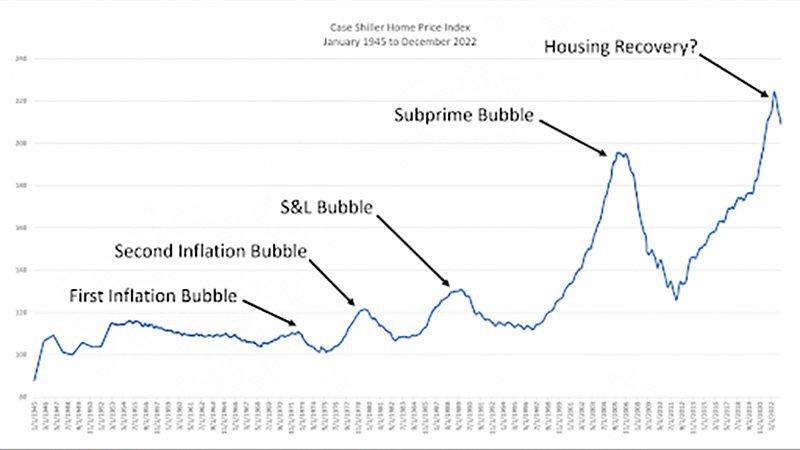
The real estate market is a complex ecosystem, characterized by cycles of boom adn bust that often defy rational explanation.As property values soar to unprecedented heights, often fueled by speculative investment and lax lending practices, the seeds of potential economic instability are sown. Understanding the phenomena known as real estate bubbles requires a methodical approach that synthesizes economic theory, historical context, and quantitative analysis.
in this article, we delve into the intricate dynamics of real estate bubbles, examining the underlying factors that contribute to their formation and eventual burst. By employing a robust analytical framework, we aim to uncover the indicators and patterns that typically herald the onset of a bubble, as well as the socio-economic repercussions that follow.Leveraging historical case studies and current market data, we will provide a extensive perspective on the cyclical nature of real estate, ultimately equipping stakeholders with the insights necessary to navigate this volatile landscape. Through this examination, we aspire not only to elucidate past events but also to inform future strategies for mitigating risk and ensuring sustainable growth in the real estate sector.
Table of Contents
- identifying the Early Indicators of Real Estate Bubbles
- Analyzing Market Dynamics: Supply, Demand, and Speculation
- Evaluating the Impact of Economic Policies on Property Valuations
- Strategic Recommendations for Investors in Bubbly Markets
- To Conclude
Identifying the Early Indicators of Real Estate Bubbles
understanding the early indicators of a real estate bubble is critical for investors, analysts, and policymakers alike. Several key factors can forewarn of an impending cycle of excessive price inflation in real estate markets. Among these indicators are:
- Rapid Price Appreciation: If property prices rise significantly faster than the overall economy or historical trends, it can signal speculative buying.
- Decreased Affordability: When housing costs outpace income growth and the housing affordability index declines, it suggests that the market may be entering a bubble.
- Surge in Risky Lending Practices: Lenders offering subprime mortgages or balloon payment structures often lead to instability in housing markets.
- Increased Investment by Non-Owner Occupants: A high percentage of homes being purchased by investors rather than people intending to live in them can indicate unnatural demand.
Furthermore, analyzing macroeconomic conditions and demographic shifts adds another layer of vigilance. Monitoring metrics such as:
| Metric | What to watch For |
|---|---|
| Interest Rates | Trends in mortgage rates indicating increased affordability may initially mask bubbles but can ultimately trigger corrections. |
| Housing Inventory | Low inventory levels relative to demand can create upward pressure on prices, magnifying bubble risks. |
| Consumer Confidence | High confidence levels may lead to speculative behaviour,while declines can signal a market correction. |
By staying attuned to these early warning signs, stakeholders can better anticipate shifts in market dynamics and potentially position themselves ahead of a bubbleS formation.
Analyzing Market Dynamics: Supply,Demand,and Speculation
Market dynamics in real estate are shaped significantly by the interplay of supply and demand,both of which are influenced by various factors. Supply encompasses the availability of properties, which can fluctuate due to construction rates, zoning regulations, and land availability. Conversely, demand is driven by demographic trends, economic conditions, and interest rates, which influence buyers’ capability and willingness to invest.In times of economic growth, such as, the demand can surge, leading to an imbalance where properties are unable to meet buyers’ needs.This tension between supply and demand often sets the stage for market highs and lows, creating scenarios where prices can rapidly escalate or decline.
Moreover, speculation further complicates market conditions, as investors often attempt to predict future price movements based on perceived trends rather than intrinsic value. This speculative behavior can lead to inflated housing prices and create a bubble, where the market operates on expectations rather than fundamentals.Key indicators of speculation include:
- Increased Investor Activity: A rise in purchases by investors rather than primary homebuyers can signal speculative behavior.
- Price Volatility: Rapid fluctuations in property prices can indicate speculation over steady growth patterns.
- High Leverage: Investors utilizing significant debt to acquire properties amplifies risk and market instability.
Evaluating these dynamics through qualitative and quantitative analysis allows for a deeper understanding of potential market corrections. The following table outlines critical factors affecting market fluctuations:
| Factor | Impact on Market |
|---|---|
| Interest Rates | Higher rates can reduce buyer affordability, dampening demand. |
| Construction Trends | Increased building can enhance supply, lowering prices. |
| Economic Indicators | Strong economic performance boosts buyer confidence and demand. |
Evaluating the Impact of Economic Policies on Property Valuations
Understanding the dynamics of property valuations requires a deep dive into the economic policies that shape the real estate market. Monetary policy, as an example, has a profound impact on interest rates, which in turn effect mortgage affordability. When central banks opt for low interest rates, borrowing costs diminish, encouraging more individuals to purchase homes, thereby driving up property values.Conversely,when rates increase,buyer enthusiasm typically wanes,leading to stagnation or even declines in property values. Furthermore, fiscal policies, such as tax incentives for homeowners or developers, can stimulate real estate activity. Such incentives can increase demand in specific markets, creating localized bubbles that might not reflect overall economic stability.
Beyond these primary mechanisms, evaluating the effectiveness of housing policies and their influence on property valuations requires analysis of various indicators:
- Supply and Demand: Track the balance of housing supply and demand as a response to economic policy shifts.
- Local Economic Growth: Analyse employment rates and income levels in relation to new housing developments.
- Investment Trends: observe shifts in both domestic and foreign investment in real estate as influenced by policy changes.
For a clearer representation, consider the following table highlighting key economic indicators pre- and post-implementation of significant economic policies:
| Economic Indicator | Before Policy Implementation | After Policy Implementation |
|---|---|---|
| Average Property Prices | $300,000 | $350,000 |
| mortgage Rate | 4.5% | 3.5% |
| consumer Confidence Index | 85 | 95 |
By continuously monitoring these indicators, stakeholders can better assess how specific economic policies influence the valuation trends within the real estate market, enabling more informed investment decisions and policy formulation.
Strategic Recommendations for Investors in Bubbly Markets
In today’s volatile real estate landscape,investors need to approach bubbly markets with a blend of caution and insight. One fundamental strategy is to conduct thorough market research, focusing on economic indicators, demographic trends, and supply-demand dynamics. This includes analyzing factors such as population growth, employment rates, and migration patterns that can influence real estate values. By aligning investments with regions exhibiting sustainable growth patterns, investors can mitigate risks associated with potential market corrections. Additionally, diversifying the portfolio is crucial; consider allocating resources into various sectors, such as residential, commercial, and industrial properties.
Another vital suggestion is to maintain a long-term perspective while remaining agile. short-term gains may be tempting in a bubbly market, but history shows that the risk of losses can be significant during downturns. Investors should establish a clearly defined exit strategy, ensuring that they can quickly move out of overvalued positions when market signals indicate a bubble. Moreover, leveraging data analytics tools can provide deeper insights into market trends, helping investors make informed decisions. Strong mentorship or partnership with seasoned investors in the field can further enhance decision-making processes and improve investment outcomes.
To Conclude
dissecting real estate bubbles through an analytical lens reveals a complex interplay of economic indicators, market psychology, and regulatory environments. By systematically examining historical data, investor behavior, and the socio-economic factors that contribute to housing price fluctuations, we can better understand the cyclical nature of real estate markets. This understanding is paramount for investors, policymakers, and consumers alike, as it equips them with the knowledge necessary to navigate the intricacies of property markets more effectively.
As we have explored, the identification of early warning signs and the implementation of robust analytical frameworks can mitigate the risks associated with bubble formation.Moreover, fostering transparent communication and responsible lending practices can further stabilize the market, creating a more resilient economic landscape.Ultimately, the lessons gleaned from past bubbles serve not only as cautionary tales but also as guiding principles for future growth. As we look ahead, a commitment to rigorous analysis and strategic foresight will be essential in fostering a sustainable real estate environment that benefits all stakeholders involved. With careful scrutiny and proactive measures, we can aspire to transform the challenges posed by real estate bubbles into opportunities for informed decision-making and long-term stability.