

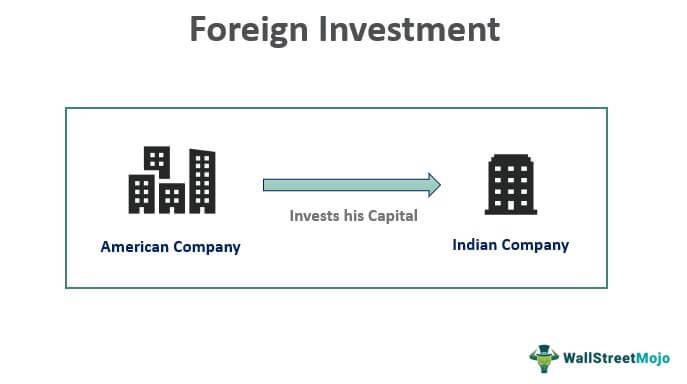
In recent years, global capital flows have markedly transformed real estate landscapes across major cities, stirring debates among economists, policymakers, and market participants. as foreign investors increasingly seek opportunities in a variety of regions, the implications for local housing markets are profound and multifaceted. From the soaring property prices in urban centers to the revitalization of underdeveloped areas, the influx of foreign capital brings both benefits and challenges. This article delves into the complex dynamics of foreign investment in real estate, exploring its effects on market trends, affordability, and community cohesion. by examining case studies from different countries, we aim to shed light on how these investments shape the real estate sector and what this means for future economic stability and social equity.
Table of Contents
- Understanding the Dynamics of Foreign Investment in Real Estate Markets
- Evaluating Economic Benefits and Challenges of Cross-Border Investments
- Regional Case Studies: success Stories and Lessons Learned from Foreign Investors
- Strategic Recommendations for Policymakers to Optimize Foreign Investment Outcomes
- The Conclusion
Understanding the Dynamics of Foreign Investment in Real Estate markets
The landscape of real estate markets has dramatically shifted with the increasing presence of foreign investment. As international investors seek opportunities in emerging markets, they contribute to the dynamics of local economies, providing much-needed capital inflow. This trend is fueled by various factors, including globalization, favorable exchange rates, and the pursuit of portfolio diversification. Notably, foreign investments frequently enough lead to significant developments in infrastructure, enhancing property values and attracting more buyers. Consequently, local stakeholders must navigate this complex interplay between domestic and international forces to ensure lasting growth in thier markets.
Additionally, foreign investment influences real estate market trends in multiple ways. As a notable example, it can lead to increased competition for properties, frequently enough driving prices upward, which may benefit some sellers while posing challenges for first-time homebuyers. The influx of foreign capital often results in a comparative analysis among local and international investors, highlighting disparities in investment strategies and risk tolerance.Local governments are recognizing this impact and, in response, are beginning to implement policies aimed at regulating foreign acquisitions in an effort to safeguard housing affordability. Understanding these dynamics is crucial for stakeholders aiming to adapt to the evolving landscape.
Evaluating Economic Benefits and Challenges of Cross-Border Investments
Cross-border investments present a complex interplay of advantages and pitfalls that can considerably shape real estate markets. On the positive side, these investments can stimulate local economies by:
- Enhancing liquidity: Foreign capital frequently enough increases the volume of transactions, making it easier for local investors to buy and sell properties.
- Driving infrastructure growth: Investment influx can lead to improvements in transportation and utilities, further increasing property values.
- Creating jobs: New projects often require local labor, fostering employment opportunities in construction and related sectors.
However, the challenges must be carefully managed, as excessive foreign investment can lead to price inflation and displacement of local residents. Key concerns include:
- Overheating markets: A sudden spike in foreign demand may inflate property prices beyond local affordability.
- Speculative investments: Investors may prioritize short-term gains over long-term community interests, resulting in unstable markets.
- Cultural impacts: Rapid development can alter the character of neighborhoods, potentially alienating long-term residents.
| Advantages | Challenges |
|---|---|
| Increased Investment | Market Volatility |
| Job Creation | Rising Costs |
| Infrastructure Development | Community Displacement |
Regional Case Studies: Success Stories and Lessons Learned from Foreign Investors
Across various regions, foreign investment has not onyl reshaped real estate landscapes but has also set benchmarks for future developments. A notable example comes from Canada, where significant investments from asian firms have increased property values, particularly in urban centers like vancouver and Toronto. The influx of capital has led to a revitalization of neighborhoods and stimulated local economies. however, this surge in foreign buying has also sparked debates about housing affordability and availability for local residents, prompting governments to implement measures such as foreign buyers’ taxes to mitigate adverse effects.
Another success story is found in Germany, where foreign investments in real estate have spurred rapid growth in both commercial and residential sectors. Notable projects, frequently enough backed by Middle Eastern and American investors, have transformed once-neglected areas into thriving districts. This case reveals the importance of infrastructural development as a key takeaway; foreign investment can drive improvements in local facilities, transport links, and services, benefiting both investors and the community. Additionally, lessons learned from these experiences highlight the need for transparency in investment processes to foster trust and attract sustainable foreign capital flows.
Strategic Recommendations for Policymakers to Optimize Foreign investment Outcomes
To maximize the benefits of foreign investment in real estate markets, policymakers should adopt a multidimensional approach that emphasizes transparency, regulatory clarity, and strategic engagement with international investors. Key strategies include:
- Enhancing Transparency: Implementing robust data collection and reporting mechanisms on foreign investments to provide stakeholders with clear insights into market dynamics.
- Streamlining Regulations: Simplifying the regulatory processes for foreign investments to foster a more welcoming business environment.
- Promoting Sustainable Practices: Encouraging foreign investors to adopt environmentally sustainable practices to ensure the long-term health of local ecosystems and communities.
Moreover, the creation of dedicated task forces that engage with foreign investors could facilitate better understanding and alignment with local market needs. Policymakers might also consider establishing tax incentives and low-interest financing options tailored specifically for foreign investments that contribute positively to community development. A comparative analysis of other countries’ triumphant foreign investment frameworks could also be beneficial. As illustrated in the table below, key factors influencing successful foreign investment policies include the level of investor confidence, ease of doing business, and alignment with national economic goals.
| factor | Description |
|---|---|
| Investor confidence | Trust in the stability and predictability of the market. |
| Ease of Doing Business | Streamlined processes and minimal bureaucratic hurdles. |
| Economic Alignment | Alignment of foreign investment goals with national economic objectives. |
The Conclusion
the intricate relationship between foreign investment and real estate markets continues to evolve, shaped by a myriad of economic, political, and social factors. As we have examined, foreign investment can drive growth, stimulate development, and enhance market liquidity, but it also raises vital questions about affordability, local culture, and housing accessibility. Policymakers must strike a delicate balance, fostering an environment that welcomes foreign capital while safeguarding the interests of local communities. As global dynamics shift, the ongoing dialog around foreign investment in real estate will undoubtedly remain a focal point for stakeholders, from investors and developers to regulators and residents. understanding these impacts is crucial not only for predicting market trends but also for ensuring that real estate growth benefits all sectors of society.