

Introduction:
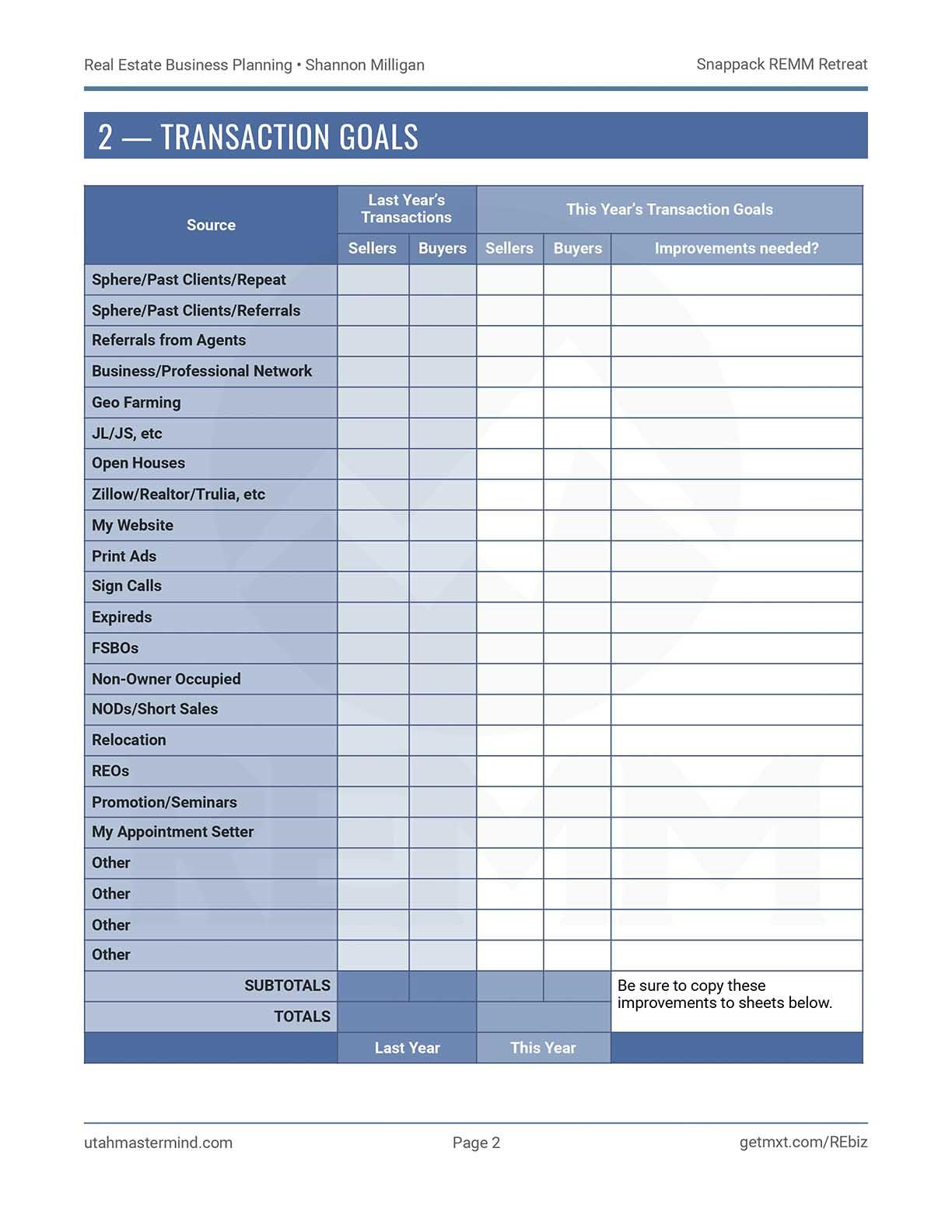
In the fast-paced and competitive world of real estate, a well-structured buisness plan is not merely a formality; it is indeed an essential blueprint for success. Whether you are a seasoned investor looking to expand your portfolio or a newcomer eager to make your mark in the industry, a extensive business plan serves as a strategic guide that outlines your vision, goals, and the pathways to achieving them. This article will explore the essential steps involved in crafting a successful real estate business plan, highlighting the critical components that can definitely help streamline operations, attract investors, and ultimately drive profitability. By laying a solid foundation through effective planning, real estate professionals can navigate market fluctuations, capitalize on emerging opportunities, and build a enduring and thriving business. Join us as we delve into the key elements that will empower you to develop a robust business strategy tailored to the ever-evolving landscape of real estate.
Table of Contents
- Understanding Market Analysis and Trends
- Defining Your Target Audience and Unique Value Proposition
- Developing a Comprehensive Financial Plan
- Implementing Strategic Marketing and Operational Tactics
- Key Takeaways
Understanding Market Analysis and Trends
Conducting a thorough market analysis is a essential step in formulating a successful real estate business plan. This process involves examining various data points to understand the current landscape and future directions of the market. Key elements to consider include:
- Local Economic Indicators: Analyze employment rates, wage growth, and population trends to gauge the economic health of the area.
- property Values: Examine historical pricing trends and current market valuations to predict future price shifts.
- competitor Analysis: Evaluate what similar businesses are doing to identify gaps in the market and capitalize on emerging opportunities.
Furthermore, recognizing shifting trends can enhance your strategic positioning. Pay attention to metrics such as:
- Buyer Preferences: Determine what features or amenities are attracting buyers today.
- Market Segmentation: Identify various buyer demographics and tailor your offerings accordingly.
- Emerging Neighborhoods: Research up-and-coming areas with potential growth for investment opportunities.
| Trend | Potential Impact |
|---|---|
| Increased Remote Work | Higher demand for homes with dedicated office spaces. |
| Interest in Sustainable Living | Growth in eco-kind properties and developments. |
| Urban to Suburban Migration | Rising property values in suburban areas. |
Defining Your Target Audience and Unique value Proposition
Understanding your intended clientele is fundamental to developing a successful real estate business plan. Start by identifying the demographics that are most likely to engage with your services. consider factors such as:
- Age: Are you targeting millennials looking for their first home or retirees seeking downsized properties?
- Income Level: What price range can your audience afford, and how will this shape your offerings?
- Geographic Location: Are you focusing on urban properties, suburban homes, or rural estates?
- Buyer Type: Are your clients investors, first-time buyers, or those looking to sell their homes?
Once you’ve established a clear picture of your target audience, articulate your unique value proposition (UVP) that sets you apart from competitors. A compelling UVP should answer the question: “Why should clients choose you?” Key elements to consider include:
- Expertise: Highlight your local market knowledge, negotiation skills, and industry experience.
- Client Experience: Define what clients can expect through your personalized service approach.
- Innovative Tools: mention any technology or marketing strategies that enhance the buying or selling process.
Developing a Comprehensive Financial Plan
Creating a robust financial plan is pivotal for the success of any real estate venture. It begins with a thorough assessment of your current financial situation, which involves analyzing your assets, liabilities, and cash flow. By understanding these elements, you can establish a clear starting point. Next, it’s essential to define your short-term and long-term financial goals. This could include targets such as generating a specific amount of rental income, acquiring a certain number of properties, or reaching a particular net worth within a set timeframe. documenting these objectives provides direction and a framework for your financial strategy.
Once your goals are set, it’s time to delve into budgeting and forecasting.Implementing a comprehensive budgeting system will help you allocate resources effectively, ensuring that operational costs, marketing expenses, and investment opportunities are adequately funded. Additionally,employing financial forecasting tools can aid in projecting future income and expenses,allowing for proactive decision-making. Consider creating a simple table to track your projected versus actual financial performance, which can be crucial for identifying trends and making necessary adjustments:
| Month | Projected income | Actual Income | Variance |
|---|---|---|---|
| January | $5,000 | $4,800 | -$200 |
| February | $5,500 | $5,200 | -$300 |
| March | $6,000 | $6,200 | +$200 |
Implementing Strategic Marketing and Operational Tactics
To effectively navigate the competitive landscape of the real estate market, it is crucial to implement robust strategic marketing and operational tactics. Start by defining your unique selling proposition (USP)—what sets your business apart from competitors. Incorporate various marketing channels to maximize your reach and ensure a consistent message across platforms. Key strategies may include:
- Social Media Marketing: Leverage platforms like Instagram and LinkedIn to showcase properties and engage with potential clients.
- Email Campaigns: create targeted email newsletters to keep your audience informed about market trends, new listings, and investment tips.
- Content Marketing: Publish valuable blog posts and videos that address common buyer questions and highlight local market insights.
On the operational side, aligning your marketing efforts with effective sales strategies is essential for ensuring that every lead is nurtured and converted. Develop a streamlined customer relationship management (CRM) system to track interactions and automate follow-ups. Consider implementing a performance dashboard that provides real-time insights into your marketing effectiveness and sales outcomes, such as:
| Metric | Target Value | Current Value |
|---|---|---|
| Leads Generated | 100 | 85 |
| Conversion Rate | 25% | 20% |
| Client Engagement score | 90% | 80% |
Key Takeaways
crafting a successful real estate business plan is not merely a formality; it is an essential step that lays the groundwork for your business’s growth and sustainability. by clearly defining your objectives, understanding your market, and outlining your strategies, you position yourself to navigate the complexities of the real estate industry with confidence. Remember, a well-structured business plan is a living document that requires regular updates and adjustments as your business evolves. As you take the essential steps outlined in this article, keep in mind that diligence, adaptability, and strategic foresight are key to translating your vision into reality. With careful planning and execution, your real estate venture can flourish in a competitive landscape, ultimately achieving your goals and exceeding your expectations.