

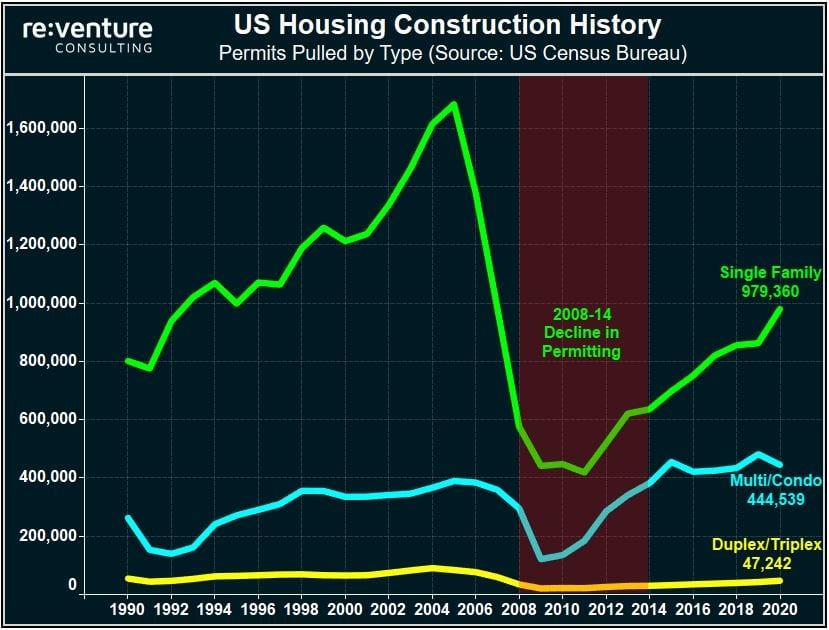
As urban centers burgeon and populations swell, the issue of housing shortages has emerged as a pressing concern across the globe. Limited availability of affordable housing not only threatens the stability of communities but also reverberates throughout the real estate market, influencing prices, rental rates, and progress trends. This article delves into the multifaceted nature of housing shortages, exploring the causes behind this crisis—ranging from economic factors and regulatory hurdles to infrastructure deficits—and assessing their profound implications on the real estate landscape. By bringing together expert insights, statistical analyses, and case studies from various regions, we aim to provide a comprehensive understanding of how these shortages shape market dynamics and what solutions may lie ahead.
Table of Contents
- Understanding the Root Causes of Housing Shortages in Urban Areas
- Assessing the Economic implications of Limited Housing Supply
- Strategies for Mitigating Housing Shortages and Enhancing Affordability
- Policy Recommendations for Sustainable Real Estate Development
- In Retrospect
Understanding the Root Causes of Housing Shortages in Urban Areas
The growing phenomenon of housing shortages in urban centers is driven by a complex interplay of factors that contribute to the escalating real estate crisis. One of the basic reasons is the rapid population growth within cities. As more individuals migrate seeking better opportunities, the demand for housing has outpaced the supply, leading to inflated property prices and reduced availability. Additionally, zoning regulations play a pivotal role in constraining new developments. Many urban areas have stringent restrictions that limit the types of housing that can be constructed, which further exacerbates the supply shortfall. The inadequate planning and foresight in urban development are evident as cities struggle to adapt to the increasing demand for living spaces.
Financial barriers also contribute significantly to housing shortages. High construction costs, driven by rising material prices and labor shortages, hinder developers from undertaking new projects. Moreover,interest rate fluctuations can deter potential buyers,leading to decreased investment in residential properties. In many cases, urban areas are characterized by a lack of affordable housing options, pushing lower-income families further away from city centers. This displacement creates a cycle of inequality,where the vibrancy of urban living is accessible only to a select few,while the majority face notable challenges in securing adequate housing. Understanding these root causes is crucial for policymakers aiming to devise effective solutions to the housing crisis.
Assessing the Economic Implications of Limited Housing Supply
The ongoing housing shortage presents significant economic ramifications that ripple through various sectors. Limited housing availability can lead to inflated property prices, making home ownership increasingly out of reach for many individuals and families. As potential buyers are priced out of the market, rental demand surges, resulting in increasing rental rates. This not only strains the budgets of renters but also shapes consumer spending habits,as a larger portion of household income is allocated to housing costs. Furthermore, this shift can stifle local economic growth, as communities become less diverse and unable to attract a skilled workforce due to affordability challenges.
In the long term,the implications of a constrained housing supply also affect key economic indicators. Developers may scale back investments, fearing that heightened costs will lead to unsold inventory, complicating the balance between supply and demand. This situation can have a cascading effect on associated industries such as construction, home goods, and service sectors. Affected communities may experience a decline in tax revenues, limiting opportunities for public services and infrastructure improvements, which are crucial for sustaining local economies. As the gap between demand and supply widens, innovative solutions will be needed to mitigate these pressing issues and foster a more balanced housing market.
strategies for Mitigating Housing Shortages and Enhancing Affordability
To effectively combat housing shortages and improve affordability, cities and communities are increasingly adopting innovative approaches that prioritize inclusivity and sustainability. One strategy gaining traction is the promotion of mixed-use development, which integrates residential, commercial, and recreational spaces.This approach not only enhances urban density but also encourages a vibrant community atmosphere while reducing transportation costs and carbon footprints.Furthermore, local governments are exploring density bonuses for developers, allowing for additional construction in exchange for contributions to affordable housing funds or the implementation of affordable units within new developments.
Another effective strategy involves leveraging public-private partnerships to finance and develop affordable housing projects. By collaborating with private developers, municipalities can harness investment while mitigating risk. Additionally, zoning reforms that allow for the construction of ADUs (Accessory Dwelling Units) can create more housing options in existing neighborhoods. This flexibility encourages homeowners to utilize their properties creatively, often leading to lower rents. Moreover, implementing smart subsidies geared toward low-income families can directly address affordability issues by alleviating the burden of rising costs.
| Strategy | Benefits |
|---|---|
| Mixed-Use Development | Encourages community interaction and reduces transportation needs. |
| Density Bonuses | Incentivizes developers to include affordable housing units. |
| Public-Private Partnerships | Creates financial opportunities while sharing risks. |
| zoning Reforms for ADUs | Increases housing variety and utilizes existing properties. |
| Smart Subsidies | Directly helps low-income families manage housing costs. |
Policy Recommendations for Sustainable real Estate development
To effectively address housing shortages while promoting sustainability in real estate development, policymakers should consider the following strategies:
- Incentivize Green Building practices: Implement financial incentives for developers who utilize eco-friendly materials and technologies. This can include tax breaks or expedited permitting processes for projects that meet sustainability standards.
- Promote Mixed-Use Developments: Encourage projects that blend residential, commercial, and recreational spaces. This approach not only maximizes land use but also fosters community interaction and reduces reliance on transportation.
- Streamline Zoning Regulations: Revise zoning laws to facilitate higher density housing in urban areas, making it easier for developers to build sustainable multifamily units.
- Support Affordable Housing Initiatives: Allocate public funds to subsidize affordable housing projects that incorporate sustainable practices, ensuring they remain accessible to low-income populations.
Additionally, it is crucial to enhance collaboration between government entities, real estate developers, and community stakeholders to ensure comprehensive planning. Creating a Real Estate Sustainability Task Force can help oversee and evaluate development projects for their environmental impact. The task force can also provide a framework for tracking progress through annual sustainability reviews. For transparency in planning efforts, the following table outlines essential metrics for monitoring housing development projects:
| Metric | Indicators |
|---|---|
| Environmental Impact | Carbon footprint, resource usage |
| Community Engagement | Resident participation, feedback surveys |
| Affordability | Percentage of affordable units, income level |
| Transportation Accessibility | Nearby amenities, public transport options |
In Retrospect
the housing shortage continues to pose significant challenges for the real estate market, with ripple effects that extend beyond mere property values.As demand consistently outpaces supply, stakeholders—including policymakers, developers, and community leaders—must collaborate to devise sustainable solutions that address this complex issue. By prioritizing affordable housing initiatives, encouraging diverse development strategies, and ensuring equitable access to homeownership, we can work towards a more balanced real estate landscape. Ultimately, addressing the housing crisis is not just about building more homes; it is about fostering communities where individuals and families can thrive. As we move forward, ongoing dialogue and proactive measures will be essential in shaping a resilient housing market that serves the needs of all citizens.