

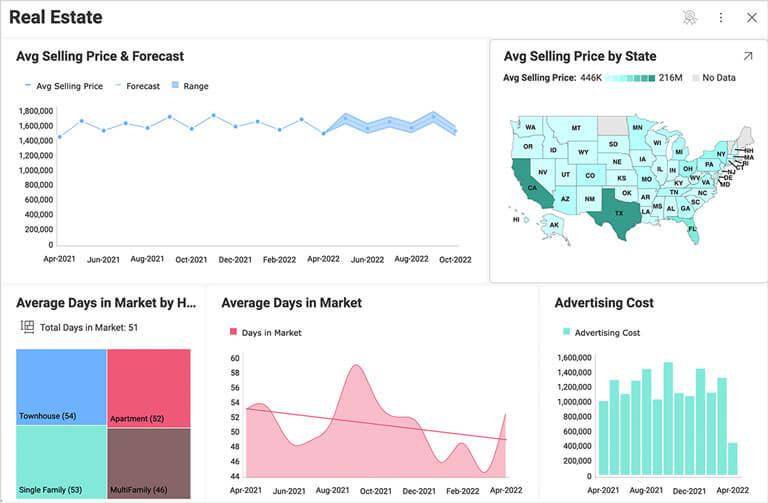
In an era defined by rapid technological advancement and an ever-evolving marketplace, the real estate sector stands at the forefront of transformation, driven by the integration of data analytics. “” explores the profound impact of analytical tools and methodologies on decision-making processes within the industry. As stakeholders grapple with the complexities of market dynamics, demographic shifts, and economic fluctuations, the ability to harness and interpret vast data sets has become not only beneficial but essential. This article delves into the multidimensional capabilities of real estate analytics, illustrating how data-driven insights can inform investment strategies, improve operational efficiency, and enhance customer experiences. Whether you’re a seasoned investor, a developer, or a market analyst, understanding the nuances of real estate analytics is pivotal in navigating the challenges and opportunities that lie ahead in this multifaceted domain.
Table of Contents
- Understanding the Role of Data in Real Estate Decision-Making
- Key Metrics and Tools for Effective Real estate Analysis
- Leveraging Predictive Analytics for Market Forecasting
- Implementing Data-Driven Strategies to Maximize Investment Returns
- In Summary
Understanding the Role of Data in Real Estate Decision-Making
In the ever-evolving landscape of real estate,data has emerged as a pivotal tool for informed decision-making. By leveraging data analytics, investors and real estate professionals can uncover trends and patterns that inform their strategies. The advancement of technology allows access to vast datasets,which can include:
- Market Trends: Understanding pricing movements,buyer preferences,and neighborhood dynamics.
- Demographic Insights: Analyzing population shifts, income levels, and age distributions that affect demand.
- Investment Performance: Evaluating historical returns and risk factors associated with different property types.
moreover, predictive analytics plays a crucial role in forecasting potential market shifts, enabling stakeholders to make proactive adjustments.Real estate investors can utilize metrics such as cap rates, cash-on-cash returns, and rental yield to enhance their portfolio decisions. By integrating tools like geographic information systems (GIS), they can visualize data geographically, adding another layer of understanding. The following table summarizes the key metrics and their meaning:
| Metric | Description |
|---|---|
| Cap Rate | measures the return on investment based on the property’s net income. |
| Cash-on-Cash Return | Represents the ROI based on cash invested and cash generated. |
| Rental Yield | Indicates annual rental income as a percentage of property value. |
key Metrics and Tools for Effective Real Estate Analysis
To navigate the complex landscape of real estate,understanding key metrics is essential for leveraging analytics effectively. Investors and analysts often rely on Return on Investment (ROI), which measures the profitability of an investment relative to its cost. Another vital metric is the Capitalization Rate (Cap Rate), indicating the property’s potential return based on its income-generating capability. Moreover, Net Operating Income (NOI) provides insight into the property’s profitability by deducting operating expenses from revenue.Each of these metrics serves as a foundation for strategic decision-making, helping stakeholders identify promising investment opportunities while mitigating risks.
Along with metrics, various tools streamline real estate analysis, offering deeper insights and facilitating informed decisions. Some of the most popular tools include:
- Real Capital Analytics (RCA): An invaluable resource for tracking commercial property investments and market trends.
- CoStar Group: Offers extensive data on commercial real estate properties,encompassing market analytics and property details.
- Argus Enterprise: A powerful software for financial modeling and valuation of real estate assets.
Implementing these tools not only enhances data accuracy but also enables real-time analysis of market dynamics. Below is a simplified table contrasting the core functionalities of each tool:
| Tool | Key Functionality | Target Audience |
|---|---|---|
| Real Capital Analytics | Investment tracking and market trends | Investors, Analysts |
| CoStar Group | Market analytics and property data | commercial Real Estate Professionals |
| Argus Enterprise | Financial modeling and valuation | Property Managers, Investors |
Leveraging Predictive Analytics for Market Forecasting
Predictive analytics serves as a compass for real estate investors and developers, steering them through the unpredictable waters of market trends and property values. By harnessing vast amounts of historical data and employing elegant algorithms, stakeholders can anticipate shifts in demand, pricing, and consumer behavior effectively. This approach enables professionals to:
- Identify emerging markets with growth potential before they become mainstream.
- Optimize investment strategies by aligning property acquisitions with anticipated market changes.
- Minimize risks by understanding and forecasting potential downturns or bubbles.
Furthermore, when combining predictive analytics with geographic information systems (GIS), real estate professionals can visualize market trends spatially. this fusion allows for a more nuanced analysis of factors such as demographic shifts and urban advancement patterns. The integration of these technologies facilitates better decision-making processes by:
- Highlighting hotspots of investment opportunities based on real-time data.
- Enhancing market segmentation strategies that target specific consumer profiles.
- Forecasting rental income and property appreciation reliably.
Implementing Data-Driven Strategies to Maximize Investment Returns
In the competitive realm of real estate investment, leveraging data analytics can be a game changer. By adopting a data-driven approach, investors can pinpoint lucrative opportunities and mitigate risks effectively. Key metrics to focus on include:
- Market Trends: Analyzing historical and current trends to forecast future performance.
- Property Valuation: Accurately assessing properties using comparative market analysis (CMA).
- Demographic Insights: Understanding population shifts and their impact on property demand.
- Investment Performance Metrics: Tracking metrics such as cash flow, ROI, and cap rates for informed decision-making.
Moreover, integrating advanced tools and technologies can streamline the data analysis process, allowing investors to act swiftly on insights. A comprehensive data dashboard can provide a real-time overview of investment properties through visualizations and key indicators.To illustrate this, consider the following table that outlines essential performance indicators:
| Indicator | Description | Importance |
|---|---|---|
| Cash Flow | Income after expenses | Essential for sustainability |
| Cap Rate | Net operating income / purchase price | Measures profitability |
| Occupancy Rate | Percentage of rental units occupied | Indicates demand strength |
| Market Appreciation | Annual increase in property value | Long-term investment benefit |
In Summary
the integration of real estate analytics into property investment and management practices is not merely a trend; it is a transformative approach that enhances decision-making and drives strategic growth. By harnessing data-driven insights, stakeholders can navigate the complexities of the real estate landscape with greater precision and foresight. As we move deeper into an era characterized by technological advancements and an ever-evolving marketplace, the ability to analyze and interpret real estate data will prove indispensable.Investors, developers, and property managers who embrace these analytical tools will not only gain a competitive edge but also contribute to a more resilient and informed industry. Thus, unlocking the power of real estate analytics is not just about understanding the market—it is about shaping its future. As we continue to explore the possibilities afforded by these insights, the real estate sector stands poised for a paradigm shift, one that prioritizes data integrity, strategic foresight, and sustainable growth.