

When navigating the complex landscape of home financing, understanding the various mortgage options available is crucial for prospective homebuyers. Among thes options,two primary categories emerge: conventional loans and government-backed loans. Each type comes with its own set of advantages, eligibility criteria, and implications for borrowers, making it imperative to comprehend their fundamental differences. This article aims to provide a clear overview of conventional mortgages versus government-backed loans,highlighting key characteristics,lending requirements,and the impact of these factors on the overall borrowing experience. By dissecting the nuances of each mortgage type, we aim to equip potential buyers with the knowledge necessary to make informed decisions that align with their financial goals and homeownership aspirations.
Table of Contents
- Understanding Conventional Mortgages and Their Characteristics
- Exploring Government-Backed Mortgages and Their Benefits
- Key Differences in Eligibility and Qualification Criteria
- Recommendations for Choosing the Right Mortgage Type Based on Individual Needs
- In retrospect
Understanding Conventional Mortgages and Their characteristics
Conventional mortgages are a fundamental component of the home financing landscape, especially emphasizing their unique characteristics. Generally, these loans are not insured or guaranteed by the federal government, distinguishing them from their government-backed counterparts. Borrowers typically find these loans accessible for various property types, including single-family homes and multi-unit residences, provided they meet certain criteria. The most defining feature of a conventional mortgage is its adherence to specific lending guidelines set forth by Fannie mae and Freddie Mac, which dictate aspects such as minimum down payment requirements and eligible credit scores.These guidelines are essential for qualifying for favorable terms on interest rates and other loan features.
Another notable aspect of conventional mortgages is the flexibility they offer regarding loan terms and structures. Borrowers can choose from fixed-rate options, which provide predictable monthly payments over the life of the loan, or adjustable-rate mortgages (ARMs), which can result in lower initial payments that fluctuate based on market conditions. Key characteristics of conventional mortgages include:
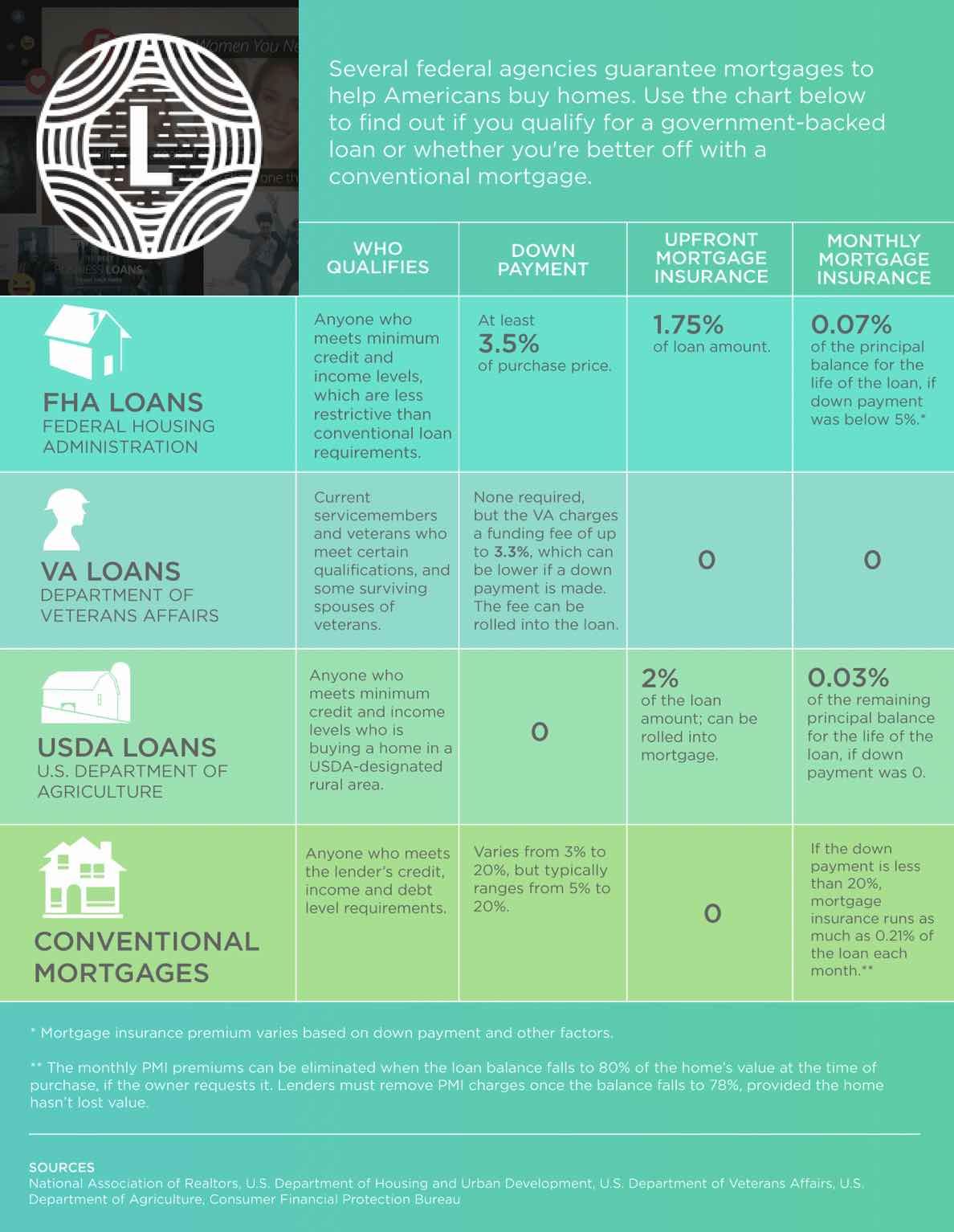
- Down Payments: Typically ranging from 3% to 20%, depending on the lender and borrower qualifications.
- Private Mortgage Insurance (PMI): Required if the down payment is less than 20%, protecting the lender in case of default.
- Loan Limits: Max limits established by Fannie Mae and Freddie Mac, varying by location.
Exploring Government-Backed Mortgages and Their Benefits
Government-backed mortgages are designed to promote homeownership among a broader segment of the population, providing favorable terms that can considerably ease the financial burden on prospective homeowners.These loans, which include FHA, VA, and USDA mortgages, often come with lower down payment requirements and more lenient credit score standards, making them accessible to individuals who might struggle to qualify for conventional loans. Borrowers can benefit from fixed or adjustable interest rates traditionally lower than those found in the conventional market, enhancing affordability over the life of the loan.
The benefits of opting for a government-backed mortgage extend beyond initial placement into a home. These loans can offer additional advantages such as:
- no private mortgage insurance (PMI) for VA loans, which decreases overall monthly payments.
- Increased flexibility in managing debt-to-income ratios, enabling buyers to qualify for higher loan amounts.
- Potential for streamlined refinancing, simplifying the transition to more advantageous rates and terms in the future.
Investing time in understanding the nuances between these government-sponsored options and conventional mortgages can lead to informed decisions that align perfectly with one’s financial capabilities and long-term goals.
Key Differences in Eligibility and Qualification Criteria
When exploring mortgage options, understanding eligibility and qualification criteria is essential.conventional loans are typically favored by borrowers with strong credit profiles, requiring a credit score of at least 620 and often a larger down payment, which can range from 3% to 20%. Lenders also examine the borrower’s debt-to-income ratio, generally preferring a ratio below 43%. Conversely, government-backed loans, such as FHA and VA loans, are designed to accommodate a broader range of financial backgrounds. As a notable example, FHA loans allow credit scores as low as 580 with a 3.5% down payment, making them accessible for first-time buyers. Similarly, VA loans have no minimum credit score set by the government and often require no down payment, catering specifically to veterans and active duty service members.
the differences extend beyond credit scores and down payments. While conventional loans may limit the amount a borrower can spend on a home based on their financial standing, government-backed loans typically offer more favorable terms, including lower interest rates and easier qualification. Here’s a concise comparison of the major qualifications for each type:
| criteria | Conventional loans | Government-Backed Loans |
|---|---|---|
| Minimum Credit Score | 620 | 580 (FHA), No standard (VA) |
| Down Payment | 3% – 20% | 3.5% (FHA), None (VA) |
| Debt-to-Income Ratio | Under 43% | Up to 50% |
Recommendations for Choosing the Right Mortgage Type Based on individual Needs
When selecting a mortgage type, it’s essential to align your choice with your financial situation, long-term goals, and risk tolerance. For those with steady income and a solid credit score, a conventional mortgage may offer greater flexibility in terms of loan amounts and fewer restrictions. However, if you are a first-time homebuyer, have a lower credit score, or lack sufficient down payment funds, government-backed loans such as FHA, VA, or USDA could provide advantageous options, including lower down payment requirements and possibly better interest rates.
To ensure your mortgage choice is well-suited to your personal circumstances,consider the following factors:
- Down Payment Capability: Determine how much you can afford to put down,as this influences your loan type.
- Credit Score: Knowing your credit score can definitely help you understand which mortgage options you qualify for.
- Loan term: Decide on the duration of the mortgage, whether it’s a shorter or longer term, which impacts monthly payments.
- Your Future Plans: Assess how long you plan to stay in the home, as this might affect your choice between fixed-rate and adjustable-rate loans.
| Loan Type | Key Benefits | Considerations |
|---|---|---|
| Conventional | Flexibility, no mortgage insurance for 20% or more down | Higher credit score needed, larger down payment |
| FHA | Lower down payment, easier qualification | MIP required, loan limits in place |
| VA | No down payment, no PMI | Eligible only for veterans and active-duty service members |
| USDA | No down payment, lower interest rates | Income limits apply, rural area only |
In Retrospect
understanding the key differences between conventional and government-backed mortgage types is crucial for making informed financial decisions. Each mortgage category offers distinct advantages and disadvantages, catering to different needs and circumstances. Conventional loans generally provide flexibility and competitive terms for borrowers with strong credit profiles, while government-backed loans, such as FHA and VA mortgages, present opportunities for individuals with lower credit scores or those who may face challenges in securing financing. By carefully evaluating personal financial situations and comparing the features of each mortgage type, borrowers can identify the most suitable option to achieve their homeownership goals. Ultimately, thorough research and, when necessary, consultations with mortgage professionals can pave the way for a prosperous and confident home-buying experience.