

Introduction
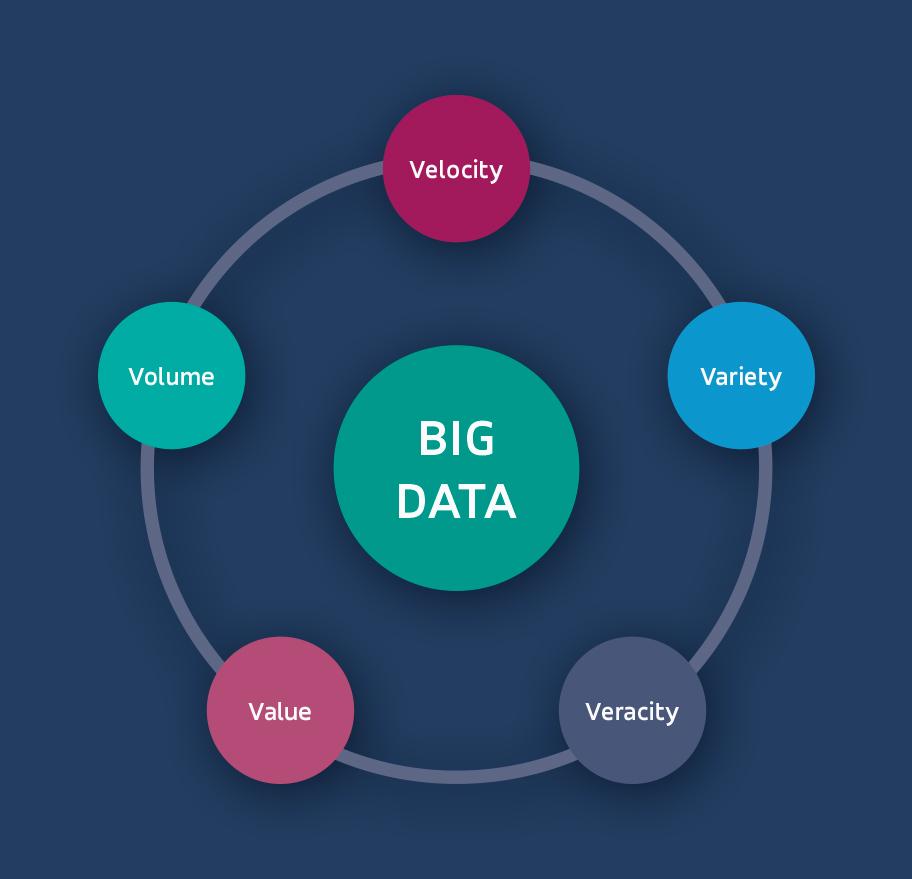
In today’s hyper-connected world, the real estate industry stands at the forefront of a transformative shift, driven by the relentless growth of big data. As agents and developers navigate an increasingly complex market, the ability to harness vast amounts of information has become paramount to informed decision-making. Big data, characterized by its volume, velocity, and variety, offers unprecedented insights into consumer behavior, market trends, and property valuations. This article will analyze how the integration of big data analytics into real estate strategies is not only reshaping the landscape of property investment and development but also redefining the metrics by which success is measured.By examining case studies and industry practices, we will uncover the implications of big data on forecasting, risk management, and customer engagement, providing a comprehensive understanding of its impact on a sector that is traditionally driven by intuition and experience. As we delve deeper into this phenomenon,we will elucidate how leveraging big data not only enhances operational efficiency but also empowers stakeholders to make more strategic,data-informed decisions in an era marked by volatility and rapid change.
Table of Contents
- Evaluating the Role of Predictive Analytics in Real Estate Investment Strategies
- understanding Consumer Behavior Through Data-Driven Market Insights
- Enhancing Property Valuation Models with Big Data Techniques
- Implementing Advanced data Visualization Tools for Informed Decision-Making
- Key Takeaways
Evaluating the Role of Predictive Analytics in Real estate Investment Strategies
In the evolving landscape of real estate investment, predictive analytics has emerged as a powerful tool that assists investors in making informed decisions. By leveraging vast amounts of data, analytics can uncover trends and forecast future performance, which substantially enhances the accuracy of investment strategies. Key aspects of predictive analytics include:
- Market Trends Analysis: Understanding changing buyer preferences and economic indicators that influence property values.
- Risk Assessment: Evaluating potential risks associated with investments, helping investors to navigate uncertainties.
- Portfolio Optimization: Tailoring asset allocations based on predictive models to maximize returns.
The integration of predictive analytics offers a tangible edge, fostering a proactive approach to real estate investment.Advanced algorithms that process past data can create dynamic models that guide decision-making, notably in competitive markets. An example of the impact of predictive analytics can be illustrated in the following table, showcasing various factors that can influence investment decisions:
| Factor | Impact on Investment |
|---|---|
| Economic Indicators | Helps predict market fluctuations and property demand. |
| Demographic Shifts | identifies emerging markets and investment opportunities. |
| Local Government Policies | Affects property regulations and tax implications. |
Understanding Consumer Behavior Through Data-Driven Market Insights
In the fast-paced world of real estate, understanding consumer behavior has become increasingly complex yet essential for making informed decisions.Data-driven insights provide a wealth of information about current market trends, demographic preferences, and buyer motivations. By analyzing large datasets, real estate professionals can pinpoint key factors influencing purchasing decisions, such as:
- Location Preferences: Assessing which neighborhoods are experiencing growth and why.
- Price Sensitivity: Understanding how different income levels impact buyer willingness to pay.
- Property Features: Identifying sought-after amenities that attract potential buyers.
Moreover, incorporating predictive analytics into market strategies can greatly enhance decision-making processes. By leveraging algorithms that analyze historical trends, real estate agents can better forecast future market movements and align their offerings accordingly. Consider the following table that highlights the comparative influence of various data-driven factors on buyer actions:
| Factor | Importance Rating (1-10) | Influence on Sales (%) |
|---|---|---|
| Neighborhood Growth | 9 | 38% |
| Price Adjustments | 8 | 30% |
| Home Features | 7 | 20% |
| Market Trends | 6 | 12% |
The interplay between these factors not only enhances the effectiveness of marketing strategies but also refines the overall consumer experience. by utilizing data analytics to dissect consumer behavior, real estate stakeholders can pave their way toward making strategic, timely, and informed decisions that resonate with their clientele.
Enhancing Property Valuation Models with Big Data Techniques
as the real estate market becomes increasingly complex, traditional property valuation methods may struggle to keep pace.By integrating big data techniques,real estate professionals can refine their valuation models,leveraging extensive datasets that encompass a range of variables. This enhanced approach allows for more accurate predictions by analyzing historical trends, current market conditions, and demographic shifts. Some key aspects of big data that contribute to improving valuation accuracy include:
- Sentiment Analysis: Monitoring social media and online reviews to gauge public perception about properties and neighborhoods.
- Geospatial Data: Utilizing geographic information systems (GIS) for in-depth location analysis, identifying the value of nearby amenities and infrastructure.
- Predictive Analytics: Employing algorithms to anticipate future market movements based on current data trends.
Adopting big data techniques in property valuation not only enhances precision but also expedites decision-making. The integration of machine learning models can distill vast amounts of data into clear insights, facilitating comparative analysis across properties. For instance, by comparing key indicators derived from various neighborhoods, investors can make informed decisions that minimize risk. Below is a sample comparison table showcasing how different factors can impact property valuations:
| Neighborhood | Average Price ($) | Price Trends (%) | Accessibility Score |
|---|---|---|---|
| Downtown | 1,200,000 | 6 | 95 |
| Suburbia | 750,000 | 3 | 80 |
| Rural area | 400,000 | 2 | 60 |
This data-driven overview allows stakeholders to evaluate potential investments more clearly, ultimately leading to smarter, data-backed decisions in the real estate landscape.
Implementing Advanced Data Visualization Tools for Informed Decision-Making
as the real estate market becomes increasingly data-driven, leveraging elegant data visualization tools can significantly enhance strategic planning and operational efficiency. By integrating platforms that allow for dynamic data depiction,stakeholders gain vital insights into market trends,property values,and investor behavior.this transition from traditional spreadsheets to interactive dashboards not only enhances user engagement but also empowers teams to make data-backed decisions with greater clarity. Key tools that can be implemented include:
- Tableau: Provides extensive visualization capabilities, allowing for blending of diverse data sources.
- Power BI: Offers seamless integration with Microsoft products, ideal for businesses entrenched in the Microsoft ecosystem.
- QlikView: features in-memory data processing for powerful visual analytics.
Moreover, the submission of these tools can elevate the understanding of demographic trends and buyer preferences, facilitating targeted marketing strategies that resonate with specific audiences. As an example, a well-crafted visual representation of regional property values juxtaposed with local economic indicators can unearth patterns that are not instantly apparent through numbers alone. This analytical approach not only informs property development investments but also assists in risk management by identifying emerging market challenges and opportunities. the following table illustrates potential insights derived from advanced data visualization:
| Metric | Current Value | Projected Value (Next Year) |
|---|---|---|
| Average property Price | $350,000 | $375,000 |
| Average Days on Market | 30 | 25 |
| Investment Returns (%) | 8 | 10 |
Key Takeaways
the infusion of big data into real estate decision-making is reshaping the landscape of the industry in profound ways.As we have explored, the ability to analyze vast amounts of data allows stakeholders—from investors to developers—to make informed, strategic choices that greatly mitigate risks and enhance profitability.The integration of predictive analytics, market trends, and consumer behavior insights reveals not just patterns, but also emerging opportunities that were previously obscured. However, as organizations harness the power of big data, they must remain vigilant regarding issues of data privacy, ethical considerations, and the potential for over-reliance on technological solutions.
The journey of integrating big data into real estate is ongoing, and as technology evolves, so too will the methodologies and tools employed for data analysis. Embracing this evolution will be crucial for industry professionals aiming to stay competitive in an increasingly data-driven market. By fostering a culture of continuous learning and adaptation, real estate stakeholders can unlock the full potential that big data offers, ensuring that their decision-making processes are not only smarter but also more aligned with the dynamic realities of the market. As we move forward, it is clear that the intersection of big data and real estate will continue to yield innovative approaches, ultimately reshaping how the industry operates and thrives in the years to come.