

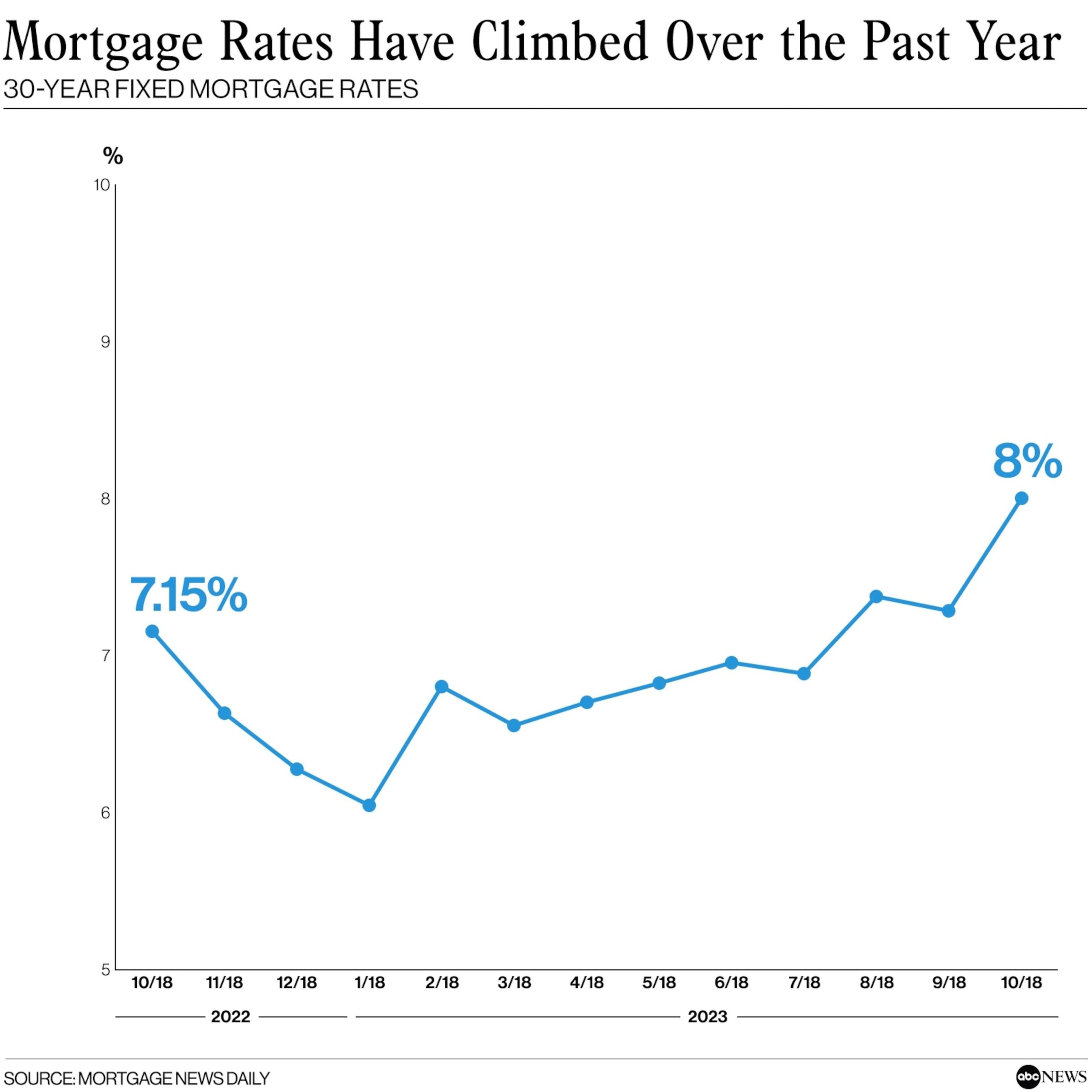
Mortgage interest rates play a crucial role in the housing market and the broader economy, influencing home affordability, consumer behavior, and financial stability. As prospective homeowners or investors navigate the complexities of mortgage lending, it becomes essential to grasp the underlying factors that dictate thes rates. This article aims to provide a comprehensive overview of the various elements that influence mortgage interest rate setting,including economic indicators,the role of the Federal Reserve,market competition,and risk assessment practices. By elucidating these factors, we aim to empower readers with a clearer understanding of the intricacies involved in mortgage pricing and the implications for borrowers and lenders alike.
table of Contents
- Understanding the Economic Indicators Influencing Mortgage Interest Rates
- Analyzing the Role of Central Banks in Shaping Interest Rate Policy
- Evaluating the impact of Market Conditions on Mortgage Pricing
- Strategies for borrowers to Navigate Fluctuating Interest Rates
- To wrap It Up
Understanding the Economic Indicators Influencing Mortgage interest Rates
Mortgage interest rates are influenced by a variety of economic indicators, which reflect the overall health of the economy. One key indicator is the Consumer Price Index (CPI), which measures the average change over time in the prices paid by consumers for a basket of goods and services. A rising CPI typically signals inflation, leading lenders to raise interest rates to maintain their profit margins. Additionally, employment rates and wage growth are critical factors; when more individuals are employed and wages increase, consumer confidence usually rises, driving demand for borrowing and ultimately pushing rates higher.
Another crucial consideration is the Federal Reserve’s monetary policy. When the Fed raises the federal funds rate to control inflation, borrowing becomes more expensive, which directly impacts mortgage rates. similarly, the gross domestic product (GDP) indicates economic performance; a growing GDP frequently enough results in higher interest rates as demand for credit increases. Other factors include the bond market, specifically the yield on the 10-year Treasury note, which is often mirrored in mortgage rates. Together,these indicators create a complex interplay that determines the interest rates lenders offer to borrowers.
Analyzing the Role of Central Banks in Shaping Interest Rate Policy
Central banks play a pivotal role in influencing interest rate policy, which in turn directly affects the cost of borrowing, including mortgage interest rates. By setting the benchmark rates, such as the federal funds rate in the United States, central banks aim to control inflation and stabilize the economy. When central banks lower interest rates, they encourage lending and spending, which can stimulate economic growth. Conversely, when the economy overheats, raising interest rates can help temper inflation by making borrowing more expensive. Thus,the actions of central banks create a ripple effect that resonates throughout the financial markets and the general economy.
Several key factors feed into how central banks formulate their interest rate strategies:
- Inflation Targets: Central banks often have specific inflation targets that guide their decisions.
- Economic Growth Indicators: Data on GDP growth and employment rates are closely monitored.
- Global Economic Conditions: International financial events can influence domestic interest rate decisions.
- Market Expectations: Central banks must consider how markets will react to their policy changes.
Below is a simplified view of the most commonly observed interest rate adjustments by central banks alongside their objectives:
| central Bank | interest Rate Decision | Objective |
|---|---|---|
| Federal Reserve (U.S.) | Raised by 0.25% | Control Inflation |
| European Central Bank | Lowered by 0.50% | Stimulate Growth |
| Bank of England | Unchanged | maintain Stability |
Evaluating the Impact of Market Conditions on Mortgage Pricing
The relationship between market conditions and mortgage pricing is important, as various economic factors can trigger fluctuations in interest rates. Key determinants include:
- Inflation Rates: Higher inflation often leads to increased mortgage rates as lenders anticipate that the purchasing power of money will decrease over time.
- Economic Growth: A booming economy can drive up rates due to increased demand for loans and a shift in borrower risk profiles.
- Federal Reserve Policies: Decisions made by the Federal Reserve regarding interest rates influence the overall mortgage market significantly.
- Unemployment Rates: Elevated unemployment can lead to decreased demand for mortgages, which may create competitive pricing among lenders.
additionally, the dynamics of the bond market have a direct influence on mortgage rates. When investors favor government bonds,mortgage rates may decrease as capital flows divert toward safer investments. A summary of recent trends can illustrate these interactions:
| Market Condition | Impact on Rates |
|---|---|
| Rise in Inflation | Typically leads to higher mortgage rates. |
| Strong GDP Growth | Often results in increased rates. |
| Fed Interest Rate Hike | Directly contributes to higher mortgage costs. |
| High Unemployment | May create downward pressure on rates. |
Strategies for Borrowers to Navigate Fluctuating interest Rates
Borrowers can use several strategies to mitigate the impact of fluctuating interest rates on their mortgage payments. Understanding market trends is crucial; keeping an eye on economic indicators such as inflation rates, employment statistics, and central bank announcements can provide insights into potential rate changes. Another effective strategy is to consider refinancing options. By refinancing to a fixed-rate mortgage during periods when rates are lower, borrowers can lock in a stable rate, protecting themselves from future increases. This approach can lead to significant savings over the life of the loan.
Additionally, borrowers should evaluate their loan terms carefully. Choosing a shorter loan term can often meen lower overall interest and quicker equity build-up. Creating a budget that allows for extra payments on the principal when interest rates rise can also provide a buffer against higher costs. Lastly, engaging with a financial advisor or mortgage broker can help tailor strategies specific to individual financial situations. To summarize the impact of different loan types, the following table outlines the expected performance of fixed versus variable-rate loans in varying interest rate environments:
| Loan Type | Low Interest Rate Environment | High Interest Rate Environment |
|---|---|---|
| Fixed-Rate Mortgage | Stability and predictability | higher total interest payment |
| Variable-Rate Mortgage | Potential for lower initial payments | Increased risk of payment spikes |
to Wrap It Up
understanding the factors behind mortgage interest rate setting is crucial for borrowers, financial professionals, and policymakers alike. By recognizing the interplay between economic indicators, central bank policies, and market dynamics, stakeholders can make more informed decisions that align with their financial goals. As the economic landscape continues to evolve, remaining vigilant and adaptable to these influencing elements will be essential for navigating the complexities of home financing. Ultimately, fostering a comprehensive understanding of mortgage interest rate mechanisms can empower individuals and institutions to better withstand fluctuations in the housing market and enhance their overall financial well-being.