

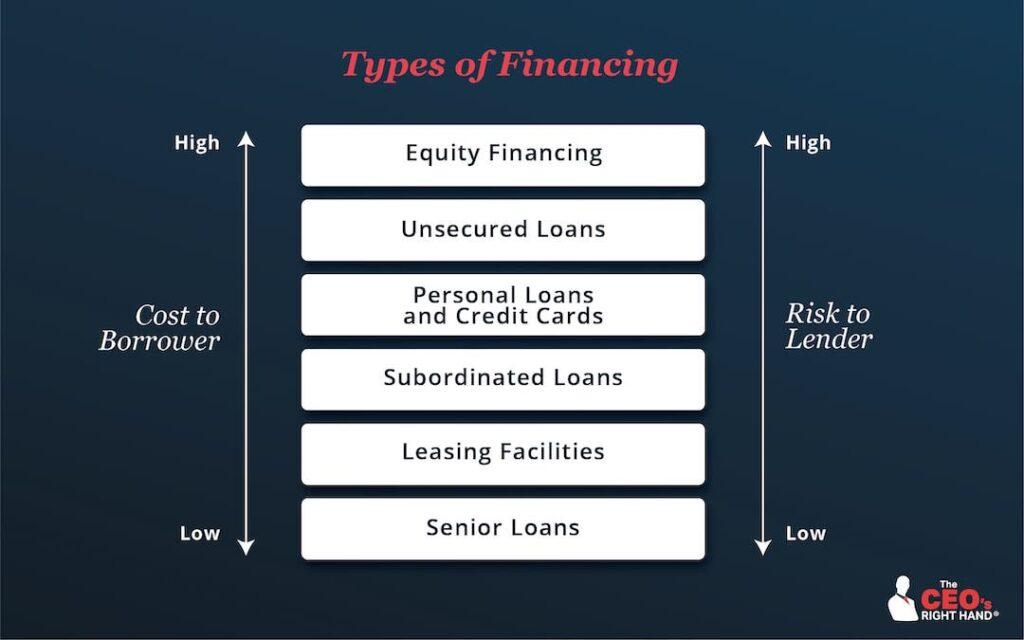
In an increasingly competitive real estate landscape, investors are continuously seeking innovative strategies to enhance their portfolio performance while managing risk. One such mechanism that has gained prominence among seasoned investors is the strategic use of debt financing.By leveraging borrowed capital, real estate professionals can amplify their purchasing power, optimize returns, and navigate fluctuations in market cycles. This article delves into the intricate dynamics of debt financing in real estate, exploring its various forms, potential benefits, and inherent risks. We will highlight key considerations for investors aiming to harness debt as a tool for strategic advantage, while also addressing the importance of prudent financial planning to mitigate the potential pitfalls associated with leveraged investments. Through a comprehensive analysis, we aim to equip real estate stakeholders with the knowledge required to make informed decisions in an evolving market landscape that continues to intertwine opportunity with complexity.
Table of Contents
- Understanding debt Financing Structures in Real Estate Investments
- Evaluating Cost of Capital and Risk Mitigation Strategies
- Strategic Portfolio Diversification Through Leveraged Acquisitions
- Maximizing Returns: best practices for Managing Debt in Real Estate
- In Conclusion
Understanding debt Financing Structures in Real Estate investments
Debt financing in real estate consists of various structures that allow investors to obtain capital while leveraging the properties they wish to acquire or develop. Understanding these structures is crucial for making informed investment decisions. Key types of debt financing include:
- Customary Mortgages: Long-term loans secured by the property itself, typically with fixed or adjustable interest rates.
- Commercial Loans: Financing specifically for commercial real estate,frequently enough with shorter terms and higher interest rates.
- Bridge Loans: Short-term loans designed to provide immediate capital, helping investors quickly secure properties before securing long-term financing.
- Mezzanine Financing: A hybrid of debt and equity financing that provides lenders rights to convert to equity if the loan is not paid back.
Each financing structure carries its own risk and return profile, and selecting the most suitable option is contingent upon the investor’s strategy and financial objectives. Key considerations when evaluating debt financing options include:
| Financing type | Term Length | Interest Rates | Risk Level |
|---|---|---|---|
| Traditional Mortgage | 15-30 Years | Fixed/Variable | Low |
| Commercial Loan | 5-10 Years | Higher | moderate |
| Bridge Loan | 6-12 Months | Higher | High |
| Mezzanine Financing | 3-5 Years | Intermediate | Moderate to High |
Evaluating Cost of capital and Risk Mitigation Strategies
In the realm of real estate investment, the cost of capital is a critical factor that can significantly influence returns. This encompasses not only the interest rates attached to borrowed funds but also the broader economic conditions affecting asset valuations and financing options. When leveraging debt, investors must assess the weighted average cost of capital (WACC), which reflects both debt and equity financing costs. A proper understanding of WACC allows investors to gauge the minimum acceptable return on an investment, ensuring that capital is allocated efficiently. Key considerations include:
- Interest rates: Current market rates can impact financing costs considerably.
- Creditworthiness: The investor’s credit profile affects the terms of debt financing.
- Risk premium: Additional returns required by investors for taking on additional risk.
Investors must adopt proactive risk mitigation strategies to safeguard against market volatilities and other unforeseen risks. These strategies might include diversifying investment portfolios across various property types and geographic locations. Furthermore, employing fixed-rate financing can stabilize cash flow and protect against rate fluctuations. An overview of viable risk mitigation techniques is outlined below:
| Strategy | Description |
|---|---|
| Diversification | Investing in a mix of property types and locations to spread risk. |
| Fixed-rate Debt | Locking in interest rates to avoid payment fluctuations. |
| Insurance | Utilizing property and liability insurance for risk coverage. |
| Market Analysis | Regular assessments of market trends to make informed decisions. |
Strategic Portfolio Diversification Through Leveraged Acquisitions
In the rapidly evolving landscape of real estate investment, leveraging acquisitions has emerged as a pivotal strategy for achieving strategic portfolio diversification. By utilizing debt financing, investors can acquire properties that significantly enhance their portfolio’s value, while together spreading risk across various asset classes and locations. This approach allows investors to not only capitalize on immediate market opportunities but also to tap into undervalued assets,unlocking growth potential. Key benefits of this tack include:
- Enhanced Cash flow: By acquiring income-generating properties, investors can increase their cash flow and mitigate risks associated with market fluctuations.
- Tax Advantages: Leveraging properties can offer attractive tax benefits, including interest deductions on loans.
- Market Positioning: A diversified portfolio positions investors favorably in both bullish and bearish market conditions, thereby sustaining long-term profitability.
Furthermore, adopting a comprehensive approach to leveraging acquisitions can significantly bolster an investor’s market presence. Identifying strategic properties that complement existing holdings can lead to synergies that enhance overall performance. It is indeed essential to perform rigorous due diligence and risk assessment to ensure that each acquisition aligns with the broader investment strategy. An analytical framework might look as follows:
| Property Type | Location | Current Value | Projected Growth |
|---|---|---|---|
| mixed-Use Development | Urban Center | $5 million | 8% annually |
| Commercial Office Space | Suburban Area | $3 million | 5% annually |
| Residential Complex | City Outskirts | $2 million | 6% annually |
By navigating the complexities of leveraged acquisitions with a focus on diversification, investors can effectively build robust and resilient portfolios capable of weathering market fluctuations while capitalizing on growth opportunities.
Maximizing Returns: Best Practices for Managing Debt in Real Estate
Effectively managing debt in real estate investments can significantly enhance your returns. First and foremost,it’s crucial to establish a clear understanding of your financing options. This includes recognizing the differences between fixed-rate, adjustable-rate, and interest-only loans.Leveraging low interest rates to finance property purchases can maximize cash flow, allowing for reinvestment in additional opportunities. Furthermore, utilizing financial projections and stress-testing your investment against potential economic downturns will help ensure your debt levels remain manageable during challenging times.
Additionally, consider employing a disciplined approach to debt service coverage ratios (DSCR) to gauge your ability to repay loans. A ratio of 1.25 or higher is often recommended to secure favorable loan terms and demonstrate financial stability. To illustrate the importance of cash reserves, the following table highlights optimal reserve levels based on investment sizes:
| Investment Size | recommended Reserve Fund |
|---|---|
| Under $100,000 | $5,000 |
| $100,000 – $500,000 | $15,000 |
| $500,000 – $1 Million | $30,000 |
| Over $1 Million | $50,000+ |
Incorporating regular evaluations of your portfolio can definitely help you adjust your debt strategies as market conditions change. By maintaining an agile approach and keeping abreast of market trends, investors can capitalize on opportunities to refinance or pay down debt strategically. Furthermore, it’s advisable to differentiate between good and bad debt; utilizing debt that leads to asset appreciation and income generation should be emphasized, while unneeded high-interest debt should be avoided. Implementing these best practices will not only facilitate better cash flow management but will also promote long-term financial success in the competitive realm of real estate investing.
In Conclusion
leveraging debt financing in strategic real estate investment is a powerful tool that, when utilized judiciously, can significantly enhance the potential for returns while optimizing risk exposure. Understanding the intricacies of various financing options,from traditional mortgages to more innovative financial instruments,is paramount for investors aiming to navigate the complex landscape of real estate effectively.
As this article has highlighted,a well-structured debt strategy not only allows for the acquisition of assets that may or else be unattainable but also helps in capitalizing on market opportunities and optimizing cash flow management. Moreover, the strategic application of leverage can facilitate portfolio diversification and amplify the overall investment strategy.
However, it is essential to recognize the inherent risks associated with debt financing, including market fluctuations and potential cash flow constraints. Hence, a thorough analysis of financial metrics, coupled with a robust understanding of market conditions, is critical in making informed decisions that align with long-term investment objectives.
As the real estate market continues to evolve, staying abreast of financing trends and employing a disciplined approach to debt management will empower investors to not only mitigate risks but also position themselves for enduring growth. In this ever-competitive arena, leveraging debt financing strategically is not merely a choice; it is a necessity for those seeking to maximize investment performance in today’s dynamic real estate landscape.