

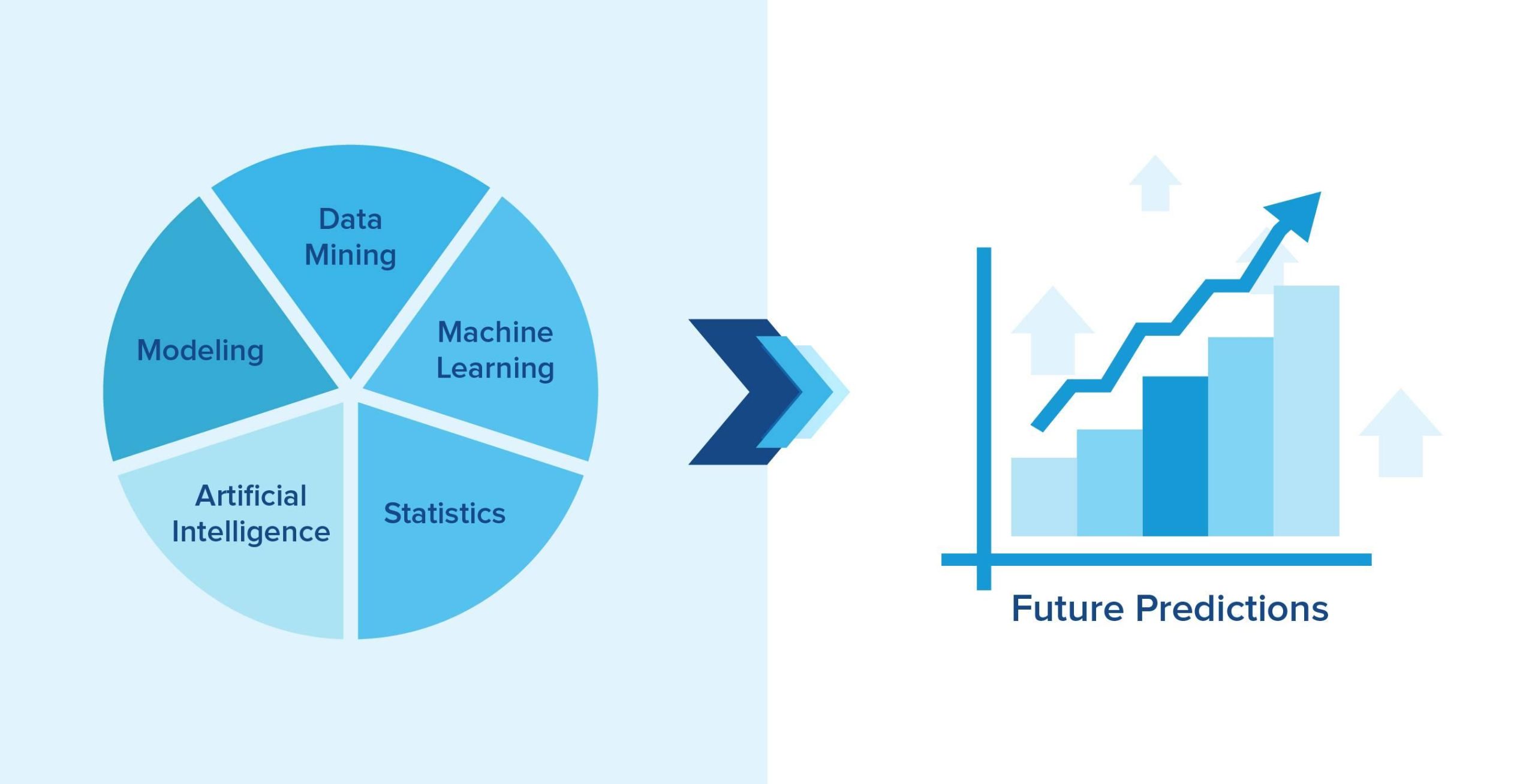
In today’s rapidly evolving real estate market, investors are increasingly turning to innovative technologies to gain a competitive edge. Among these advancements, predictive analytics has emerged as a pivotal tool, enabling investors to make informed decisions based on data-driven insights.By harnessing vast amounts of details—from historical property values and market trends to demographic shifts and economic indicators—predictive analytics offers a framework for anticipating future developments and identifying lucrative investment opportunities. This article will delve into the transformative role of predictive analytics in real estate, examining how it empowers investors to mitigate risks, enhance portfolio performance, and ultimately drive smarter investment strategies. As we explore the methodologies and case studies that highlight prosperous applications of predictive analytics, we will underscore its importance in navigating an increasingly complex marketplace, where traditional approaches alone no longer suffice.
Table of Contents
- leveraging Data-Driven Insights to Identify Emerging Real Estate Markets
- Optimizing Investment Strategies Through Predictive Modeling Techniques
- Enhancing Property Valuation Accuracy with Advanced Analytics
- Mitigating Risks in Real Estate Investments Using Predictive Analytics
- Closing Remarks
Leveraging Data-Driven Insights to Identify Emerging Real Estate Markets
In today’s competitive real estate landscape, identifying emerging markets is crucial for making informed investment decisions. By harnessing the power of predictive analytics,investors can decipher complex datasets to uncover trends and patterns that may not be immediately apparent. Key factors influencing emerging markets include:
- Local economic indicators: Job growth, income levels, and unemployment rates.
- Demographic shifts: Population growth, age distribution, and migration patterns.
- Real estate performance metrics: Property appreciation rates,rental yields,and vacancy rates.
Integrating these data points into a complete analytics platform allows investors to visualize market potential and identify opportunities for growth. Moreover, utilizing machine learning algorithms can enhance the accuracy of predictions, allowing for more strategic decision-making.Analyzing geographic data can reveal under-the-radar neighborhoods on the brink of revitalization, making them prime targets for investment. For instance:
| Neighborhood | Current Average Home Price | Projected 5-Year Growth |
|---|---|---|
| Smithville | $350,000 | 15% |
| Lakeside District | $275,000 | 20% |
| West End | $400,000 | 10% |
By focusing on these emerging areas, investors can capitalize on early-stage market growth and achieve substantial returns on their investments. Data-driven insights not only help in risk assessment but also foster a proactive investment approach in an ever-evolving real estate market.
Optimizing Investment Strategies Through Predictive Modeling Techniques
By integrating predictive modeling techniques into their investment strategies, real estate investors can gain a substantial edge in the competitive market. These techniques utilize advanced algorithms and data analytics to forecast market trends, property values, and potential risks. Through methods such as regression analysis,time series forecasting,and machine learning,investors can effectively identify high-potential areas and investment opportunities. For instance:
- Trend Analysis: Leveraging historical data to predict future market movements.
- Risk Assessment: Evaluating potential risks associated with specific investments by analyzing economic indicators.
- Property Valuation: Using predictive models to estimate property prices based on various factors.
Moreover, the growth of an integrated model can refine decision-making processes by providing actionable insights tailored to individual investment goals. By constructing a comprehensive dashboard that visualizes key metrics and projections, investors can make informed choices in real-time.A sample predictive analytics dashboard might include:
| Metric | Current Value | Projected Value (1 Year) |
|---|---|---|
| Average Property Price | $350,000 | $375,000 |
| Rental Yield (%) | 6.5% | 7.2% |
| Market Growth Rate (%) | 4.0% | 5.5% |
Enhancing Property Valuation Accuracy with Advanced Analytics
In the realm of real estate, accuracy in property valuation is paramount for informed investment decisions. Advanced analytics harness vast datasets, utilizing algorithms that calculate property values with enhanced precision. By integrating various data points, including historical sales, neighborhood trends, and economic indicators, investors can refine their understanding of market dynamics. One key approach involves the use of machine learning models that continuously evolve as new data becomes available, ensuring that valuations reflect the most current market conditions.
Moreover, predictive analytics facilitates the identification of emerging market opportunities.Investors can leverage insightful visualizations to spot trends and anomalies that coudl influence property value. Techniques such as regression analysis, geospatial analysis, and sentiment analysis enable a multi-faceted view of potential investments. This comprehensive framework not only boosts accuracy but also empowers investors to make proactive decisions. Below is a simple comparison of traditional valuation methods versus advanced analytics:
| Aspect | Traditional Valuation | Advanced Analytics |
|---|---|---|
| Data Sources | Limited historical sales data | Extensive datasets (macro & micro) |
| Analysis speed | Time-consuming manual processes | Rapid automated computations |
| Market Adaptability | Static value assessments | Dynamic models that adapt to new trends |
Mitigating Risks in Real Estate Investments Using Predictive Analytics
In the realm of real estate investments, the ability to foresee potential pitfalls is crucial for maximizing returns. Predictive analytics serves as a powerful tool, enabling investors to analyze historical data and recognize patterns that may indicate upcoming market shifts. By harnessing algorithms and machine learning models,investors can evaluate various factors such as economic indicators,demographic trends,and property values,ultimately refining their decision-making processes. Utilizing these insights allows for the identification of high-risk scenarios, empowering investors to act proactively rather than reactively.
To effectively mitigate risks, investors can focus on several key elements derived from predictive analytics:
- Market Trends: Analyze shifts in property demand and pricing to predict future performance.
- Neighborhood Analysis: Evaluate neighborhood trends based on crime rates, school ratings, and community developments.
- Investment Timing: Determine optimal times to enter or exit the market based on predictive modeling of economic conditions.
- Occupancy Rates: Use historical data to estimate potential vacancy risks and cash flow impacts.
The following table outlines how predictive analytics can improve risk management for real estate investments:
| Risk Factor | Predictive metric | Possible Mitigation strategies |
|---|---|---|
| Market Volatility | Trend Analysis | Diversification of portfolio |
| Property Value Decline | Historical Price Trends | Regular property evaluations |
| High Vacancy Rates | Occupancy forecasts | Targeted marketing and tenant incentives |
Closing Remarks
the integration of predictive analytics into real estate investment strategies marks a transformative shift in how industry professionals approach decision-making. By leveraging data-driven insights, investors can not only enhance their understanding of market trends and consumer behavior but also mitigate risks associated with property investments. As technologies advance and data becomes increasingly accessible, the ability to harness predictive analytics will set apart those who simply react to market dynamics from those who proactively shape their investment strategies.
As we move forward, it is indeed crucial for real estate investors to adopt a culture of continuous learning and adaptation, integrating predictive models into their operational frameworks. By doing so, they will not only gain a competitive edge but also contribute to a more resilient and insightful real estate market. In a landscape characterized by volatility and rapid change,the savvy investor will be one who anticipates shifts rather than merely responding to them. Thus, embracing predictive analytics is not just a strategic advantage; it is an essential component for success in the modern real estate arena.