

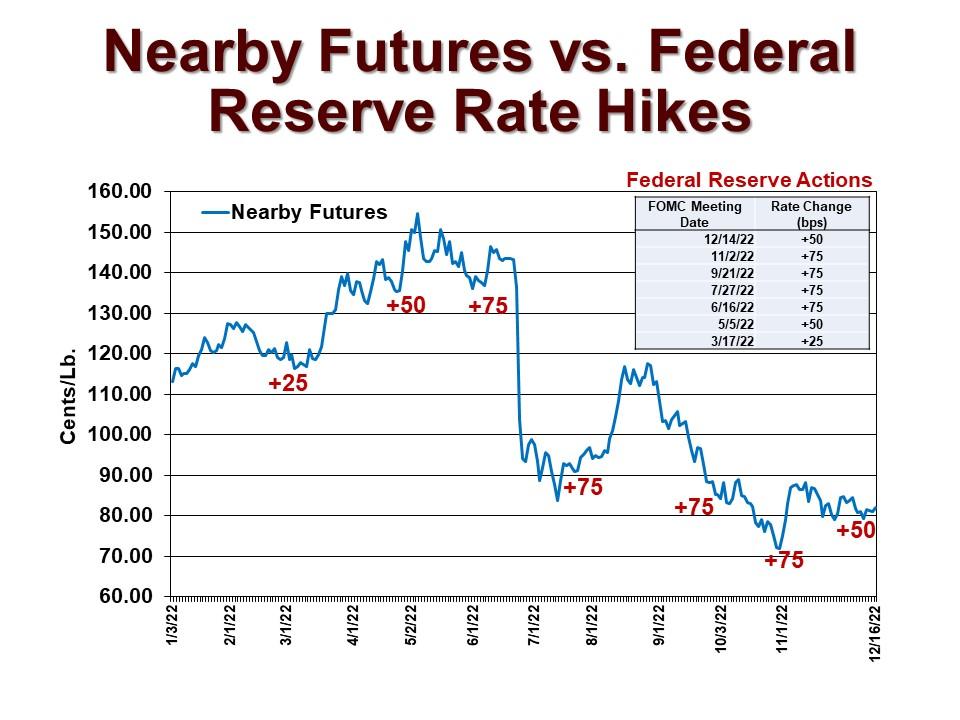
As financial landscapes evolve, few factors wield as much influence over the real estate market as interest rates. These pivotal rates not only dictate the cost of borrowing but also shape buyer behavior, investment strategies, and ultimately, the overall health of the property market. In recent years,fluctuations in interest rates have prompted a reevaluation of strategies among investors,homebuyers,and policymakers alike. With central banks around the world implementing various monetary policies aimed at stabilizing economies, understanding the interplay between interest rates and real estate dynamics has never been more critical.This article delves into how changes in interest rates impact housing affordability, market demand, and investment decisions, while also exploring potential future trends in a rapidly shifting economic environment.
Table of Contents
- impact of Interest Rate Fluctuations on Housing affordability
- Strategies for Buyers in a Rising Interest Rate Environment
- Investment Opportunities in Real estate Amid Changing Rates
- Long-Term Effects of Interest Rates on Market Trends and Property Values
- Concluding Remarks
Impact of Interest Rate Fluctuations on Housing Affordability
the fluctuations in interest rates exert a powerful influence on housing affordability, determining how much prospective buyers can borrow and their monthly payments. When interest rates rise, the cost of borrowing increases, leading to higher mortgage payments. For potential homeowners, this can mean a significant reduction in purchasing power. According to data trends, a mere 1% increase in interest rates can elevate monthly payments and sharply limit the price range of homes that buyers can consider. This frequently enough results in a ripple effect throughout the housing market, where demand may decrease, leading to longer selling times and possible price reductions in response.
Conversely,when interest rates decline,borrowing becomes cheaper,which can boost affordability and stimulate demand. As buyers find thay can afford larger loans, ther is frequently enough a surge in home purchases and new constructions. This phenomenon can sometimes lead to a heated housing market, where prices escalate due to heightened demand and limited supply. To illustrate the relationship between interest rates and housing affordability,consider the following table:
| Interest Rate (%) | Monthly Payment for $300,000 Mortgage | potential Home Price Range for Buyers |
|---|---|---|
| 3.0 | $1,264 | $350,000 – $400,000 |
| 4.0 | $1,432 | $300,000 – $350,000 |
| 5.0 | $1,610 | $250,000 – $300,000 |
This tightening of affordability can have broader implications for the economy, influencing spending, consumer confidence, and ultimately, market stability. Thus, understanding the dynamics of interest rate changes is crucial for both buyers and sellers in navigating the complexities of the real estate market.
Strategies for Buyers in a Rising Interest Rate Environment
In a scenario where interest rates climb, it is essential for potential homebuyers to adopt a proactive approach to their purchasing strategy. Prioritizing budget analysis is crucial; buyers should assess their finances to understand how increased rates will influence monthly mortgage payments. Consider these points for effective budgeting:
- Re-evaluate affordable price ranges: Higher interest rates mean higher monthly payments, so be sure to calculate your maximum cozy spending.
- Consider adjustable-rate mortgages (ARMs): While they initially offer lower rates, it’s vital to understand the risks of future increases.
- Utilize mortgage calculators: These tools can help project future payments and visualize the impact of various interest rates.
Additionally,taking advantage of market conditions can help mitigate the challenges posed by rising rates. Buyers should think about engaging in the following strategies:
- Explore niche markets: Areas that have remained relatively untouched can offer competitive prices, even amid rising rates, potentially leading to a better deal.
- Negotiate with sellers: Sellers may be more willing to negotiate favorable terms given the current economic climate.
- Consider timing: If possible, wait for seasonal slowdowns in the real estate market to find better deals without the pressure of multiple offers.
Investment Opportunities in Real Estate Amid Changing rates
As the financial landscape shifts with changing interest rates, investors are presented with a unique set of opportunities within the real estate market. Lower interest rates can considerably reduce borrowing costs, making property investments more financially accessible.With favorable conditions, investors might consider:
- Residential Properties: Homes can become attractive investments due to increased affordability for buyers.
- Commercial real Estate: Lower rates can spark activity in the commercial sector as businesses look to capitalize on cost-effective financing.
- Real Estate Investment Trusts (REITs): These can provide diversification and yield, benefiting from the liquidity that lower rates bring.
Conversely, rising interest rates can present challenges but also potential advantages for strategic investors. as financing becomes more expensive, some investors may shy away, creating opportunities for those willing to engage in a competitive market. Key strategies to consider include:
- Distressed Properties: Fewer buyers in the market might lead to lucrative deals on properties needing renovation or repositioning.
- Long-term Holdings: Properties can act as a hedge against inflation, preserving value even in volatile economic conditions.
- Negotiation Leverage: Sellers may be more willing to negotiate as competition decreases, leading to potentially favorable purchase prices.
Long-term Effects of Interest Rates on Market Trends and Property Values
The relationship between interest rates and the real estate market is profound, with long-term effects that can significantly shape property values over time. When interest rates rise, borrowing becomes more expensive, which tends to dampen demand for homes. This can lead to a slowdown in the housing market, resulting in flattened or even declining property values. On the other hand, lower interest rates can stimulate buyer enthusiasm, encouraging investment and driving up property values as more individuals and families plunge into the market. the cyclical nature of this relationship means that economic conditions, global events, and monetary policy can all exert significant influence, forcing market participants to adapt continuously.
In examining historical trends, it’s evident that prolonged periods of either high or low interest rates can create patterns in property valuation trends. Key factors that determine these long-term effects include:
- Market Sentiment: Changes in interest rates impact investor confidence, influencing both buyer and seller behaviors.
- Inflation Rates: Interest rates often correlate with inflation; rising inflation could prompt higher interest rates, negatively impacting property values.
- Economic growth: Sustained economic growth usually coincides with higher interest rates, which can initially suppress housing demand but ultimately lead to increased investment.
- Regulatory Changes: Adjustments in policies can also alter the playing field,affecting how interest rates influence market dynamics.
Concluding Remarks
As we conclude our exploration of the intricate relationship between interest rates and real estate markets, it becomes evident that these economic indicators serve as pivotal signals for both buyers and investors. Fluctuations in interest rates not only influence mortgage affordability but also reshape market dynamics, dictating the pace of buying and selling activity. Understanding these trends is essential for anyone involved in real estate—whether you’re a first-time homebuyer, a seasoned investor, or a real estate professional.
As we anticipate future shifts in interest rates, staying informed and adaptable will be key for navigating the ever-evolving landscape of real estate. Market participants must remain vigilant, continuously analyzing economic indicators and policy changes to make informed decisions. In a climate characterized by uncertainty, those who proactively engage with these factors will be better positioned to seize opportunities and mitigate risks. Ultimately, the interplay between interest rates and real estate markets continues to underscore the importance of economic literacy in achieving success in this dynamic field.