

Introduction:
In the dynamic landscape of real estate investing,where opportunities and challenges abound,strategic risk management emerges as a pivotal component for achieving sustained success.As market conditions fluctuate and uncertainties loom,investors are increasingly recognizing that the ability to identify,assess,and mitigate risks is not just a safeguard,but a basic driver of value. This article delves into the intricate relationship between strategic risk management and successful real estate investment, emphasizing the frameworks and methodologies that empower investors to navigate potential pitfalls while capitalizing on lucrative prospects. by integrating robust risk management practices into their investment strategies, stakeholders can enhance their decision-making processes, optimize portfolio performance, and ultimately secure a competitive edge in a crowded marketplace. whether your a seasoned investor or a newcomer to the field, understanding and implementing effective risk management strategies is essential for thriving in today’s complex real estate environment.
Table of Contents
- Identifying and Assessing Strategic Risks in Real Estate Investment
- Developing a Comprehensive Risk Mitigation Framework for Real Estate projects
- Leveraging Data Analytics to Enhance Risk Management Strategies
- Integrating Market trends and Economic Indicators into Risk Planning
- In Summary
Identifying and Assessing Strategic Risks in Real Estate Investment
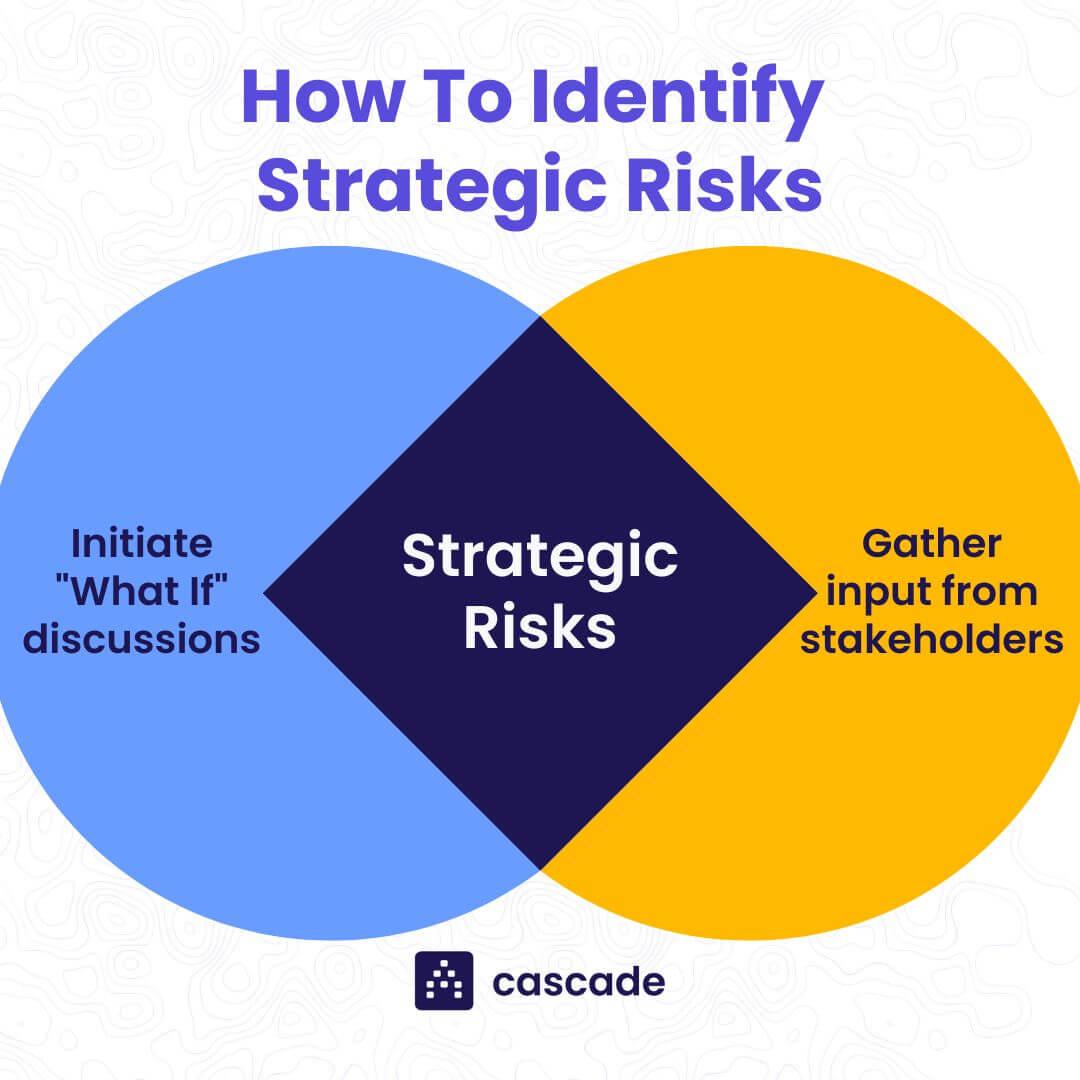
In the realm of real estate investment, strategic risks are often interwoven with market dynamics and external challenges. Investors must conduct a thorough assessment to identify potential pitfalls early in the decision-making process. This involves evaluating various factors such as market trends, regulatory changes, financial stability, and geopolitical influences. By creating a comprehensive risk profile, investors can prioritize which risks could significantly impact their portfolio and devise targeted strategies to mitigate these threats.
A key aspect of effective risk assessment is leveraging data analytics tools to forecast future trends and patterns. analyzing ancient data allows investors to gauge the potential volatility of specific markets. Additionally, diversifying the investment portfolio across different sectors—like residential, commercial, and industrial properties—can help reduce risk exposure. Below is a table summarizing common strategic risks and their potential impacts:
| Strategic Risk | Potential Impact |
|---|---|
| Market Fluctuations | Variable property values leading to reduced ROI |
| Regulatory Changes | Increased compliance costs,potential penalties |
| economic Downturns | Higher vacancy rates,slowed demand |
| Geopolitical Tensions | Investment instability and fluctuating market confidence |
Developing a Comprehensive Risk Mitigation Framework for Real Estate Projects
creating a robust risk mitigation framework is essential for the long-term viability of real estate projects. A well-structured approach should encompass multiple dimensions, ensuring a thorough examination of potential threats. Key elements to consider include:
- Market Analysis: Conduct regular assessments of market trends to anticipate fluctuations in property values and demand.
- Financial Planning: Develop detailed budgets and financial models to account for varying scenarios, including cost overruns and unexpected expenses.
- Due Diligence: Implement rigorous due diligence protocols to vet properties, ensuring that all legal, environmental, and structural concerns are addressed.
- Insurance Strategies: Utilize comprehensive insurance products to safeguard against unforeseen events, such as natural disasters or market crashes.
- Stakeholder Engagement: Maintain clear communication with all stakeholders, from investors to contractors, to facilitate collaboration and mitigate conflicts.
A systematic evaluation of risks should also include the creation of a risk register,which can serve as an effective tool for monitoring and managing risks throughout the project lifecycle. This register may encompass:
| Risk Type | Impact | Mitigation Strategy |
|---|---|---|
| Market risk | High | Diverse portfolio investments |
| Operational Risk | Medium | Robust project management practices |
| Legal Risk | High | Engage legal experts for compliance |
| Financial Risk | Medium | Secure flexible financing options |
This framework, when effectively implemented, not only enhances the resilience of investments but also positions stakeholders to capitalize on opportunities in an ever-evolving market. By adopting a proactive stance towards risk management, real estate investors can significantly enhance their potential for success and foster lasting growth.
Leveraging Data Analytics to Enhance Risk Management Strategies
In today’s dynamic real estate market,data analytics serves as a pivotal tool for improving risk management strategies. by harnessing vast amounts of data, investors can gain valuable insights that go beyond customary methods. This allows for a more informed approach to identifying potential risks associated with properties and investment opportunities. Key areas where data analytics can enhance risk management include:
- Market Trends: Analyzing historical and current market data to predict future trends.
- Property Valuation: Utilizing algorithms to assess property values more accurately.
- Tenant Behavior: Understanding tenant preferences and behavior patterns to minimize vacancy risks.
- Financial Health: Monitoring financial metrics to foresee potential financial pitfalls.
Moreover, integrating predictive analytics into risk management can empower investors to proactively manage risks before they escalate. By employing statistical models and machine learning techniques, stakeholders can simulate different investment scenarios and their potential outcomes. An effective dashboard that combines these insights can display critical metrics such as:
| Metric | Current Value | Target Value |
|---|---|---|
| Occupancy Rate | 85% | 95% |
| Average Rental Price | $1,200 | $1,400 |
| Debt-to-Income Ratio | 35% | 30% |
this data-driven approach not only aids in effective decision-making but also supports the growth of customized risk mitigation strategies tailored to each investment scenario. By systematically evaluating these metrics, investors can significantly enhance their resilience against market volatility and potential losses.
Integrating Market Trends and Economic Indicators into Risk Planning
Understanding market trends and economic indicators is essential for real estate investors aiming to minimize risk and enhance profitability. regularly analyzing various data points can lead to informed decisions that align with broader economic conditions.While assessing opportunities, consider the following aspects:
- Interest Rates: Fluctuating rates can influence mortgage affordability and investment returns.
- Employment Rates: High employment typically correlates with increased housing demand.
- Consumer Confidence Index: This metric can gauge buyer sentiment and future purchasing likelihood.
Moreover, integrating these insights into your risk planning enables a proactive approach in anticipating market shifts.For a structured evaluation, consider creating a risk assessment table that maps market trends against potential investments:
| Economic Indicator | Current Trend | Risk level |
|---|---|---|
| Interest Rates | Increasing | Medium |
| Housing Supply | Decreasing | High |
| Consumer Confidence | Stable | Low |
This table serves as a visual tool in identifying potential risks and preparing investment strategies that are resilient to economic fluctuations.
In Summary
the realm of real estate investing presents both significant opportunities and inherent risks that, when managed strategically, can lead to sustainable success.As we’ve explored, an effective strategic risk management framework not only safeguards your investments but also paves the way for informed decision-making, enhanced asset performance, and long-term profitability.By integrating comprehensive market analysis, proactive risk identification, and robust mitigation strategies, investors can navigate the complexities of the real estate landscape with confidence. As you embark on your investment journey, remember that anticipating challenges and embracing an adaptive mindset are key to thriving in this dynamic market. With the right approach, your real estate endeavors can not only meet but exceed your business objectives, setting the stage for a prosperous future. Always prioritize strategic planning and informed risk management as cornerstones of your investment strategy, and you will be well-equipped to achieve your real estate goals.