

In a dynamic economy, few forces are as pivotal as the principles of supply and demand, particularly within the real estate sector. As housing needs evolve and economic conditions fluctuate, these fundamental concepts shape property values, availability, and ultimately, the decisions made by buyers, sellers, and investors alike. This article delves into the intricate relationship between supply and demand in the real estate markets, exploring how these forces interact to influence market trends, pricing strategies, and investment opportunities. By examining current data and expert insights, we aim to provide a comprehensive understanding of how supply and demand dynamics can inform strategic choices in real estate, thus equipping stakeholders with the knowledge needed to navigate an ever-changing landscape.
Table of Contents
- Understanding the Fundamentals of Supply and Demand in Real Estate Markets
- Analyzing Current Trends and Their Influence on Property Values
- Strategic Approaches for Investors in a Fluctuating Market
- Long-Term Implications of Supply and Demand Dynamics on Urban Development
- To Conclude
Understanding the Fundamentals of Supply and Demand in Real Estate Markets
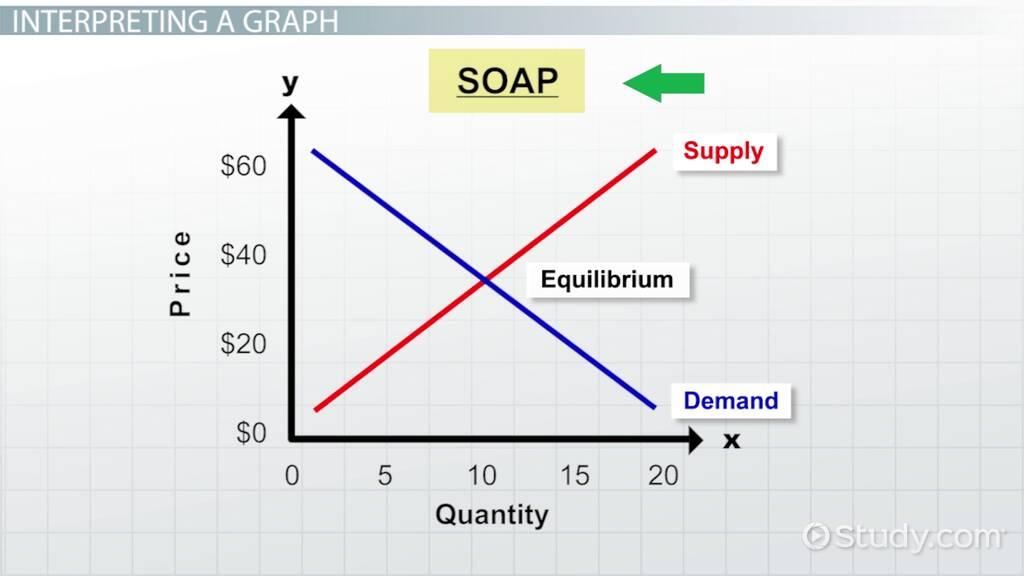
In real estate markets, the principles of supply and demand function as the cornerstone for pricing and availability. When demand for properties exceeds the available supply, prices naturally rise. This scenario often occurs in desirable locations, where factors such as job opportunities, school quality, and amenities attract potential buyers. Key elements contributing to high demand include:
- Population Growth: An influx of residents can increase demand for housing.
- Interest Rates: Lower borrowing costs can lead to increased buying activity.
- Economic Conditions: A booming economy often stimulates real estate interest.
Conversely, when there is a surplus of properties on the market, prices tend to decline, creating a buyer’s market. This could be influenced by various factors like an economic downturn or an oversupply of new construction. In these conditions, sellers may feel pressured to lower prices to attract buyers, resulting in a shift in market dynamics. Factors that may contribute to an oversupply situation include:
- High Construction Rates: Excessive new developments can lead to a glut in available homes.
- Foreclosures: An increase in foreclosures can significantly raise supply levels.
- Changing Buyer Preferences: Shifts in what buyers want can leave certain properties less desirable.
| Market Condition | Effect on Prices |
|---|---|
| High Demand | Increasing prices |
| Low Demand | Decreasing prices |
| High Supply | Decreasing prices |
| Low Supply | Increasing prices |
Analyzing Current Trends and Their Influence on Property Values
In the ever-evolving landscape of real estate, understanding how current societal and economic trends shape property values is crucial for investors and homeowners alike. Recent shifts, such as the rise in remote work, have led to a significant demand for larger homes in suburban areas, causing property values in these regions to surge. Additionally, the ongoing sustainability movement has prompted buyers to favor eco-friendly homes equipped with energy-efficient appliances, driving up the worth of properties that meet these demands. As the market adapts to these changing preferences, it’s clear that a keen awareness of societal values can offer significant leverage in investment strategies.
Moreover, the influence of technology cannot be understated. With an increasing reliance on online platforms for property search and sales, the market has seen a tactical shift towards areas with robust internet infrastructure, further impacting local property values. Investors need to contemplate factors such as urban development, transportation accessibility, and the availability of amenities when assessing potential investments. Below is a summary of influential factors on current property trends:
| Trend | Impact on Property Values |
|---|---|
| Remote Work | Increased demand for suburban homes |
| Sustainability Initiatives | Higher value for eco-friendly properties |
| Technological Advancements | Shift towards areas with strong internet connectivity |
| Urbanization | Rising values in accessible metropolitan areas |
Strategic Approaches for Investors in a Fluctuating Market
In a fluctuating market, investors must adopt strategic approaches that consider the interplay of supply and demand dynamics in real estate. Understanding market cycles is essential; investors should focus on the stages of the cycle—whether it be expansion, peak, contraction, or trough. Each phase presents unique opportunities and challenges that can dictate investment decisions. To navigate these cycles effectively, investors can:
- Conduct thorough market research to identify emerging trends.
- Analyze pricing patterns and inventory levels to assess supply constraints.
- Utilize data-driven forecasts to anticipate shifts in demand.
- Explore diversification across geographical regions and property types.
Additionally, reinforcing a flexible investment mindset allows for quick adaptations to unexpected changes in the market. Investors should also maintain a robust financial cushion, enabling them to capitalize on undervalued properties during downturns. This approach not only mitigates risks but also enhances the potential for significant returns. Here’s a simplified overview of various property types and their risk-reward ratios in fluctuating markets:
| Property Type | Risk Level | Potential Reward |
|---|---|---|
| Residential Real Estate | Moderate | Stable cash flow |
| Commercial Properties | High | Significant profit potential |
| Industrial Real Estate | Low | Consistent demand |
| Retail Spaces | High | High return with risks |
Long-Term Implications of Supply and Demand Dynamics on Urban Development
The delicate balance between supply and demand profoundly influences urban development, shaping the physical and economic landscapes of cities. As population growth drives demand for residential and commercial spaces, the resulting competition often leads to increased property prices, compelling municipalities to reassess zoning regulations and building codes. Developers, investors, and policymakers must navigate these changing dynamics to ensure that they meet the needs of the population while fostering sustainable growth. Additionally, the interaction between demand cycles and supply pipelines can lead to significant shifts in land use, with urban areas transforming as preferences change, such as from single-family homes to mixed-use developments.
Long-term effects of these dynamics are evident in urban sprawl and the evolution of infrastructure. As demand outpaces supply, cities may expand their boundaries to accommodate new housing, often at the cost of agricultural land or natural spaces. Key factors influencing these developments include:
- Economic trends and employment opportunities
- Shifts in consumer preferences for urban living
- Investment in public transport and amenities
Failure to align supply with sustained demand can result in housing shortages, increased congestion, and a diminished quality of life. Understanding these intricacies is crucial for stakeholders aiming to craft policies that not only address present needs but also pave the way for a resilient urban future.
To Conclude
grasping the intricate dynamics of supply and demand is essential for anyone navigating the real estate market. As we have explored, fluctuations in these fundamental economic principles significantly influence property values, availability, and investment opportunities. With shifting demographics, economic conditions, and policy changes continually reshaping the landscape, both buyers and sellers must remain vigilant and informed. Understanding these factors not only aids in making sound investment decisions but also fosters a more nuanced comprehension of the market’s broader implications. As the real estate sector continues to evolve, staying attuned to the underlying forces of supply and demand will remain critical for success in this ever-changing industry. As we move forward, continuous research and analysis will be key for stakeholders looking to thrive in a competitive environment.