

As the golden years approach, ensuring financial security and maintaining a comfortable lifestyle become paramount concerns for many individuals. While traditional retirement savings options like 401(k)s and IRAs have their merits, savvy investors are increasingly turning to real estate as a compelling alternative. In this article, we will explore why real estate should be considered a smart investment choice for retirement, highlighting its potential for passive income, long-term appreciation, and the unique benefits it offers in a diversified portfolio. Whether you’re a seasoned investor or just beginning to explore your retirement options, understanding the advantages of real estate can empower you to make informed decisions that contribute to a secure and fulfilling retirement. Join us as we delve into the reasons why investing in real estate is not just a trend, but a timeless strategy for securing a prosperous financial future.
Table of Contents
- Understanding the Financial Benefits of Real Estate in Retirement Planning
- Maximizing Passive Income: The Power of Rental Properties for Long-Term Security
- Diversification and Risk Management: How Real Estate Complements Your Investment Portfolio
- Navigating the Real Estate Market: Tips for Protecting and Growing Your Retirement Wealth
- To Wrap It Up
Understanding the Financial Benefits of Real Estate in Retirement Planning
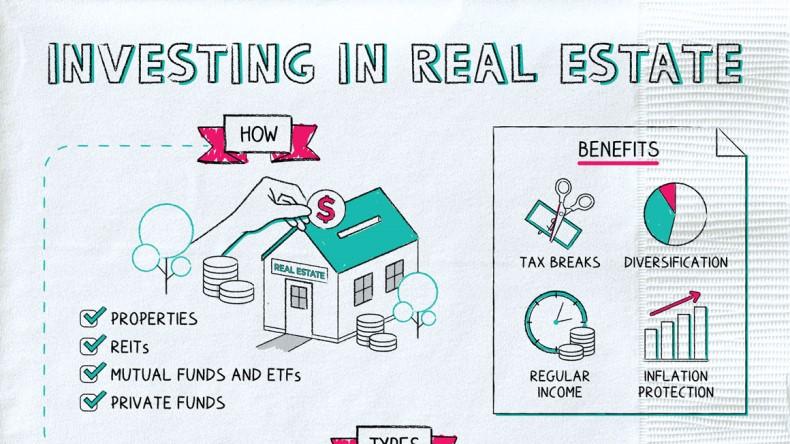
When considering retirement investments, putting funds into real estate can yield considerable financial advantages that traditional assets often cannot match. Cash flow is one of the primary benefits, as rental properties provide a steady income stream that can supplement retirement savings. In addition, real estate typically appreciates over time, allowing investors to build equity and potentially sell for a profit in the future. Unlike stocks or bonds, property has intrinsic value that can protect against inflation, which is critical during retirement when maintaining purchasing power is essential.
Moreover, real estate investments offer significant tax benefits that can enhance overall financial stability in retirement. Homeowners can leverage deductions for mortgage interest, property taxes, and depreciation. This can lead to a lower taxable income and ultimately higher net returns. Consider the following potential advantages of real estate in retirement planning:
- Passive Income: Rental income provides ongoing revenue.
- Tax Advantages: Various deductions and strategies to reduce taxable income.
- Inflation Hedge: Property values often increase with inflation.
- Legacy Building: Real estate can be inherited, providing financial security for heirs.
Maximizing Passive Income: The Power of Rental Properties for Long-Term Security
Investing in rental properties can serve as a strategic avenue for generating passive income, offering substantial potential for long-term financial security. With the right approach, property ownership can yield consistent cash flow, often outpacing traditional savings accounts and other investment vehicles. Key benefits of rental properties include:
- Steady Income Stream: Monthly rent payments provide a reliable source of income.
- Tax Advantages: Property owners can benefit from various tax deductions, including mortgage interest and depreciation.
- Equity Build-Up: As property values appreciate and mortgages are paid down, owners build equity, contributing to overall net worth.
- Inflation Hedge: Real estate often appreciates over time, which can help mitigate the impact of inflation on savings.
To illustrate the potential returns on rental properties compared to other types of investments, consider the following example:
| Investment Type | Average Annual Return (%) |
|---|---|
| Residential Rental Property | 8-12 |
| Stock Market (S&P 500) | 7-10 |
| High-Interest Savings Account | 0.5-2 |
The potential for higher returns and the tangible nature of real estate make it a smart choice for retirees looking to secure their financial future. By carefully selecting properties and managing them effectively, investors can not only maximize their income but also create a sustainable pathway toward wealth accumulation. Whether you are just starting or looking to expand an existing portfolio, the power of rental properties can provide a robust foundation for a comfortable retirement.
Diversification and Risk Management: How Real Estate Complements Your Investment Portfolio
Incorporating real estate into your investment strategy can significantly enhance your portfolio’s resilience. Unlike stocks and bonds, which can be highly volatile, real estate generally exhibits a lower correlation with these traditional assets. This means that when stock prices dip, real estate assets often hold or even appreciate in value, providing a buffer against market fluctuations. By diversifying across different asset classes, you foster a more stable investment environment, potentially reducing overall risk.
Moreover, real estate offers unique advantages that traditional investments cannot match. Consider the following benefits that underscore its value in risk management:
- Inflation Hedge: Real estate tends to increase in value alongside inflation, helping preserve your purchasing power.
- Income Generation: Rental properties can provide steady cash flow, creating passive income to support your retirement lifestyle.
- Tax Benefits: Property ownership can lead to tax deductions, further enhancing net returns.
Utilizing a well-balanced strategy that includes real estate can not only mitigate risks but also amplify overall returns. Below is a simple overview of how different assets behave under various economic conditions:
| Asset Type | Correlation to Stock Market | Performance During Inflation |
|---|---|---|
| Real Estate | Low | Strong |
| Stocks | High | Variable |
| Bonds | Medium | Poor |
Navigating the Real Estate Market: Tips for Protecting and Growing Your Retirement Wealth
Investing in real estate can be an excellent way to safeguard your retirement wealth while providing opportunities for growth. One essential strategy is to diversify your real estate portfolio. This means investing in different types of properties such as residential, commercial, and rental properties to spread risk. Additionally, consider geographical diversification by investing in properties located in various markets. This approach can help mitigate losses if one area experiences a downturn. Furthermore, conduct thorough market research to identify up-and-coming neighborhoods, which could offer higher appreciation rates over time.
Another important tip is to leverage financing wisely. Using mortgage financing to acquire rental properties allows you to control more assets with less cash upfront. However, be sure to keep a close eye on interest rates and loan terms to avoid potential pitfalls. It’s also beneficial to establish a strong cash flow by ensuring rental income covers mortgage and maintenance costs. Regularly review your investment strategy and adjust as market conditions change, keeping an eye on factors like interest rates, local employment rates, and housing demand.
To Wrap It Up
investing in real estate as part of your retirement strategy offers numerous advantages that can enhance your financial security and freedom in your golden years. From the potential for steady income through rental properties to the opportunity for significant appreciation over time, real estate stands out as a tangible and resilient asset class. By diversifying your portfolio with well-chosen real estate investments, you not only mitigate risks but also position yourself to take advantage of market trends that could yield impressive returns.
As you plan for retirement, consider the unique benefits that real estate can bring to your financial landscape. Start by researching local markets, networking with industry professionals, and assessing your personal investment goals. With thoughtful planning and strategic selections, real estate can be an integral part of a secure and prosperous retirement.
Thank you for joining us as we explored the merits of real estate investing. We hope this article has provided you with valuable insights and encourages you to take the next steps in your investment journey. Happy investing!