

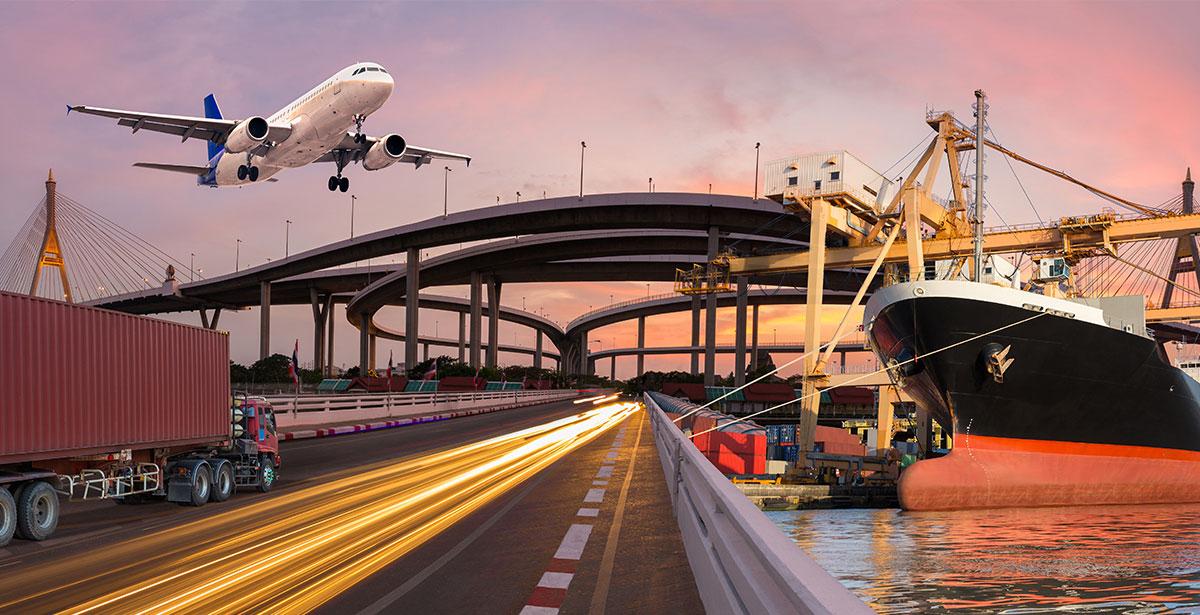
As urban centers continue to evolve in response to shifting demographic trends and economic demands, the role of transportation infrastructure stands as a pivotal element influencing real estate markets across the globe. From bustling metropolitan hubs to emerging suburban landscapes, the accessibility and efficiency of transit systems are not merely conveniences; they are crucial determinants that shape property values, development potential, and investment strategies. In an era where sustainable and smart growth is at the forefront of urban planning, the integration of innovative transportation solutions is transforming the way we think about land use and community development. This article explores the intricate relationship between transportation infrastructure and real estate markets, examining current trends, key projects, and the implications for stakeholders as we navigate an increasingly interconnected world.
Table of Contents
- The Impact of Transportation Networks on Property Value Trends
- Adapting Urban Planning to Enhance Accessibility and Livability
- Integrating Sustainable Transportation Solutions into Real Estate Development
- Future-Proofing Investments: Strategic Planning for Emerging Transportation Technologies
- In Retrospect
The Impact of Transportation Networks on Property Value Trends
The intricate web of transportation networks plays a pivotal role in influencing property values across urban and suburban landscapes. When communities invest in infrastructure such as highways, public transit systems, and pedestrian pathways, they often see a direct correlation to rising real estate prices. This is primarily due to increased accessibility, which attracts both residents and businesses. Properties located near well-planned transit lines or major thoroughfares are perceived as more valuable because they offer convenience, reducing commute times and enhancing overall quality of life for occupants.
Moreover, the development of transportation hubs can stimulate economic growth in surrounding areas, creating a ripple effect that benefits various facets of real estate. In regions where new transport links are established, it is common to witness a surge in property demand as the potential for local investment increases. Key factors that contribute to this trend include:
- Enhanced Connectivity: Improved links to city centers can elevate areas from obscure neighborhoods to sought-after locations.
- Economic Opportunities: Businesses thrive in areas with easy access to transport, often leading to job creation and higher property demand.
- Urban Revitalization: Upgrades to transit infrastructure can serve as a catalyst for broader urban renewal projects.
To illustrate the impact of transportation on local property values, consider the following data extracted from recent market analyses:
| Location | Type of Transportation | Average Property Value Increase (%) |
|---|---|---|
| Downtown Metropolis | Subway Expansion | 25% |
| Greenfield Suburbs | New Highway Access | 15% |
| Historic Mill District | Light Rail Development | 20% |
Adapting Urban Planning to Enhance Accessibility and Livability
Urban planners have a pivotal role in reshaping cities to foster inclusivity and improve the quality of life for all residents. By integrating principles of accessibility into their strategies, they can significantly enhance daily experiences. Key considerations include:
- Pedestrian-friendly pathways: Designing wide, well-lit sidewalks and safe crossings encourages walking.
- Public transport accessibility: Ensuring that transit systems are reachable for individuals with varying abilities.
- Green spaces: Incorporating parks and recreational areas that are easily accessible can promote community activity and well-being.
Furthermore, innovative approaches must be embraced to align urban infrastructure with modern real estate dynamics. Zoning laws should reflect mixed-use developments that cluster residential, commercial, and public spaces, thereby reducing the dependency on cars. This strategy not only invigorates local economies but also mitigates congestion. Below is a representation of the positive effects of such urban frameworks:
| Urban Feature | Impact on Accessibility | Impact on Livability |
|---|---|---|
| Transit Hubs | Increased transit access for all | Enhanced connectivity and reduced travel time |
| Wide Sidewalks | Safer movement for pedestrians | Encourages social interactions and promotes physical health |
| Community Spaces | Accessible venues for gatherings | Strengthens community bonds and encourages local culture |
Integrating Sustainable Transportation Solutions into Real Estate Development
In the evolving landscape of real estate development, integrating sustainable transportation solutions is becoming essential for fostering vibrant, livable communities. Developers and urban planners increasingly recognize the importance of aligning their projects with public transportation networks, walkability, and cycling infrastructure. By prioritizing access to mass transit options, properties not only gain appeal but also attract a growing demographic of environmentally conscious buyers and tenants. A few key strategies include:
- Incorporating transit-oriented design (TOD) that minimizes the need for personal vehicles.
- Fostering connections with existing transportation hubs, such as bus and train stations.
- Prioritizing bike paths and pedestrian walkways to enhance mobility.
Furthermore, as communities strive for reduced carbon footprints, integrating transportation solutions can enhance property values and marketability. Properties that successfully implement such measures often see significant returns on investments. A comparison of projects illustrates this shift:
| Project Type | Average Increase in Value (%) | Environmental Impact (Tons of CO2 Saved Annually) |
|---|---|---|
| Transit-Oriented Development | 15% | 200 |
| Mixed-Use Developments | 12% | 150 |
| Traditional Subdivisions | 5% | 50 |
This data highlights that developments with strong transportation integration not only contribute to sustainability but also to enhanced market performance, reinforcing the idea that the future of real estate is inextricably linked to innovative transportation solutions.
Future-Proofing Investments: Strategic Planning for Emerging Transportation Technologies
As cities evolve, the importance of strategic planning in transportation infrastructure becomes more apparent, especially with the rise of emerging technologies like autonomous vehicles, electric scooters, and hyperloop systems. These innovations are not only transforming how citizens navigate urban spaces but are also reshaping real estate values and market dynamics. To effectively future-proof investments in this rapidly changing landscape, stakeholders should consider:
- Integrated Mobility Solutions: Combining various modes of transport to enhance connectivity and accessibility.
- Smart City Initiatives: Utilizing data analytics and IoT for efficient traffic management and optimized public transport routes.
- Environmental Sustainability: Investing in green technologies to appeal to eco-conscious consumers and comply with regulations.
Analyzing the potential impacts of transportation technologies on real estate markets requires a multifaceted approach. An effective investment strategy might include a thorough evaluation of demographic trends, zoning regulations, and market demand for mixed-use developments. Consider incorporating a table that highlights the correlation between transportation advancements and property value trends:
| Emerging Technology | Impact on Property Values | Investment Opportunities |
|---|---|---|
| Autonomous Vehicles | Increase in suburban demand | Residential developments near tech hubs |
| Electric Scouters | Boost in urban rental prices | Commercial properties near transport hubs |
| Hyperloop | Enhanced connectivity | Mixed-use developments along corridors |
In Retrospect
the interplay between transportation infrastructure and real estate markets is more pronounced than ever in today’s rapidly evolving urban landscape. As cities expand and populations grow, the development of efficient transportation systems is not just an enhancement but a necessity for fostering economic growth and enhancing property values. From the integration of public transit networks to the emergence of smart mobility solutions, the strategies employed by planners and developers will undoubtedly shape the future of real estate markets.
Real estate stakeholders must remain attuned to these developments, as they directly influence investment opportunities, market demand, and community livability. By prioritizing infrastructure improvements that enhance connectivity and accessibility, cities can create vibrant environments that attract residents and businesses alike.
As we look ahead, it is clear that robust transportation systems will serve as the backbone of thriving real estate markets, underscoring the critical need for collaborative planning and sustained investment in our nation’s infrastructure. The ongoing conversations and initiatives in this field will play a pivotal role in determining how our cities grow and evolve in the years to come.