

Introduction:
In the ever-evolving landscape of real estate, the rent-to-own model has emerged as a viable alternative for many aspiring homeowners who may find traditional pathways to homeownership daunting. With rising property prices and stringent mortgage requirements, navigating the complexities of purchasing a home can feel overwhelming. However, the rent-to-own strategy empowers both buyers and sellers by offering a flexible and accessible route to property ownership. In this comprehensive guide, we will explore the intricacies of the rent-to-own process, from understanding the key terms and benefits to navigating potential pitfalls. Whether you are a prospective homeowner seeking an alternative approach or a property owner looking to expand your investment portfolio, mastering the art of rent-to-own can unlock countless opportunities in the real estate market. Let’s delve into the strategies that can help you successfully navigate this dynamic sector and achieve your real estate goals.
Table of Contents
- Understanding the Rent-to-Own Model and Its Benefits
- Key Strategies for Identifying Ideal Rent-to-Own Properties
- Navigating the Legalities: Essential Contracts and Agreements
- Maximizing Your Investment: Financial Planning for Rent-to-Own Success
- To Wrap It Up
Understanding the Rent-to-Own Model and Its Benefits
The rent-to-own model, also known as lease-to-own, presents a unique opportunity for both renters and potential homeowners. In this arrangement, a portion of the rent payment contributes toward the eventual purchase of the property. This can be particularly advantageous for individuals who aspire to own a home but may not yet have the necessary funds for a down payment or have faced challenges in securing traditional financing. Flexibility is a hallmark of this model, allowing renters to lock in a purchase price upfront while still enjoying the benefits of living in the home during the rental period.
One of the primary advantages of the rent-to-own approach is the opportunity it gives aspiring homeowners to build equity over time. Unlike conventional renting, where payments vanish into the landlord’s pocket, rent-to-own structures typically allow renters to accumulate credits toward their future purchase. Additionally, this model can mitigate risks associated with fluctuating market conditions. If property values rise, the locked-in price from the rental agreement means that the buyer could potentially benefit from favorable pricing compared to the market. Key benefits include:
- Equity Building: Rent payments translate into ownership credits.
- Price Lock: Safeguards against rising property values.
- Trial Living: Experience the home and neighborhood before committing.
Key Strategies for Identifying Ideal Rent-to-Own Properties
Finding the perfect rent-to-own property requires a strategic approach that goes beyond basic criteria. Begin by assessing the location, as this greatly impacts the property’s future value. Look for areas that are experiencing growth or revitalization, with amenities like schools, parks, and shopping. Additionally, it’s essential to analyze the local rental market and property trends. Conduct neighborhood research to identify characteristics that attract potential renters, ensuring your investment has steady demand. Consider factors such as crime rates, school performance, and economic stability.
Next, evaluate the property itself for its potential as a rent-to-own offering. Focus on properties that need minimal repairs or renovations, as this cuts down on initial expenses. Key factors to consider include:
- Property condition: Ensure there are no major issues that could deter potential tenants.
- Owner flexibility: Look for sellers eager to offer a rent-to-own option, which could lead to better terms for you.
- Market evaluation: Analyze comparables in the area to ensure the monthly payment is competitive yet profitable.
Utilizing this dual approach allows you to pinpoint properties that not only meet your financial objectives but also attract potential buyers who appreciate a rent-to-own offer. With careful consideration of both location dynamics and property specifics, your chances of securing a successful investment in the rent-to-own sector will significantly increase.
Navigating the Legalities: Essential Contracts and Agreements
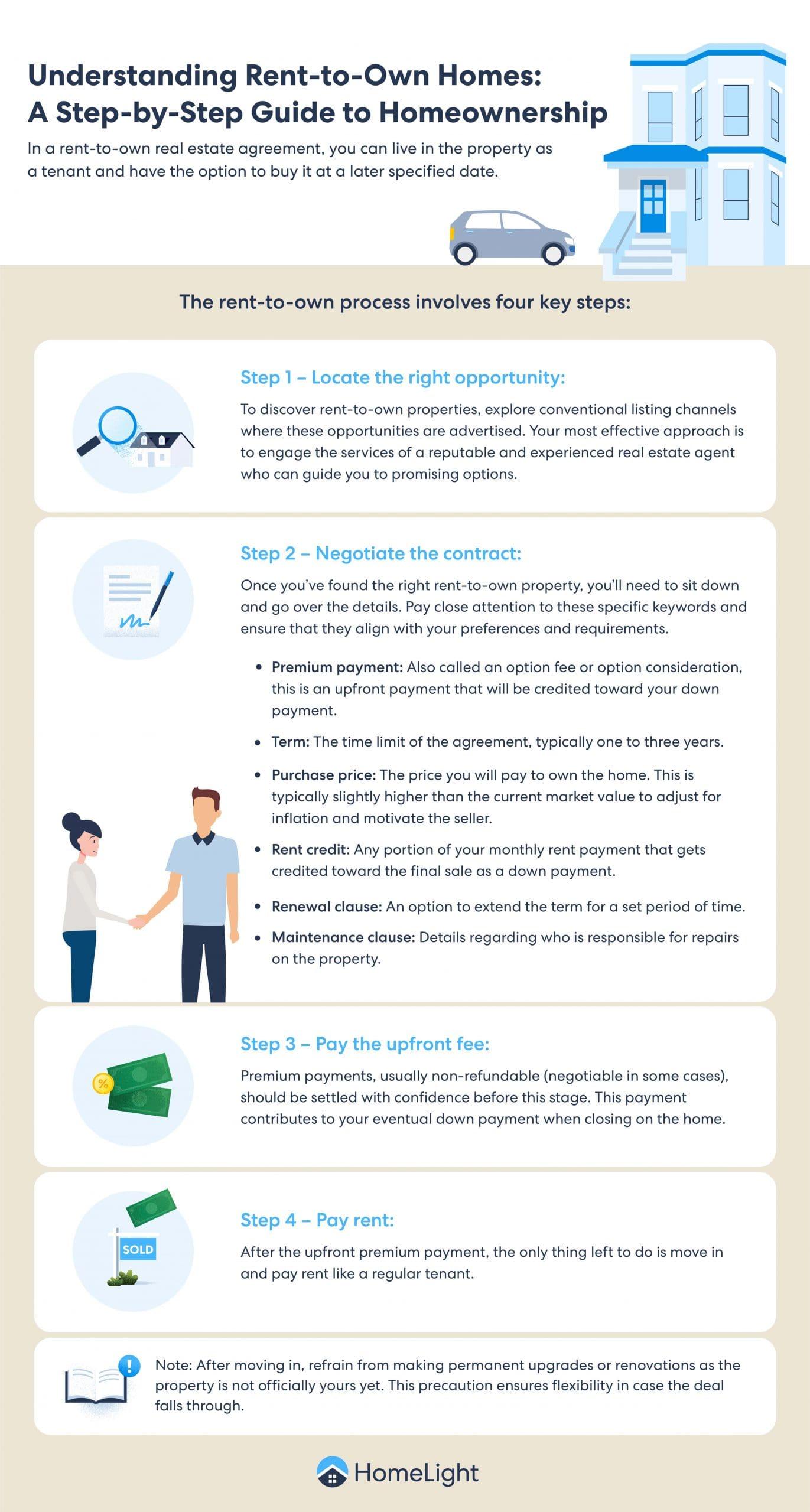
In the realm of rent-to-own agreements, clarity and precision are paramount. Crafting effective contracts ensures that both parties are well-informed of their rights and obligations. The key components to include in your agreements are:
- Purchase Price: Clearly outline the agreed-upon price for the property, including any appreciation clause.
- Rental Terms: Define the monthly rental amount, payment schedule, and the duration of the lease.
- Maintenance Responsibilities: Specify who is responsible for property upkeep during the rental period.
- Option Fee: Detail any upfront fee for the right to purchase, including how it applies to the purchase price.
- Default Terms: Establish consequences of default by either party to secure interests.
Additionally, it’s wise to include contingencies that protect both parties, especially regarding financing. Ensuring that your contracts comply with local laws is crucial, as regulations can vary significantly from one jurisdiction to another. Consider the inclusion of a disclosure statement that outlines essential information about the property, and provide the potential buyer insight into the financial implications of the agreement.
| Aspect | Importance |
|---|---|
| Flexibility | Allows buyers time to secure financing. |
| Security | Protects seller’s interests in case of tenant default. |
| Transparency | Builds trust between seller and buyer. |
Maximizing Your Investment: Financial Planning for Rent-to-Own Success
Effective financial planning is essential for successfully navigating the rent-to-own landscape. By establishing a clear budget and understanding your financial capabilities, you can set realistic goals that align with your aspirations of homeownership. Start by identifying your income sources and calculating your expenses to create a comprehensive financial overview. Consider these key strategies:
- Emergency Fund: Allocate funds for unexpected expenses to maintain financial stability.
- Credit Score Monitoring: Keep track of your credit score as it influences loan approvals and interest rates.
- Separate Savings Account: Open a dedicated account for your rent-to-own payments and future down payment.
Once you have a solid financial foundation, it’s crucial to understand the specifics of your rent-to-own agreement. Review the contract carefully and investigate factors such as the purchase price and the length of the rental period. Transparency is key, so while preparing to transition from renter to buyer, consider the following:
| Consideration | Importance |
|---|---|
| Potential Appreciation | Helps determine the future value of your investment. |
| Option Fee | Negotiates the upfront cost that applies towards the purchase. |
| Monthly Rent | Understand how much of it contributes to your future purchase. |
To Wrap It Up
mastering the rent-to-own strategy can be a transformative approach for both aspiring homeowners and savvy investors. By understanding the key components of this model, from lease agreements to financing options, you can make informed decisions that align with your financial goals. Whether you’re looking to secure a future home or leverage investments in the real estate market, the insights shared in this guide equip you with the knowledge necessary to navigate the complexities of rent-to-own arrangements.
As you embark on this journey, remember that due diligence and careful planning are essential. Real estate can be an intricate landscape, but with the right strategies in hand, you can turn challenges into opportunities. Stay proactive, consult with experienced professionals, and keep your long-term objectives at the forefront of your decisions.
We hope this guide has illuminated various aspects of rent-to-own strategies and provided the tools you need to succeed. For more tips and resources on real estate investments, stay tuned to our blog, and don’t hesitate to share your experiences or questions in the comments below. Here’s to your future in real estate—may it be prosperous and fulfilling!