

In the realm of real estate financing, the Loan-to-Value (LTV) ratio serves as a critical metric, influencing lending decisions for borrowers and lenders alike. This comprehensive guide aims to demystify the concept of LTV, exploring its definition, significance, and the various factors that contribute to its calculation. Understanding LTV is essential for real estate professionals, prospective homeowners, and investors, as it provides insight into the financial risk associated with mortgage lending. By delving into the nuances of LTV ratios, we aim to equip readers with the knowledge needed to navigate the complex landscape of property financing and make informed decisions in their financial endeavors.
Table of Contents
- Understanding the Concept of Loan-to-Value Ratios and Their Importance
- Factors Influencing Loan-to-Value Ratios in Real Estate Financing
- Calculating Your Loan-to-Value Ratio: Step-by-Step Guide
- Strategies for Improving Your Loan-to-Value Ratio for Better Financing Options
- Final Thoughts
Understanding the Concept of Loan-to-Value Ratios and Their Importance
Loan-to-Value (LTV) ratios are a crucial metric in the lending process that represents the relationship between the amount of a loan and the appraised value of the asset being purchased, typically real estate. A higher LTV ratio indicates that a smaller down payment is made, which can translate into greater risk for the lender. Conversely, a lower LTV ratio usually reflects a more responsible borrowing practice and may result in lower interest rates or better loan terms. Understanding LTV ratios helps both borrowers and lenders evaluate leverage appropriately and make informed decisions regarding financing options.
Here’s why LTV ratios hold significant importance in the lending landscape:
- Risk Assessment: LTV ratios help lenders determine the risk level associated with a particular loan. High LTV ratios may lead to potential default risks, prompting lenders to impose stricter requirements.
- Interest Rates: Borrowers with lower LTV ratios often qualify for more favorable interest rates due to perceived lower risk.
- Insurance Requirements: Many lenders require private mortgage insurance (PMI) on loans where LTV ratios exceed a certain threshold, adding another layer to cost considerations.
| LTV Ratio Range | Interest Rate Impact | Potential Requirements |
|---|---|---|
| Below 80% | Lower interest rates | No PMI needed |
| 80% – 90% | Moderate interest rates | Possible PMI requirement |
| Above 90% | Higher interest rates | PMI required, stricter qualifications |
Factors Influencing Loan-to-Value Ratios in Real Estate Financing
Several key factors play a crucial role in determining Loan-to-Value (LTV) ratios when it comes to real estate financing. LTV is significantly influenced by the property type being financed, as different properties come with varying risks attached. For example, residential properties generally have lower LTV ratios compared to commercial properties due to their perceived stability. Additionally, market conditions can impact LTV, including housing demand, interest rates, and overall economic climate. In falling markets, lenders may decrease allowable LTV ratios to mitigate risk, leading to more stringent borrowing conditions.
Another important aspect to consider is the borrower’s creditworthiness. Lenders assess the borrower’s credit score and financial history to determine the risk associated with lending. A strong credit score typically enables borrowers to secure a higher LTV ratio. Furthermore, down payment size is also instrumental in shaping LTV ratios; larger down payments directly result in lower LTVs. In some cases, loan programs may offer flexible options for first-time buyers, allowing for higher LTV ratios under specific conditions. Below is a simple table summarizing these influential factors:
| Factor | Description |
|---|---|
| Property Type | Risk levels differ; residential vs. commercial. |
| Market Conditions | Economic climate impacts lender policies. |
| Borrower’s Creditworthiness | Affects risk assessment; higher scores yield better ratios. |
| Down Payment Size | Larger down payments lead to lower LTV. |
| Loan Programs | Some programs provide flexibility for first-time buyers. |
Calculating Your Loan-to-Value Ratio: Step-by-Step Guide
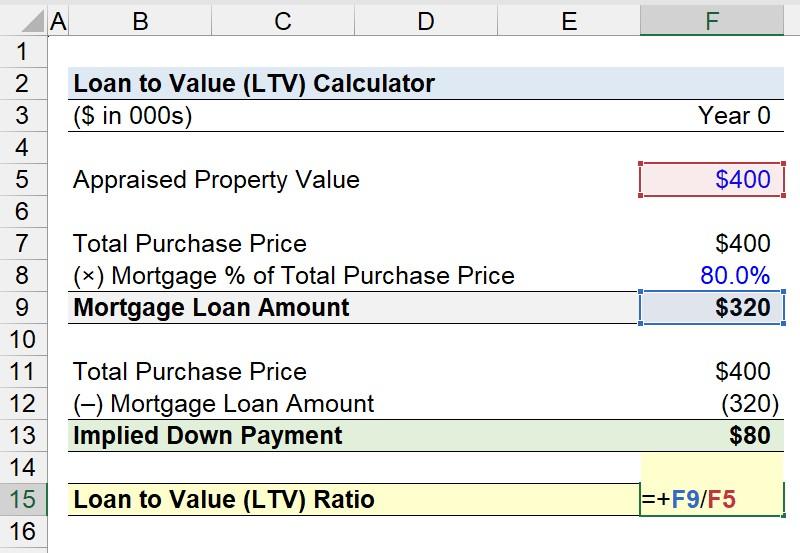
Calculating your loan-to-value (LTV) ratio is a crucial step in the lending process. To begin, you need to determine two key figures: the amount of your loan and the appraised value of the property you intend to purchase. The formula is straightforward:
- Loan Amount: The total amount you will borrow.
- Appraised Value: The market value of the property, as determined by a professional appraiser.
Once you have these figures, you can calculate the LTV by dividing the loan amount by the appraised value, then multiplying the result by 100. For instance:
| Loan Amount | Appraised Value | Loan-to-Value Ratio |
|---|---|---|
| $150,000 | $200,000 | 75% |
| $80,000 | $100,000 | 80% |
| $250,000 | $300,000 | 83.33% |
This calculation gives you a percentage that reflects the portion of the property that is financed versus the portion you own outright. A lower LTV ratio often indicates less risk for lenders, which may translate into more favorable loan terms for you, such as lower interest rates and reduced fees. Understanding and managing your LTV ratio is essential for making informed financial decisions in your real estate investments.
Strategies for Improving Your Loan-to-Value Ratio for Better Financing Options
Improving your loan-to-value (LTV) ratio can significantly enhance your financing options, making you a more appealing candidate to lenders. Here are several effective strategies to consider:
- Increase Your Down Payment: The most straightforward way to lower your LTV ratio is to put down a larger down payment. This not only reduces the loan amount but also demonstrates to lenders that you are financially responsible.
- Boost Your Property’s Appraised Value: Making strategic improvements to your property can increase its market value. This could include renovations, landscaping, or energy-efficient upgrades that attract higher appraisals.
- Pay Down Existing Debt: Reducing existing debts can improve your credit score, which may help in getting better financing terms and can improve your affordability for larger down payments.
- Consider a More Affordable Property: If feasible, opting for a home that costs less will inherently give you a better LTV ratio, thus improving your financing options.
- Research Assistance Programs: Explore local and state assistance programs that may help you increase your down payment and improve your overall financial situation.
Another approach involves timing and market awareness. For instance, consider the following factors when planning your purchase or refinancing:
| Market Conditions | Effect on LTV |
|---|---|
| Low Interest Rates | Encourages home purchases and can increase property values. |
| Property Market Trends | Identifying neighborhoods with rising values can improve your LTV over time. |
| Seasonal Buying Trends | Engaging in the off-season may offer better prices and thus lower LTV ratios. |
By carefully managing these components of the loan process and making informed decisions, you can effectively enhance your LTV ratio and position yourself favorably for future financing opportunities.
Final Thoughts
understanding Loan-to-Value (LTV) ratios is a crucial aspect of informed financial decision-making, whether you are a borrower, lender, or investor. As outlined in this guide, LTV ratios provide valuable insights into the risk associated with lending, the potential for investment returns, and the overall health of the real estate market. By recognizing how LTV is calculated and its implications on loan terms, interest rates, and borrowing power, individuals can navigate financing options more effectively. As market conditions evolve and personal financial landscapes change, having a solid grasp of LTV ratios will continue to be an essential tool in the management of real estate investments and debt obligations. Equip yourself with this knowledge to make prudent choices that align with your financial goals.