

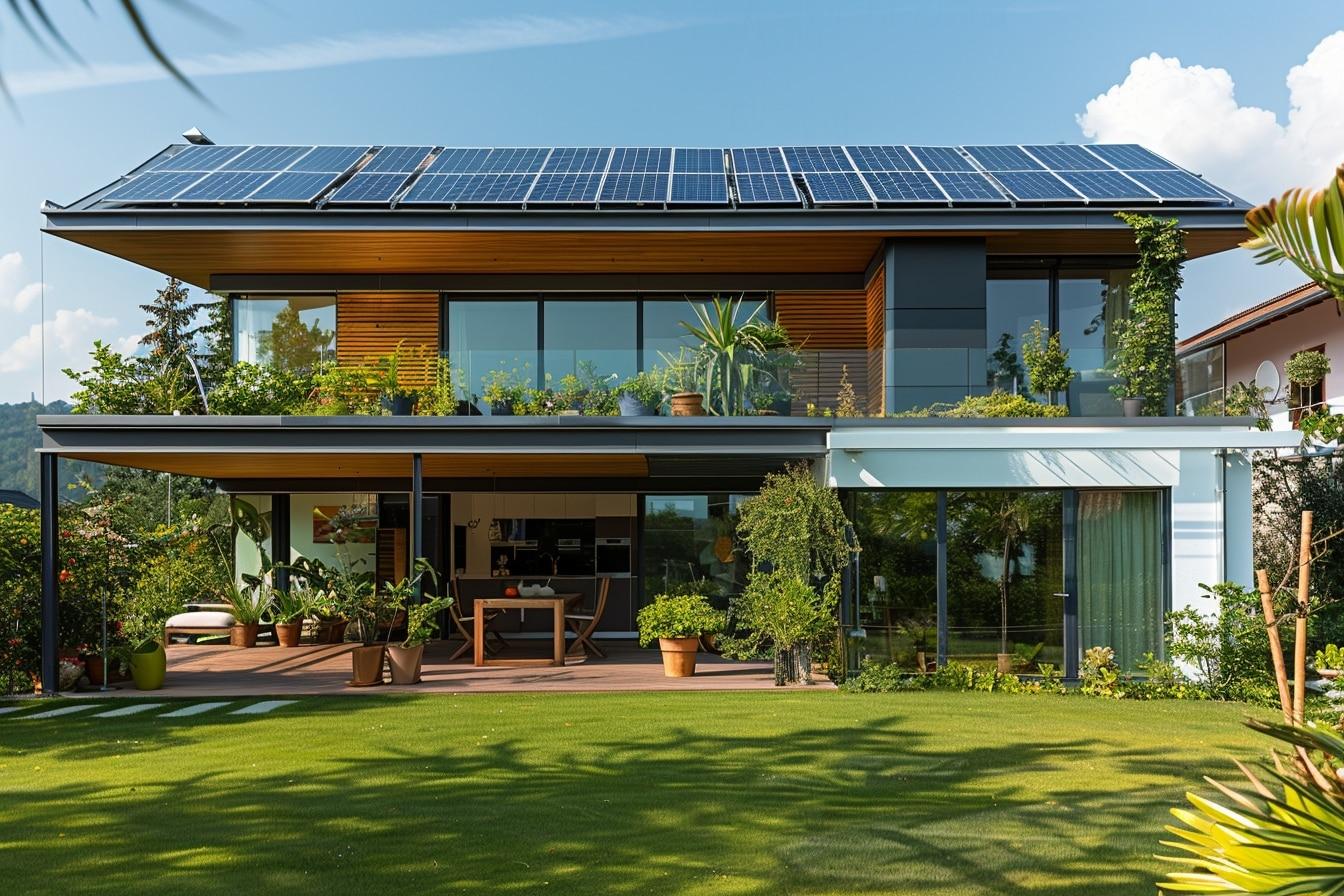
As the world grapples with the pressing challenges of climate change and environmental degradation, the concept of sustainability has moved to the forefront of several industry sectors.One area experiencing a notable conversion is real estate, where developers, investors, and homeowners alike are increasingly prioritizing eco-friendly practices and sustainable living. The rise of green real estate is more than just a trend; it represents a fundamental shift in how we think about property development and ownership in relation to the habitat. In this article, we will explore the motivations driving this movement, the benefits of investing in green properties, and how embracing sustainability not only contributes to a healthier planet but also enhances economic value for stakeholders. Join us as we delve into the innovative practices and emerging technologies that are redefining the real estate landscape with a commitment to sustainability at its core.
table of contents
- Understanding the Green Real Estate Trend: Market Demand and Consumer Awareness
- Innovative Building Practices: Design strategies for Sustainable Construction
- Financing Green Properties: Navigating Incentives and Investment Opportunities
- Best Practices for Property Management: Enhancing Sustainability in Operations
- Wrapping Up
Understanding the Green Real Estate Trend: Market Demand and Consumer Awareness
the surge in demand for green real estate is driven by a combination of market forces and a growing consciousness among consumers about sustainability.As awareness of climate change and environmental issues escalates, homebuyers and investors are increasingly seeking properties that align with eco-friendly principles. This shift in preference is evident in a variety of ways:
- Energy Efficiency: Properties featuring energy-efficient appliances and systems, such as solar panels and high thermal insulation, are becoming highly sought after.
- Healthier Living Spaces: Many buyers recognize that sustainable homes often offer better indoor air quality and reduced exposure to harmful materials.
- Resale Value: Homes with green certifications or eco-friendly upgrades generally retain or appreciate in value more effectively than traditional homes.
In today’s competitive real estate market, knowledge of sustainable practices is not just beneficial; it’s essential. Social media and digital platforms have transformed how consumers engage with real estate, allowing them to research and connect with developers focused on sustainability. A recent survey highlighted key factors influencing consumer behavior:
| Factor | Importance Level |
|---|---|
| Environmental impact | High |
| Energy savings | Medium |
| Community initiatives | Medium |
| Innovative design | High |
This increased level of consumer awareness not only enhances the appeal of green properties but also incentivizes builders and developers to invest more in sustainable technologies and practices, creating a symbiotic relationship between market demand and environmental stewardship.
Innovative Building Practices: Design Strategies for Sustainable Construction
innovative building practices play a crucial role in the transition towards sustainability in the construction sector. by integrating cutting-edge design strategies, architects and builders can minimize environmental impact while enhancing the functionality and aesthetics of structures. Key elements of these practices include:
- Passive Design: Utilizing natural light and ventilation to reduce reliance on artificial heating and cooling.
- Material Selection: Prioritizing renewable, recycled, and low-impact materials that lower carbon footprints.
- Smart Technology Integration: Implementing energy-efficient systems, such as smart thermostats and lighting, to optimize resource usage.
Moreover, sustainable construction often involves adopting modular design techniques and construction methods that minimize waste. This approach not only streamlines the building process but also allows for greater flexibility and resilience in design. A comparison of traditional versus sustainable practices highlights these advancements:
| Aspect | Traditional Practices | Sustainable Practices |
|---|---|---|
| Resource Use | higher consumption | minimized through efficiency |
| Waste Generation | Critically important waste | Recyclable and reduced waste |
| Energy Consumption | High | Optimized for efficiency |
Financing Green Properties: Navigating Incentives and Investment Opportunities
as the demand for eco-friendly living spaces grows, financing options for green properties have become more accessible. Investors and homebuyers can take advantage of various incentives aimed at promoting sustainable practices. Key financial incentives include government grants, tax credits, and low-interest loans specifically tailored for energy-efficient renovations and green building projects. As a notable example, the Federal Housing Administration (FHA) offers programs that can definitely help homeowners finance energy-efficient upgrades in their homes through the 203(k) Rehabilitation Mortgage Insurance Program. By leveraging these financial tools, buyers can reduce upfront costs while investing in properties that promise long-term savings and environmental benefits.
In addition to government incentives, the private sector is also stepping up to support green real estate initiatives.Numerous financial institutions are now offering green mortgages with favorable terms for eco-friendly properties. These mortgages typically feature lower interest rates and better loan-to-value ratios for homes with certified green certifications, such as LEED or Energy Star. Furthermore, many investors are increasingly recognizing the financial viability of sustainable investments, as they can led to higher resale values and reduced operational costs. The table below highlights some popular financing options and their benefits:
| Financing Option | Benefits |
|---|---|
| Government Grants | Non-repayable funds to support sustainable projects |
| Tax Credits | Reduce overall tax liability when investing in green upgrades |
| Green Mortgages | Lower interest rates for energy-efficient properties |
| Energy Efficiency Loans | Low-interest loans for energy-saving renovations |
Best Practices for Property Management: Enhancing Sustainability in Operations
Incorporating eco-friendly practices within property management not only benefits the environment, but also enhances the value and appeal of your real estate investments. To optimize sustainability, property managers can implement the following strategies:
- Energy Efficiency Audits: Regularly assess energy consumption to identify areas for improvement.
- Water Conservation Measures: Install low-flow fixtures and drought-resistant landscaping.
- Recycling Programs: Establish comprehensive recycling systems for tenants.
- Green Certifications: Aim for certifications like LEED to attract environmentally-conscious renters.
Empowering tenants with facts and tools supports these initiatives and fosters a culture of sustainability.
Along with operational improvements, leveraging technology can considerably enhance sustainability efforts.Consider integrating smart building technologies that provide real-time data on resource consumption and enable proactive management of utilities.Highlighted below are key technologies:
| Technology | Benefits |
|---|---|
| Smart Thermostats | Reduce energy costs by optimizing heating and cooling schedules. |
| LED Lighting | Lower energy usage and maintenance costs with longer-lasting bulbs. |
| Water Sensors | Detect leaks early to prevent water waste and damage. |
By adopting these technologies, property managers can ensure their operations are efficient, eco-friendly, and aligned with tenant sustainability goals.
Wrapping Up
As we stand on the cusp of a new era in real estate, the shift towards sustainability is not just a trend; it’s a fundamental transformation that is redefining how we view properties and their impact on the environment. Embracing green real estate offers numerous benefits, from enhanced energy efficiency to the creation of healthier living spaces, ultimately leading to a more sustainable future for all.
Investors, developers, and homeowners alike have a pivotal role in this evolution, acting as stewards of the planet while also reaping the economic advantages that come with eco-friendly practices.By prioritizing sustainable building materials, renewable energy sources, and green certifications, we can create spaces that not only meet the needs of today but also preserve the resources for generations to come.
As we move forward, the nexus of sustainability and real estate will continue to expand, fueled by innovation and a collective commitment to combating climate change. Let us embrace this journey, championing green initiatives and fostering a real estate landscape that reflects our shared duty for the Earth. Together, we can build a future where sustainability is at the forefront, cultivating communities that thrive in harmony with nature. thank you for joining us on this exploration of green real estate—let’s work together to make sustainable living a reality!