

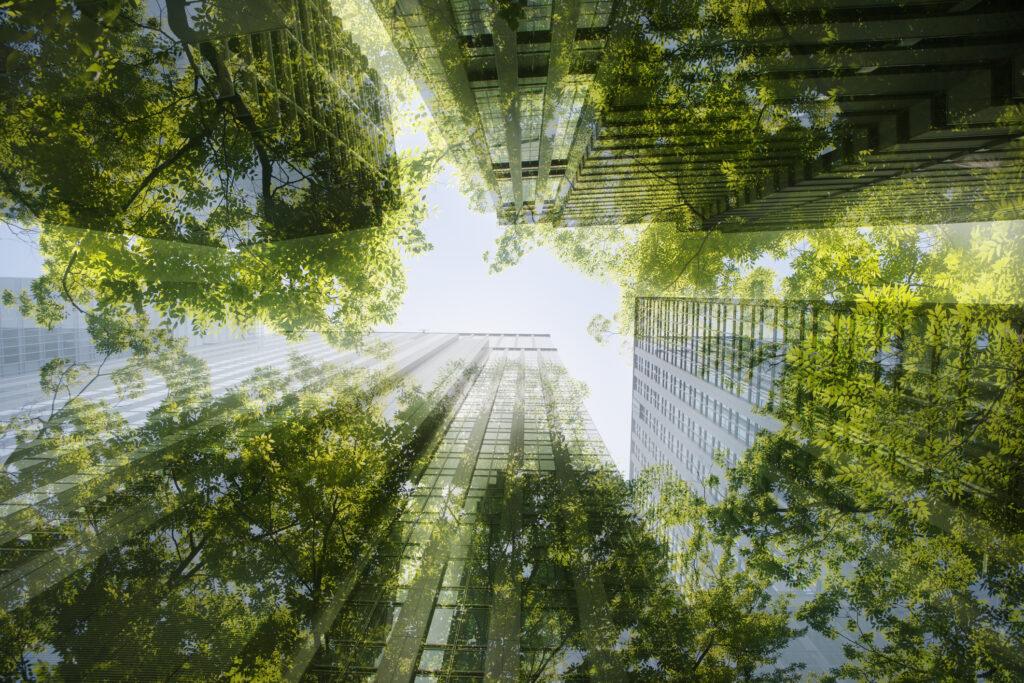
In an era marked by escalating environmental challenges and a growing awareness of social responsibility, the real estate sector stands at a pivotal crossroads. Lasting real estate development is no longer just a trend; it has become a crucial strategy for forward-thinking developers and investors seeking to unlock value in their projects. By prioritizing ecological integrity, economic viability, and social equity, sustainable developments not only meet the demands of today’s environmentally conscious consumers but also enhance long-term profitability and resilience.
This article delves into the myriad benefits of sustainable real estate development, highlighting how it can drive innovation, reduce operational costs, and elevate property value while contributing to a healthier planet and vibrant communities. We will explore the principles of sustainable design,the financial incentives of green building practices,and real-world examples of success stories that illustrate the profound impact of sustainability on the real estate landscape. Join us as we unpack how embracing sustainability can transform challenges into opportunities, paving the way for a more responsible and prosperous future in real estate.
Table of Contents
- Understanding the Economic Advantages of Sustainable Real Estate Development
- Integrating green Building Practices for Long-Term Cost Savings
- Enhancing Community value through Sustainable Urban Planning
- Navigating Incentives and Policies for Sustainable Real Estate Initiatives
- Final Thoughts
Understanding the Economic Advantages of Sustainable Real Estate Development
Investing in sustainable real estate development makes economic sense on multiple levels, offering significant returns while also fostering a healthier environment. One of the primary advantages lies in reduced operational costs. Properties designed with sustainability in mind typically feature energy-efficient systems, renewable energy sources, and water-saving technologies, leading to lower utility bills. In addition, these developments frequently enough attract a premium in rental and sale prices, appealing to environmentally conscious buyers and tenants who prioritize sustainability in their lifestyle choices.
Moreover, sustainable real estate development can enhance market resilience and longevity. Properties that incorporate green building standards tend to experience higher occupancy rates and lower vacancy times. This is supported by the following benefits:
- Tax Incentives: Governments often provide financial incentives for sustainable construction practices.
- Increased Asset Value: Energy-efficient buildings tend to retain their value better than conventional buildings.
- Access to Financing: Green certifications can facilitate access to favorable financing terms.
| Benefit | Description |
|---|---|
| Lower Operating Costs | Efficient systems reduce long-term expenses. |
| Higher Demand | Attracts tenants and buyers willing to pay a premium. |
| Financial Incentives | Tax breaks and grants available for green projects. |
Integrating Green Building Practices for Long-Term Cost Savings
Integrating environmentally friendly construction techniques can significantly decrease operational costs over time. By adopting energy-efficient systems, eco-friendly materials, and water-saving fixtures, property developers not only contribute to sustainability but also realize substantial financial benefits. As a notable example, leveraging solar panels and high-efficiency HVAC systems can lead to reduced energy bills, while incorporating rainwater harvesting can minimize water costs. The initial investment may seem daunting, yet the long-term payback through reduced utility expenses often justifies this commitment.
Moreover, green building practices can increase property value and attract tenants who prioritize sustainability. The modern consumer is becoming increasingly aware of their environmental footprint,and properties that showcase sustainable features tend to command higher rental rates and occupancy levels. Key advantages include:
- Enhanced brand reputation – companies recognized for their commitment to sustainability can boost their market presence.
- Incentives and rebates – various local governments offer financial incentives for sustainable building practices.
- Lower insurance premiums – many insurers now offer discounts for buildings that meet green certification standards.
| Green Practice | Initial Cost | Long-term Savings |
|---|---|---|
| Solar Panel Installation | High | Significant reduction in energy bills |
| Rainwater Harvesting System | moderate | lower water bills |
| Green Roofs | High | Enhanced insulation and reduced cooling costs |
Enhancing Community Value through Sustainable Urban Planning
In cities around the globe, the push for integrity in urban development is reshaping our communities. A commitment to sustainable urban planning not only conserves precious resources but also fosters a sense of belonging among residents.by integrating green spaces,mixed-use developments,and public transportation,urban planners are creating environments where both people and nature can thrive. This holistic approach encourages local businesses to flourish and promotes a collaborative lifestyle that enhances social ties within neighborhoods.
Moreover, sustainable urban planning can lead to substantial economic benefits. When communities invest in environmentally friendly infrastructure, they often witness the following advantages:
- Increased Property Values: Eco-friendly buildings tend to appreciate faster, benefiting homeowners and investors alike.
- Job Creation: Green developments generate new employment opportunities in construction, maintenance, and administration.
- Health Improvements: Urban designs that prioritize walkability and green areas contribute to the physical and mental well-being of residents.
By aligning urban development with sustainability principles, municipalities position themselves not only as stewards of the environment but also as champions of long-term community prosperity. This multifaceted approach ensures that cities remain livable, vibrant, and economically viable for future generations.
Navigating Incentives and Policies for Sustainable Real Estate Initiatives
In the realm of sustainable real estate development, understanding the landscape of incentives and policies is crucial for success. Various governmental bodies and organizations are increasingly promoting green building practices through a range of financial advantages and regulatory benefits. These can include:
- Tax Credits: Incentives that reduce the financial burden on developers who invest in energy-efficient and environmentally friendly technologies.
- grants and Subsidies: Direct financial support aimed at offsetting costs for sustainable design and construction practices.
- Expedited Permitting: Streamlined processes that allow developers to expedite project approvals for sustainable initiatives.
- Energy Efficiency Standards: Compliance exemptions for projects that exceed established green benchmarks.
Leveraging these incentives not only enhances the economic viability of sustainable projects but also fosters an environment of collaboration among stakeholders. By incorporating eco-friendly designs and technologies, developers can position themselves favorably within the market.Data-driven policies and supportive frameworks are vital as they ensure that the development community aligns with broader environmental goals. Below is a simplified overview of potential benefits associated with implementing sustainable practices in real estate:
| Benefit | Description |
|---|---|
| Lower Operating Costs | Reduced energy and water consumption through efficient designs. |
| Increased Asset Value | Market demand for sustainable properties frequently enough leads to higher valuations. |
| Improved Occupancy Rates | Attract environmentally conscious tenants and buyers. |
| Enhanced Community Image | Commitment to sustainability boosts the reputation among stakeholders. |
Final Thoughts
sustainable real estate development is not just a trend—it’s an essential strategy that unlocks substantial value for investors, communities, and the environment alike. By prioritizing eco-friendly practices and innovative design, developers can enhance the marketability of their projects while contributing to a healthier planet and a more resilient economy. As we move towards a more conscious and responsible approach to development,embracing sustainability will be key in attracting savvy investors and socially aware consumers.
The benefits are clear: reduced operational costs, increased property value, and a positive impact on community well-being. As stakeholders across the real estate spectrum recognize the importance of sustainability, the industry’s landscape will undoubtedly evolve. By investing in sustainable solutions today, we can shape a more prosperous and sustainable tomorrow for everyone.Thank you for joining us on this journey through the nuances of sustainable real estate development. We invite you to reflect on how you can contribute to this vital movement, whether you’re a developer, an investor, or simply a conscious consumer.Together, we can unlock the full potential of real estate while safeguarding the future of our planet. Stay tuned for more insights and developments in sustainable practices that pave the way for a thriving real estate market.