

Introduction:
In the dynamic landscape of real estate, navigating the complexities of business expenses is essential for sustainable growth and profitability. As industry professionals strive to maximize their returns on investment,a complete understanding of the various costs associated with property management,growth,and sales becomes paramount. This strategic guide aims to equip real estate practitioners—whether seasoned veterans or emerging entrepreneurs—with the tools and insights necesary to effectively master their business expenses. By highlighting best practices in budgeting, financial analysis, and cost management, this article will illuminate how harnessing expense-related strategies can lead to enhanced decision-making, improved operational efficiency, and ultimately, greater financial success in the competitive real estate market.
Table of Contents
- Understanding Common Real Estate Business Expenses and Their Implications
- Developing a Comprehensive Budget for Real Estate Operations
- Leveraging Technology to Streamline Expense Management
- Implementing Strategic Cost-Saving Measures for Enhanced Profitability
- To Wrap It up
Understanding common Real Estate Business Expenses and Their Implications
Managing a prosperous real estate business requires a clear understanding of various expenses that can substantially impact profitability. Common expenses include operational costs, such as salaries and commissions, which consistently affect cash flow. Additionally, there are marketing expenses, crucial for attracting clients, including digital advertising, social media promotions, and traditional marketing methods. Other important costs involve property management fees, insurance premiums, and maintenance expenses, all of which contribute to maintaining a professional image and serving clients effectively.
It’s essential to categorize these expenses and assess their implications on your overall budget. Consider creating an internal structure to differentiate between fixed and variable costs, helping you make informed financial decisions. For example,you might track costs associated with:
| expense Type | Example Expenses |
|---|---|
| Operational | salaries,commissions |
| Marketing | Advertising,website maintenance |
| Maintenance | Property upkeep,repairs |
| Insurance | Liability,property insurance |
By gaining insights into these aspects,real estate professionals can develop strategic plans to optimize spending,ensuring better resource allocation and ultimately enhancing the bottom line. This approach not only fosters financial awareness but also aligns the operational framework with long-term business goals.
Developing a Comprehensive Budget for Real Estate Operations
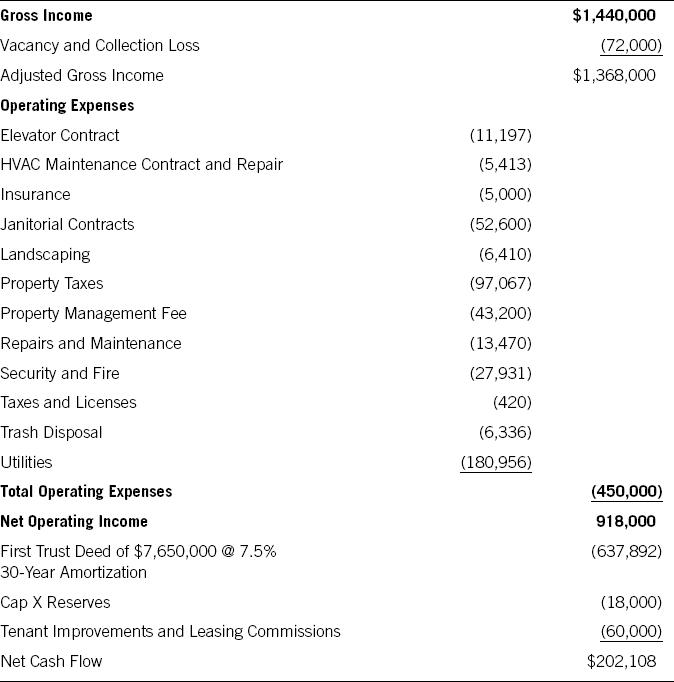
Creating a budget for real estate operations is a multifaceted process that demands careful consideration of various categories of expenses.Start by identifying core operational costs, which may include property management fees, maintenance expenses, utilities, and property taxes. Each of these factors plays a significant role in determining the overall financial health of your real estate investments. Additionally, don’t overlook the importance of initial acquisition costs such as closing fees and inspection charges, which can significantly impact your cash flow and return on investment.
To ensure a comprehensive understanding of financial allocations,it is crucial to incorporate fixed and variable costs into your budget. Fixed costs, such as mortgage payments and insurance, typically remain constant over time, whereas variable costs, including repairs, vacancy losses, and unexpected expenses, can fluctuate. Here’s a simple illustrative table for categorizing these costs:
| Cost Type | examples | budgeting Approach |
|---|---|---|
| Fixed Costs | Mortgage, Insurance | Consistent Monthly Allocation |
| Variable Costs | Repairs, Vacancy Losses | Percentage of Gross Income |
By strategically tracking both fixed and variable expenses, you can create more accurate forecasts and better prepare for the ebbs and flows in the real estate market. Ultimately, the key lies in thorough tracking, diligent analysis, and regular adjustments to the budget to reflect changing circumstances and opportunities.
Leveraging Technology to Streamline Expense Management
In today’s fast-paced real estate market, harnessing the right technology can significantly enhance the efficiency of expense management processes. Tools like cloud-based accounting software allow for real-time tracking and categorization of expenses, ensuring all team members have access to up-to-date financial data. By automating routine tasks such as invoice processing and expense approvals, businesses can reduce manual errors and free up valuable time for strategic decision-making. The ability to create customizable dashboards also enables visualization of spending patterns, helping to identify areas where costs can be minimized.
moreover,integrating solutions such as mobile expense reporting applications offers an added layer of convenience,empowering employees to capture expenses on-the-go. Features like automated receipt scanning and expense categorization not only streamline the approval process but also enhance accountability. Investing in technology that facilitates direct interaction with your financial institutions can provide real-time updates on cash flow and budgeting, helping teams to make informed decisions promptly. Below is a simple comparison of various tools that can assist in this transition:
| Tool | Key Features | Benefits |
|---|---|---|
| Cloud Accounting Software | Real-time tracking, customizable reports | Improved accuracy, time-saving |
| Expense Management Apps | receipt scanning, mobile access | Convenience, instant approvals |
| Budgeting Tools | Cash flow monitoring, forecasting | Informed decision-making, strategic planning |
Implementing Strategic Cost-Saving Measures for Enhanced Profitability
To enhance profitability, it’s essential to identify and implement strategic cost-saving measures that minimize unnecessary expenditures while maximizing operational efficiency. Conducting a thorough analysis of current spending patterns can reveal areas where cuts can be made without compromising quality or service. Key areas to focus on include:
- Operational Overhead: Evaluate utilities, maintenance contracts, and other recurring expenses.
- Supplier Negotiations: Leverage competitive bids to negotiate better rates on supplies and services.
- Technology Adoption: Invest in property management software can streamline operations and reduce labor costs.
- Staff Efficiency: Train employees for multi-tasking to optimize workforce resources.
Additionally, measuring the impact of these measures through key performance indicators (KPIs) can guide future strategies. Implementing periodic reviews ensures that your initiatives align with market conditions and company goals. A simple overview can include:
| Cost-Saving Measure | Estimated Savings (%) | Implementation Timeframe |
|---|---|---|
| Utility Optimization | 10-15% | 3-6 months |
| Supplier Rebates | 5-10% | 1-2 months |
| Technology Integration | 15-20% | 6-12 months |
| Staff Training | 5-7% | 2-4 months |
To Wrap It Up
effectively managing your real estate business expenses is not just a matter of good practice; it is indeed a strategic imperative that can significantly enhance your bottom line. By adopting the principles outlined in this guide, you can gain a clearer understanding of your financial landscape, identify cost-saving opportunities, and implement more refined budgeting techniques.
As the real estate market continues to evolve, maintaining a keen awareness of your expenses will empower you to make informed decisions that drive profitability and sustainability.Remember, successful real estate professionals do not merely react to expenses; they anticipate them and leverage their insights to foster growth.
as you move forward, consider these strategies not as one-time tasks, but as ongoing practices that will support the long-term success of your business. by mastering your expenses, you position yourself to seize opportunities, mitigate risks, and ultimately thrive in a competitive market.Stay vigilant, stay informed, and watch your real estate portfolio flourish.