

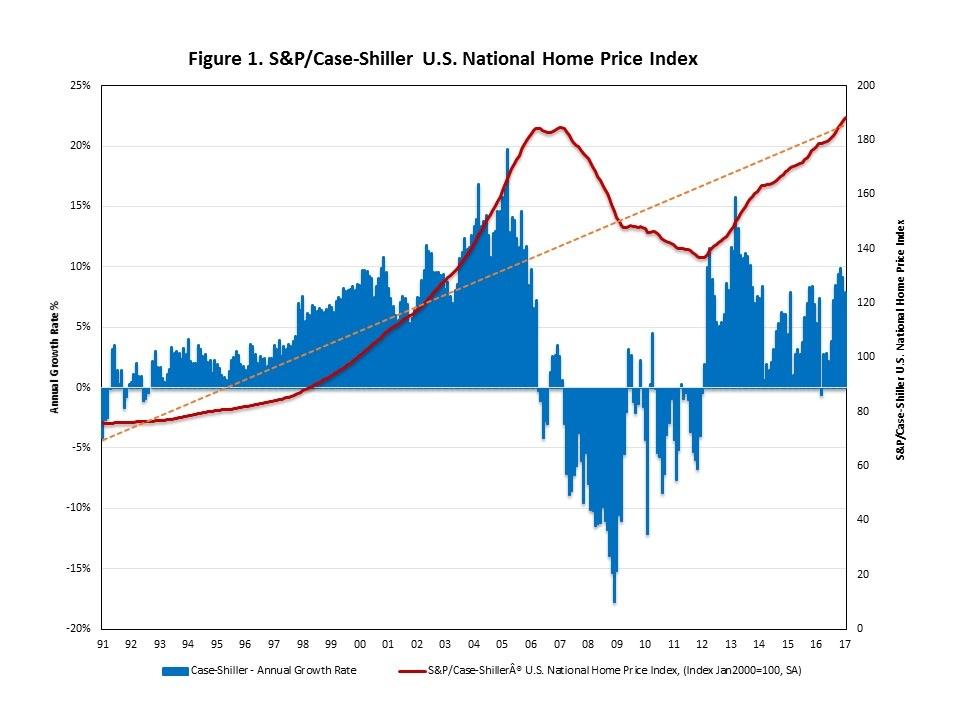
In recent years, the landscape of real estate in major U.S. cities has undergone meaningful transformations, influenced by a myriad of factors ranging from economic shifts to changing demographic preferences. As urban centers continue to evolve, understanding these trends has become crucial for investors, homeowners, and policymakers alike. This article delves into the current state of the real estate markets across key metropolitan areas, examining fluctuations in housing prices, rental demand, and the impact of remote work on urban living. By analyzing these dynamics, we aim to provide insights into the future of real estate in America’s bustling cities and what it means for stakeholders at every level. Weather you are an investor seeking opportunities or a resident contemplating a move, our exploration of emerging patterns offers a comprehensive view of the real estate market’s trajectory in the nation’s urban hubs.
Table of Contents
- Emerging Trends in urban Real Estate: A Closer Look at Major U.S.Cities
- Market Dynamics and Price Fluctuations: Understanding Local Influences
- investment Opportunities and Risks: strategic Insights for Buyers and Sellers
- Future Forecast: Predictions for the Evolving U.S. real Estate Landscape
- In Retrospect
Emerging Trends in Urban Real Estate: A Closer Look at Major U.S. cities
As urban environments evolve, several notable trends are reshaping the real estate landscape across major U.S.cities. remote work has solidified its presence, prompting a shift in demand towards suburban and rural areas, where spacious homes and lower costs are increasingly appealing. In cities like san Francisco and New York, businesses are reconsidering their physical footprints, leading to redeveloped office spaces that cater to hybrid work models by incorporating mixed-use functionalities. This trend is influencing property values, with tenants looking for flexibility and a balance between work and leisure.
Additionally, there is a growing emphasis on lasting living as urban dwellers become more environmentally conscious. Cities such as Denver and austin are seeing a surge in developments that incorporate eco-amiable materials and energy-efficient designs. The push for green spaces and walkable neighborhoods reflects changing preferences in urban planning. Key features attracting buyers and renters include:
- Proximity to public transport
- Access to parks and recreation
- Smart home technologies
These factors combined with ongoing affordability challenges and demographic shifts, signal a transformative period for urban real estate. Below is a snapshot of anticipated trends in various cities:
| City | Emerging Trend | Key Focus |
|---|---|---|
| Los Angeles | Urban Mobility | Transit-oriented developments |
| Miami | Resilience Planning | Hurricane preparedness |
| Seattle | Tech Integration | Smart city initiatives |
Market Dynamics and Price Fluctuations: Understanding Local Influences
The real estate landscape across major U.S. cities is heavily influenced by a variety of local factors that can cause significant price fluctuations. supply and demand dynamics play a critical role; when demand exceeds available housing supply, prices tend to surge. Conversely, an oversupply in the market can lead to price reductions. Other local influences include zoning regulations, wich can restrict new construction, and economic indicators such as employment rates that directly affect individuals’ purchasing power. Additionally,seasonal trends frequently enough inject variability into the market,with peak buying seasons generally leading to higher prices,while the colder months might see a lull in activity.
Moreover, unique characteristics of each city can create distinct market behaviors. As an example, investor activity may drive prices up in urban centers that are seen as promising, while areas with high crime rates or declining job markets may struggle with stagnant or declining prices. below is a summary of how various local influences can impact real estate pricing:
| Influence | Impact on Prices |
|---|---|
| Economic Growth | Increases demand, pushing up prices |
| Interest Rates | Higher rates typically decrease affordability, lowering demand |
| Local Policies | Can limit supply, driving prices higher |
| Demographic Shifts | Aging population may increase demand for downsizing options |
Investment Opportunities and Risks: Strategic Insights for Buyers and Sellers
The current landscape of U.S. real estate markets shows both promising opportunities and inherent risks for buyers and sellers alike. Major cities such as New York,Los Angeles,and Chicago continue to attract attention due to their dynamic economies and population growth. Buyers are increasingly drawn to urban areas that offer a mix of affordability and accessibility, leading to potential hotspots for investment. However, with these opportunities come certain risks, including fluctuating interest rates, economic uncertainties, and localized market saturation. Investors must conduct thorough due diligence to assess property values and market trends tailored to specific neighborhoods.
Furthermore, geopolitical factors and regulatory changes can considerably influence real estate dynamics in major cities. Buyers and sellers should be aware of key indicators that signify shifts in the market, including:
- Job Growth: An expanding job market often correlates with increased housing demand.
- Rental Rates: Rising rents can indicate a competitive market and future growth potential.
- Housing Supply: A limited inventory of homes can drive prices up and impact investment decisions.
Investors are encouraged to create data-driven strategies that address both current market conditions and foreseeable trends. to illustrate the performance trends, consider the following table that outlines the average home prices and rental yields in selected major cities:
| City | Average Home Price ($) | Average Rental Yield (%) |
|---|---|---|
| New York | 1,020,000 | 3.5 |
| Los Angeles | 900,000 | 4.2 |
| Chicago | 400,000 | 5.0 |
Future forecast: Predictions for the Evolving U.S. Real Estate Landscape
The U.S. real estate landscape is expected to undergo significant transformations in the coming years,shaped by various economic,social,and technological factors. Urbanization continues to drive demand,particularly in major metropolitan areas,leading to increased competition for limited housing stock. As remote work solidifies its foothold, secondary and suburban markets are gaining traction, prompting developers to rethink residential and commercial projects to cater to a hybrid lifestyle. Key trends to watch include:
- Smart Homes and Sustainability: The integration of technology in homes for energy efficiency and automation will become a staple.
- Affordable Housing Initiatives: As prices rise, more cities will focus on policies that create accessible housing options.
- Rise of Mixed-Use Developments: The demand for live-work-play environments is prompting cities to rethink zoning regulations.
Moreover, demographic shifts are poised to reshape investment opportunities throughout the country. The increasing population of millennials and Gen Z in urban areas is fueling demand for rental properties that offer affordability and amenities. Additionally, scarcity of land combined with the demand for green spaces will compel developers to innovate in building design and location strategy. A preliminary overview of the expected market behaviors includes:
| Market Dynamics | Expected Changes |
|---|---|
| Rental Market Growth | Increased rental prices fueled by demand |
| Commercial Sector Reimagining | Shift towards flexible office spaces |
| Investment Trends | Heightened interest in suburban properties |
In Retrospect
the landscape of U.S. real estate continues to evolve amid shifting economic indicators, demographic trends, and consumer preferences.Major cities are witnessing varied trends that reflect their unique local conditions, with some markets experiencing meteoric rises in prices while others grapple with stability or declines.As investors, homeowners, and policymakers navigate this complex habitat, understanding these trends will be crucial for making informed decisions.Staying abreast of market dynamics not only aids in strategic planning but also empowers stakeholders to adapt to rapidly changing circumstances. As we look towards the future, continuous analysis and insight into these urban real estate markets will be vital in shaping investment strategies and urban development policies. The journey through the multifaceted U.S. real estate landscape demands vigilance and adaptability,ensuring all stakeholders remain informed about the trends that will ultimately define the cities of tomorrow.