

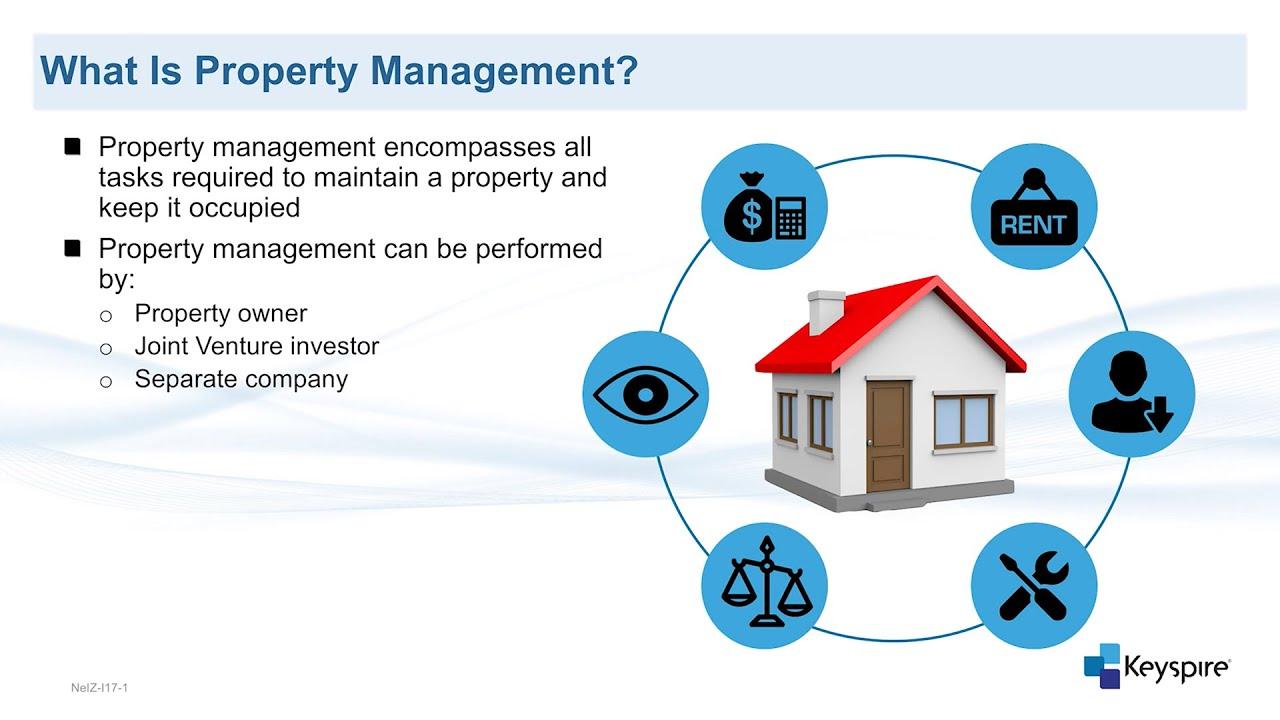
In the dynamic landscape of real estate, where market fluctuations and tenant expectations continuously evolve, the importance of effective property management cannot be overstated. As investors and landlords seek to maximize returns on their properties, a strategic approach to property management emerges as a critical factor in achieving long-term success. From optimizing operational efficiency to enhancing tenant satisfaction, property management serves as the backbone of the real estate industry, ensuring that properties are not only well-maintained but also positioned to thrive in a competitive marketplace. This article delves into the essential roles and responsibilities of property management, examining how its integral to driving profitability, sustaining asset value, and fostering healthy tenant relationships, ultimately contributing to overall real estate success.
Table of Contents
- Strategic Tenant Relations and Retention for Long-Term Success
- Implementing Effective Maintenance Practices to Enhance Property Value
- Utilizing Technology in Property Management for Streamlined Operations
- Financial Management and Reporting: Key Metrics for Real Estate Performance
- Insights and Conclusions
Strategic Tenant Relations and Retention for Long-Term Success
Building and maintaining robust relationships with tenants is crucial for property management, substantially impacting retention rates and long-term success. Engaging tenants goes beyond simple transactions; it involves fostering an environment where they feel valued and understood. Effective interaction is key, allowing property managers to address concerns promptly, provide updates, and gather feedback. This ongoing dialog creates a sense of community and encourages tenants to renew their leases rather then look for alternatives.To achieve this, property managers should consider implementing:
- Regular Satisfaction Surveys to measure tenant happiness.
- Community Events that bring tenants together and promote camaraderie.
- personalized Communication tailored to individual tenant needs and preferences.
Understanding the factors that influence tenant retention can greatly enhance property management strategies. By focusing on crucial elements such as maintenance responsiveness and lease incentives, property managers can significantly improve tenant experiences. regularly assessing and adjusting thes strategies ensures that properties remain competitive. Here’s a concise look at strategies that can strengthen tenant relations:
| Strategy | Description |
|---|---|
| Responsive maintenance | Quickly addressing repair requests to maintain tenant satisfaction. |
| Flexible Lease Options | Offering varied lease terms that accommodate different tenant needs. |
| Incentives for Renewals | Providing rent discounts or upgrades for renewing leases. |
Implementing Effective Maintenance Practices to Enhance Property Value
To maximize property value, implementing a robust maintenance strategy is paramount. Regular upkeep not only ensures the structural integrity of the property but also enhances its aesthetic appeal, making it more attractive to potential buyers or renters. Key practices include:
- Routine Inspections: Schedule regular check-ups to assess the condition of critical systems like plumbing, electrical, and HVAC.
- Seasonal Maintenance: Conduct seasonal tasks such as gutter cleaning, lawn care, and HVAC servicing to prevent larger issues down the line.
- Prompt Repairs: Address maintenance issues swiftly to avoid escalation, thereby protecting the property’s long-term value.
Furthermore, integrating technology into maintenance practices can streamline operations and enhance communication with tenants. Utilizing property management software allows managers to track maintenance requests, schedule service appointments, and maintain a detailed history of work performed.Key benefits of adopting such a system include:
| Benefit | Description |
|---|---|
| Increased Efficiency | Automated reminders and workflows enhance response times and reduce downtime. |
| Transparency | Tenants can access the status of their requests, fostering trust and satisfaction. |
| Data-Driven Decisions | Analyze maintenance trends to inform proactive strategies and budgeting. |
Utilizing Technology in Property Management for Streamlined Operations
In today’s fast-paced real estate market, leveraging technology is vital for property management to achieve efficiency and effectiveness. By adopting modern property management software,managers can automate a variety of tasks such as tenant communication,lease management,and maintenance requests. This technology not only enhances the tenant experience by providing a seamless interface for reporting issues and making payments but also allows property managers to focus on strategic initiatives. With tools that aggregate data, managers can perform insightful analysis to make informed decisions regarding property investments and enhancements.
Moreover, integrating smart home technology enriches the value proposition for property owners and tenants alike. Features such as smart locks, thermostats, and security cameras not only elevate living standards but also offer property managers real-time monitoring and control over their assets. The benefits are clear:
- Improved tenant retention: Enhanced convenience encourages longer leases.
- Operational cost savings: Efficiency leads to reduced labor and resource expenses.
- Data management: Streamlined processes and accessible data improve response times in critical situations.
| Technology | Benefit |
|---|---|
| Property Management software | Automation of daily tasks |
| Smart Home Devices | Enhanced tenant experience |
| Cloud Storage | Accessible data anytime, anywhere |
Financial management and Reporting: Key Metrics for Real estate Performance
Effective financial management and reporting can significantly elevate a property’s profitability and overall success in the competitive real estate landscape. Monitoring key performance metrics is crucial, as they provide insights into operational efficiency and financial health. Some of these metrics include:
- Net Operating Income (NOI): A measure of a property’s income after operating expenses are deducted.
- Capitalization Rate (Cap Rate): The rate of return on a real estate investment property based on the income that the property is expected to generate.
- Cash on Cash Return: A measure of the return on an investment based on the cash income earned relative to the cash invested.
- Occupancy rate: The percentage of available units that are currently rented or occupied.
Utilizing these metrics to create complete financial reports enables property managers to identify trends and make informed decisions.streamlined reporting allows for timely adjustments to maximize ROI. Below is an example of how financial metrics can be summarized for effective tracking:
| metric | Value | Notes |
|---|---|---|
| Net Operating Income | $200,000 | Reflects revenue after expenses. |
| Cap Rate | 8% | indicates strong performance. |
| Cash on Cash Return | 10% | Represents good cash flow. |
| Occupancy Rate | 95% | Stable market demand. |
Insights and Conclusions
the essential role of property management in the success of real estate investments cannot be overstated. Effective property management not only enhances the value of real estate assets but also fosters tenant satisfaction and retention. By implementing robust management practices, property managers play a crucial role in optimizing operational efficiency, ensuring compliance with regulations, and maximizing financial performance. As the real estate landscape continues to evolve, embracing a strategic approach to property management will be paramount for investors seeking sustained success in their portfolios. By prioritizing professional property management, stakeholders can safeguard their investments and streamline their path to achieving their real estate objectives.Investing in quality property management is not merely an operational decision; it is indeed a strategic imperative that drives long-term success in the dynamic world of real estate.