

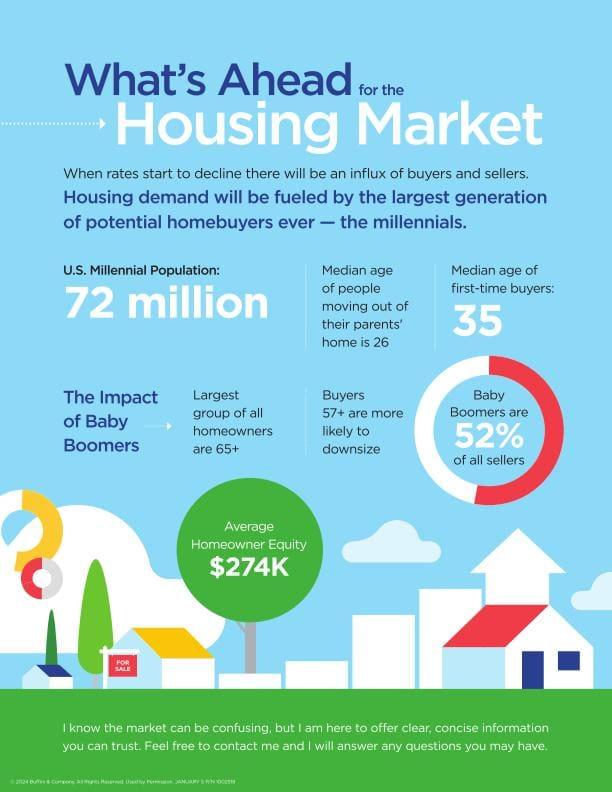
As we step into 2024, the housing market stands at a pivotal crossroads, grappling with the intertwined effects of economic recovery, shifting demographic preferences, and evolving governmental policies.This article endeavors to dissect the key trends shaping the real estate landscape, providing professionals and potential buyers with a nuanced understanding of what lies ahead. With interest rates stabilizing after a period of volatility, supply chain disruptions easing, and remote work redefining residential desirability, the dynamics of the housing market are poised for change. By examining emerging patterns in home pricing, buyer behavior, and investment opportunities, we aim to equip stakeholders with the insights necessary to navigate the complexities of the forthcoming year. Join us as we explore the critical factors that will influence the housing market in 2024, offering informed predictions and strategic guidance for those looking to make their mark in this ever-evolving sector.
Table of Contents
- Emerging Market Trends shaping the 2024 Housing Landscape
- Impact of Rising Interest Rates on Home Affordability and Demand
- Shifts in Buyer Preferences: The Shift Toward Sustainable and Smart Homes
- Strategic Recommendations for Investors and Homebuyers in a Dynamic Market
- To Conclude
Emerging market Trends Shaping the 2024 Housing Landscape
as we move into 2024, several emerging market trends are beginning to shape the housing landscape, driven by shifting demographic preferences and advances in technology. One of the moast meaningful shifts is the increasing demand for sustainable and energy-efficient homes, as consumers become more environmentally conscious.This trend is evidenced by a rising interest in green building certifications and the integration of smart technology that not only enhances the living experience but also reduces the carbon footprint.Key factors contributing to this trend include:
- Government Incentives: Numerous local and federal programs offer tax credits and rebates for energy-efficient upgrades.
- Consumer Preference: Homebuyers are actively seeking properties that align with their values towards sustainability.
- Technology integration: Innovations such as solar panels, smart thermostats, and energy-efficient appliances are becoming standard features.
Another noteworthy trend is the evolution of urban living, where urbanites are increasingly drawn to mixed-use developments that foster a sense of community while providing convenient access to amenities. This shift can be attributed to the aftereffects of the pandemic,which highlighted the importance of walkable neighborhoods and local resources. The characteristics of these new developments include:
| Feature | Description |
|---|---|
| Walkability | Proximity to essential services, reducing the need for cars. |
| Community Spaces | Public parks and communal areas encourage social interaction. |
| Mixed-Use Design | Residential, commercial, and recreational spaces integrated in one area. |
impact of Rising Interest Rates on Home Affordability and Demand
The impact of rising interest rates is profoundly reshaping the landscape of home affordability.As rates climb, buyers find their purchasing power diminished, often leading to a reconsideration of budget constraints and home choices. Consequently, potential homebuyers may have to adjust their expectations or even postpone their buying plans altogether. The following factors contribute to this shift:
- Increased Monthly Payments: Higher interest rates lead to elevated mortgage costs, significantly increasing monthly payments.
- Reduced Loan Amounts: Buyers may qualify for smaller loan amounts, limiting their options to lower-priced homes.
- Market Hesitation: Uncertainty regarding future rate hikes can trigger caution among potential buyers, further dampening demand.
The declining affordability metrics are manifesting in homebuyer demand as well. Governments and financial institutions may respond to rising rates with policy changes aimed at revitalizing the market, but it remains to be seen how effective these measures will be. Current trends suggest a potential slowdown in home sales, with many opting to wait for more favorable conditions. The following table highlights the correlation between interest rate changes and median home prices:
| Year | average Interest Rate (%) | Median Home Price ($) |
|---|---|---|
| 2022 | 3.25 | 350,000 |
| 2023 | 5.00 | 370,000 |
| 2024 (Projected) | 6.50 | 380,000 |
Shifts in Buyer Preferences: The Shift Toward Sustainable and Smart Homes
The housing market is witnessing a seismic shift as an increasing number of buyers prioritize sustainability and smart technology in their home purchases. Factors such as climate change awareness and the rising cost of energy have compelled potential homeowners to consider properties that minimize environmental impact. These trends are driving builders and developers to integrate eco-friendly features and smart home technologies, catering to the growing demographic of environmentally conscious buyers. Key elements that contribute to this preference include:
- energy Efficiency: Homes equipped with energy-efficient appliances and smart thermostats are more attractive to buyers.
- Renewable Energy Sources: Properties with solar panels or access to renewable energy options stand out from the competition.
- Smart Home Integration: Features such as smart security systems, automated lighting, and energy monitoring tools are becoming essentials.
To further illustrate the shift in buyer preferences, consider the following table showcasing the importance of various sustainable features for prospective buyers:
| Feature | Percentage of Buyers Interested (%) |
|---|---|
| Energy-efficient Windows | 73 |
| Smart Thermostats | 65 |
| Solar Energy Systems | 58 |
| Water Conservation Systems | 50 |
This data underscores how significantly buyer preferences are shifting towards homes that not only offer modern conveniences but also demonstrate social and environmental responsibility. As we move further into 2024, it is evident that the demand for sustainable and smart homes will continue to define the market landscape, urging stakeholders to adapt to these evolving consumer expectations.
Strategic Recommendations for Investors and Homebuyers in a Dynamic Market
In this evolving housing landscape, both investors and homebuyers must adopt agile strategies to navigate potential fluctuations and capitalize on emerging opportunities. Investors should focus on properties in areas with strong job growth and infrastructure development, as these tend to maintain values and appreciate over time. Moreover, it may be prudent to consider diversifying portfolios by including rental properties, which can provide steady cash flow in uncertain times. Additionally, exploring partnerships or joint ventures can spread risks while tapping into shared expertise and resources.
For homebuyers, understanding timing and market sentiment is key. Engaging with local real estate agents can provide invaluable insights into neighborhood trends and help in identifying properties poised for value increase. Furthermore, potential buyers should consider the merits of waiting for the peak season when inventory is more abundant, as this can provide better negotiating power. To facilitate informed decision-making, here’s a brief overview of critical factors to evaluate:
| Factor | Considerations |
|---|---|
| Interest Rates | Monitor trends, consult financial advisors, and secure pre-approval to lock in favorable rates. |
| Local Market Trends | Analyze historical data and future growth projections for targeted areas. |
| Investment Purpose | Define whether the property is for personal use, rental income, or flipping potential. |
To Conclude
the 2024 housing market outlook presents a complex tapestry of trends and predictions, shaped by various economic, social, and technological factors. The prolongation of high-interest rates, evolving demographic preferences, and the ongoing shift toward remote work arrangements are likely to redefine buyer behavior and housing demand across diverse regions. While challenges such as affordability and inventory shortages remain prevalent, emerging solutions in construction and financing could offer viable pathways for both buyers and sellers.
As we navigate through 2024, various stakeholders—from policymakers to real estate professionals—must remain agile and informed, adapting strategies to leverage opportunities while mitigating risks. Watching key indicators such as consumer sentiment, inflation rates, and employment statistics will be essential for understanding market dynamics. Ultimately, the decisions made today will have lasting implications, influencing not just the housing sector, but the broader economy as well. Staying attuned to these evolving trends will be crucial for anyone engaged in the housing market, ensuring they are prepared for both challenges and opportunities that lie ahead.