

Introduction
In the dynamic world of real estate, transactions often come with their fair share of complexities and uncertainties. Disputes can arise for a myriad of reasons, including misunderstandings over contract terms, differing expectations, or unforeseen circumstances that affect the parties involved. Navigating these conflicts requires not only a thorough understanding of the legal landscape but also a commitment to constructive dialogue and resolution. This article aims to provide comprehensive guidelines for resolving real estate contract disputes, offering practical insights and strategies for both buyers and sellers. By equipping parties with the necessary tools to address their conflicts amicably and efficiently, we hope to foster a more harmonious environment in real estate dealings, ultimately benefiting all stakeholders involved.
Table of Contents
- Understanding the Common Causes of Real Estate Contract Disputes
- Effective Communication Strategies to Mitigate Disputes
- Exploring Alternative Dispute Resolution Methods
- Best Practices for Documenting and Formalizing Resolutions
- In Conclusion
Understanding the Common Causes of Real Estate Contract Disputes
Real estate contract disputes often stem from a variety of misunderstandings and oversights that may occur during a transaction. One common cause is ambiguous language within the contract itself, which can lead to differing interpretations by the parties involved. Additionally, failure to disclose material facts, such as structural issues or zoning limitations, can create conflict between buyers and sellers. Other frequent sources of dispute include:
- Unclear contingencies: Conditions that must be met for the contract to remain valid may not be explicitly defined.
- Timing issues: Delays in closing or fulfilling contractual obligations can lead to frustration and arguments.
- Financial disagreements: Disputes may arise from miscalculations regarding deposits, closing costs, or financing terms.
Moreover, changes in market conditions can also provoke disputes, particularly if property values fluctuate significantly between the signing of the contract and the closing date. Another contributing factor is interactions with real estate agents or third parties, which can sometimes lead to miscommunication or misinformation. Understanding these common causes is essential for both buyers and sellers, enabling them to navigate the complexities of real estate transactions more effectively.
| Cause of Dispute | Description |
|---|---|
| Ambiguous Language | Unclear terms that can be interpreted differently. |
| Non-Disclosure | Failure to mention significant property issues. |
| Delays | Holds up the contract execution process. |
| Financial Misunderstandings | Disagreements over financial terms and obligations. |
Effective Communication Strategies to Mitigate Disputes
In the realm of real estate, effective communication plays a crucial role in resolving disputes. Parties involved should prioritize active listening to understand differing perspectives fully. Techniques such as reiterating or paraphrasing what the other party has said can foster a respectful dialogue. Additionally, using neutral language helps to reduce defensiveness and allow for open discussion. Other strategies include:
- Regular Updates: Keeping all parties updated on progress can prevent misunderstandings.
- Clear Documentation: Ensure all communications are documented to provide a reference point for discussions.
- Non-Verbal Cues: Being mindful of body language and facial expressions can convey empathy and commitment to resolution.
It’s also essential to establish a structured framework for conflict resolution. Implementing a step-by-step approach can guide discussions effectively. Below is a straightforward overview of a resolution framework:
| Step | Description |
|---|---|
| Identify the Issue | Clarify the points of contention and concerns from all parties. |
| Discuss Solutions | Encourage all parties to propose potential solutions collaboratively. |
| Agree on Actions | Come to a consensus on the steps each party will take moving forward. |
| Follow-Up | Schedule a follow-up meeting to ensure adherence and address any new issues. |
Exploring Alternative Dispute Resolution Methods
Alternative dispute resolution (ADR) methods have gained increasing popularity in the realm of real estate due to their potential to save time, reduce costs, and minimize adversarial conflict. Mediation and arbitration are two prominent ADR approaches that facilitate the resolution of contract disputes effectively. In mediation, a neutral mediator assists both parties in negotiating a mutually agreeable solution, fostering open communication and collaboration. On the other hand, arbitration involves a third-party arbitrator who renders a binding decision based on the evidence presented. Both methods can be tailored to fit the specific needs of the parties involved, promoting a more amicable resolution process.
The choice of an ADR method often hinges on several factors, including the complexity of the dispute, the relationship between the parties, and the desired level of formality. Below are some considerations for selecting the most suitable ADR approach:
- Cost: Evaluate the expenses associated with each method, including fees for mediators or arbitrators.
- Time efficiency: Consider the expected timeline for resolution, as mediation often allows for quicker outcomes.
- Relationship impact: Assess how the chosen method will affect the ongoing relationship between the parties post-dispute.
- Confidentiality: Review the privacy levels provided by each method, as mediation typically ensures more confidentiality.
Best Practices for Documenting and Formalizing Resolutions
Documenting and formalizing resolutions in real estate contract disputes is essential for clarity and accountability. Ensuring that all parties understand the agreed terms can help prevent future misunderstandings. When resolving disputes, consider the following best practices:
- Comprehensive Written Agreement: Always draft a detailed written agreement that outlines the specific terms of the resolution, including obligations, deadlines, and responsibilities.
- Involve Legal Counsel: Consult with a real estate attorney to ensure that the documentation is legally binding and compliant with local laws.
- Maintain Open Communication: Regularly update all parties on progress and changes to ensure transparency and foster trust.
- Use Clear Language: Avoid jargon and legalese; use clear and concise language to ensure that all parties can easily understand the agreement.
Implementing a structured approach to documentation may also involve using tables to summarize critical information, which can enhance clarity. Below is a simple example:
| Item | Description | Deadline |
|---|---|---|
| Payment Adjustment | Adjustment of payment terms according to mutually agreed resolution. | 30 days from the date of agreement. |
| Property Inspection | Scheduled re-inspection of property to ensure compliance with agreement. | Within 14 days of payment adjustment. |
In Conclusion
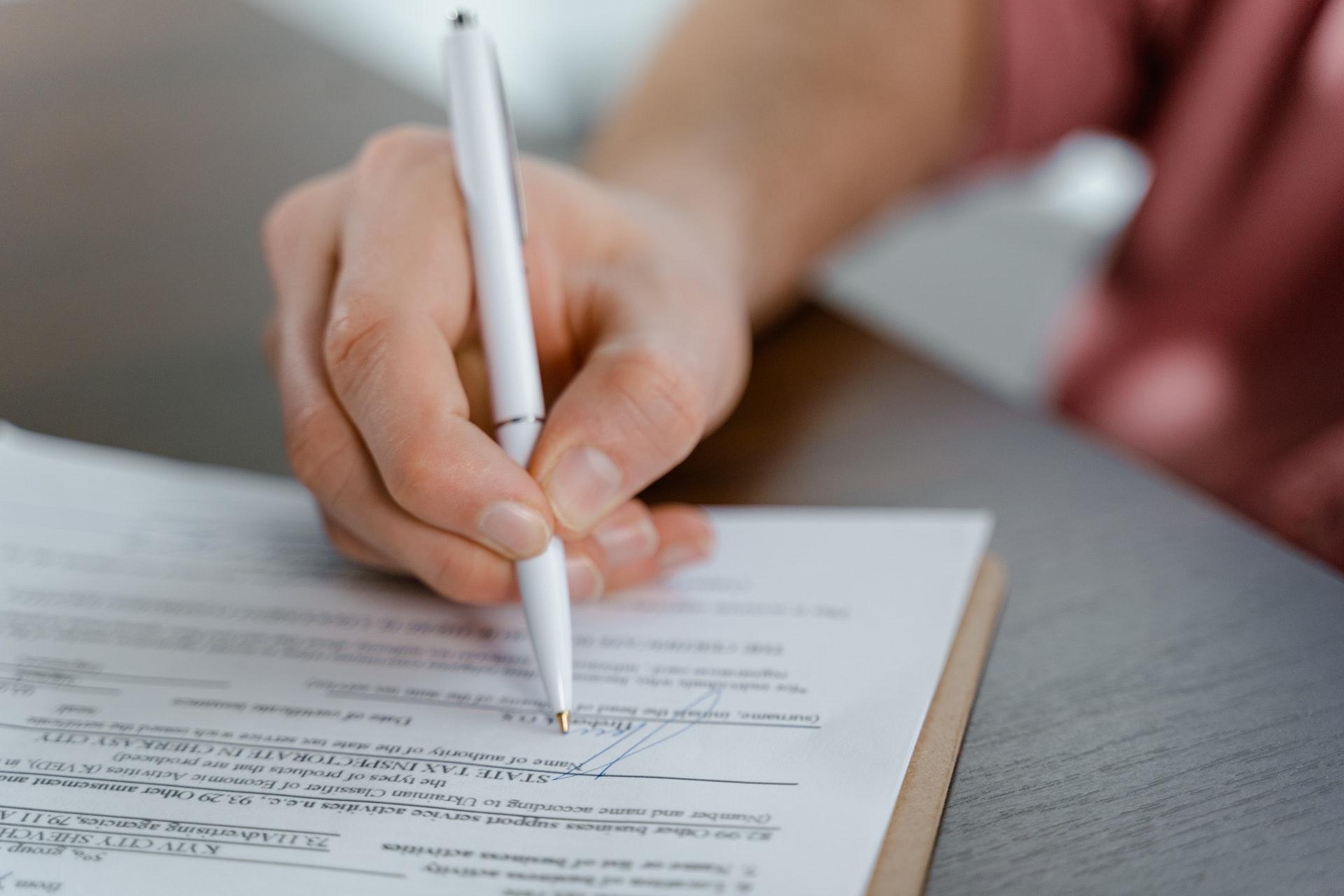
navigating real estate contract disputes can be a complex and challenging process. However, by adhering to the guidelines outlined in this article, parties can approach conflicts with a strategic mindset and a clear framework for resolution. Whether through negotiation, mediation, or, when necessary, legal action, understanding the intricacies of contract law and maintaining open lines of communication can lead to more favorable outcomes and preserve valuable relationships.
It is crucial for all parties involved to remain informed about their rights and responsibilities, as well as to seek professional advice when needed. By fostering a cooperative spirit and prioritizing mutual understanding, individuals can mitigate the emotional and financial toll that disputes often incur. We hope this article serves as a helpful resource in your efforts to manage and resolve any real estate contract disputes that may arise. Thank you for your attention, and we wish you the best in all your real estate endeavors.