

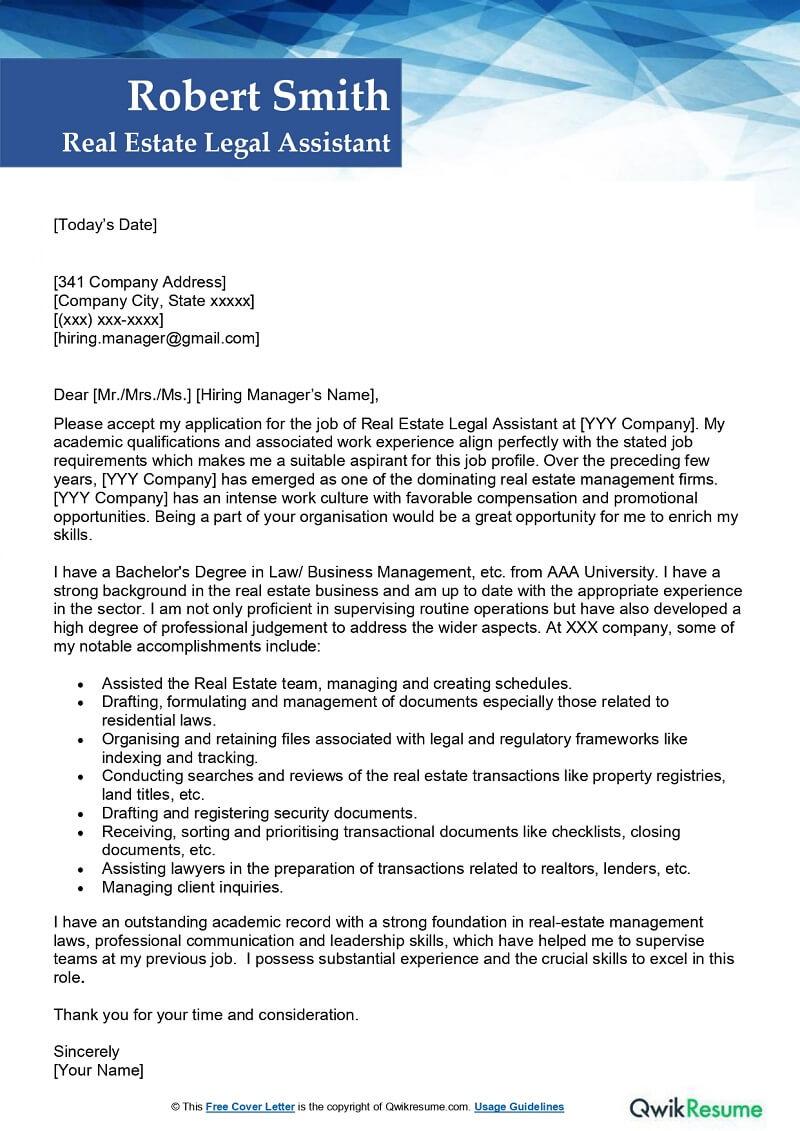
In the intricate world of real estate transactions, the contributions of various professionals are vital to ensuring smooth operations and successful outcomes. Among these essential players is the real estate legal assistant, a role that merges legal expertise with administrative efficiency. This article seeks to elucidate the responsibilities and significance of real estate legal assistants, shedding light on their pivotal role in supporting attorneys and clients alike. By examining their functions, skills, and the impact they have on the real estate industry, we aim to provide a comprehensive understanding of why legal assistants are indispensable to the effective practice of real estate law. Whether you are considering a career in this field or simply wish to gain insight into the workings of real estate transactions, this exploration will offer valuable perspectives on the diverse contributions made by these dedicated professionals.
Table of Contents
- Understanding the Essential Functions and Responsibilities of a Real Estate Legal Assistant
- Identifying Key Skills and Qualifications for Success in Real Estate Law
- Exploring the Interactions Between Real Estate Legal Assistants and Clients
- Best Practices for Enhancing Efficiency and Accuracy in Real Estate Legal Support
- Future Outlook
Understanding the Essential Functions and Responsibilities of a Real Estate Legal Assistant
In the fast-paced world of real estate, a legal assistant plays a pivotal role by supporting attorneys with a variety of essential tasks. Their responsibilities often encompass managing documentation, conducting research, and ensuring compliance with local, state, and federal laws. A legal assistant typically engages in the following activities:
- Preparing Legal Documents: Drafting contracts, agreements, and other necessary paperwork related to property transactions.
- Conducting Title Searches: Investigating property records to verify ownership and check for any liens or encumbrances.
- Facilitating Communication: Acting as a liaison between clients, realtors, and other legal entities to streamline transactions.
- Maintaining Files: Organizing and updating client files to ensure all documents are accurate and readily accessible.
In addition to these core tasks, legal assistants must possess strong analytical skills and a comprehensive understanding of real estate law. Their proficiency in various software programs aids in managing case files and calendars effectively. Here’s a quick overview of key skills and attributes:
| Skills/Attributes | Description |
|---|---|
| Attention to Detail | Ensures accuracy in documentation and compliance with regulations. |
| Communication Skills | Facilitates clear communication among clients and legal professionals. |
| Organizational Skills | Manages multiple tasks and deadlines efficiently. |
| Technical Proficiency | Utilizes software tools for documentation and case management. |
Identifying Key Skills and Qualifications for Success in Real Estate Law
To excel as a real estate legal assistant, mastery of specific skills and qualifications is essential. A solid foundation in legal terminology and real estate laws is paramount, as these form the backbone of daily responsibilities. Additionally, proficiency in contract review, property transactions, and due diligence is invaluable, allowing for a deeper understanding of the complexities within real estate deals. Organizational skills are also critical, as the ability to manage large volumes of documents and schedules minimizes the risk of costly errors.
Possessing technical skills, such as familiarity with legal software and document management systems, enhances efficiency and accuracy in managing case files. Furthermore, strong communication skills are vital for interacting with clients, real estate agents, and other legal professionals. Below is a concise table highlighting some important skills and qualifications:
| Skill/Qualification | Description |
|---|---|
| Legal Knowledge | Understanding real estate laws and regulations. |
| Attention to Detail | Ensuring accuracy in document preparation and review. |
| Time Management | Effectively organizing tasks to meet deadlines. |
| Communication Skills | Engaging with clients and professionals clearly and professionally. |
Exploring the Interactions Between Real Estate Legal Assistants and Clients
In the realm of real estate transactions, the relationship between legal assistants and clients is pivotal for ensuring a seamless experience. Real estate legal assistants serve as the initial point of contact for clients, where they gather essential information and address preliminary inquiries. This interaction often requires them to explain complex legal terms and processes in a manner that is easily comprehensible. They take time to listen patiently to client concerns, vital for building trust and establishing a strong working relationship. The following elements highlight their key interactions:
- Client Communication: Regular updates regarding the progress of real estate transactions.
- Document Preparation: Assisting clients in understanding necessary paperwork.
- Problem Resolution: Addressing any concerns or issues that arise during the process.
The effectiveness of these interactions lays the groundwork for efficient legal procedures. A well-structured communication framework can significantly enhance client satisfaction and provide clarity on the complexities often involved in real estate deals. Legal assistants also play a crucial role in managing expectations, helping clients to navigate potential hiccups without undue stress. Below is a table illustrating common topics discussed during interactions:
| Interaction Topic | Purpose |
|---|---|
| Contract Details | Understanding terms and conditions related to property sales. |
| Closing Process | Explaining steps involved in finalizing the sale. |
| Title Issues | Discussing potential title disputes and how to resolve them. |
Best Practices for Enhancing Efficiency and Accuracy in Real Estate Legal Support
To enhance both efficiency and accuracy in real estate legal support, it is essential to establish systematic processes and leverage technology. Implementing a robust document management system can greatly streamline the organization and retrieval of critical documents. This includes maintaining a clear file-naming convention and categorizing documents effectively. Furthermore, utilizing legal software can help automate routine tasks such as drafting standard agreements and tracking deadlines, which minimizes the risk of errors and speeds up the workflow. In addition, regular training and updates on relevant laws and technology will ensure that team members remain informed and skilled in their roles.
Collaboration is another key practice that can lead to improved outcomes in real estate legal support. Fostering open lines of communication among team members, real estate agents, and clients not only promotes transparency but also reduces misunderstandings. Regular team meetings can be beneficial for discussing ongoing cases and sharing insights. Additionally, employing a checklist system for closing processes ensures that every detail is reviewed thoroughly, helping to mitigate potential issues. Below is a simple checklist that can aid in maintaining organization and compliance:
| Task | Status |
|---|---|
| Review purchase agreements | ✔️ Completed |
| Confirm title search | ❌ Pending |
| Collect all closing documents | ✔️ Completed |
| Schedule closing date | ✔️ Completed |
Future Outlook
the role of a real estate legal assistant is integral to the smooth functioning of real estate transactions and legal processes. By providing crucial support to attorneys and clients alike, these professionals not only enhance the efficiency of legal operations but also contribute significantly to the accuracy and effectiveness of the services delivered. As the complexity of real estate law continues to evolve, the expertise and commitment of real estate legal assistants will remain vital in navigating the intricate landscape of property transactions. Their attention to detail, strong organizational skills, and ability to communicate effectively serve as the backbone of the legal team, ultimately ensuring that clients receive the highest standard of service. As the demand for real estate transactions grows, so too does the importance of recognizing and valuing the contributions of those behind the scenes. Understanding the essential role of real estate legal assistants fosters a greater appreciation for the collaborative nature of the legal field and promotes an environment where all team members can thrive.